
 Mariama Hamani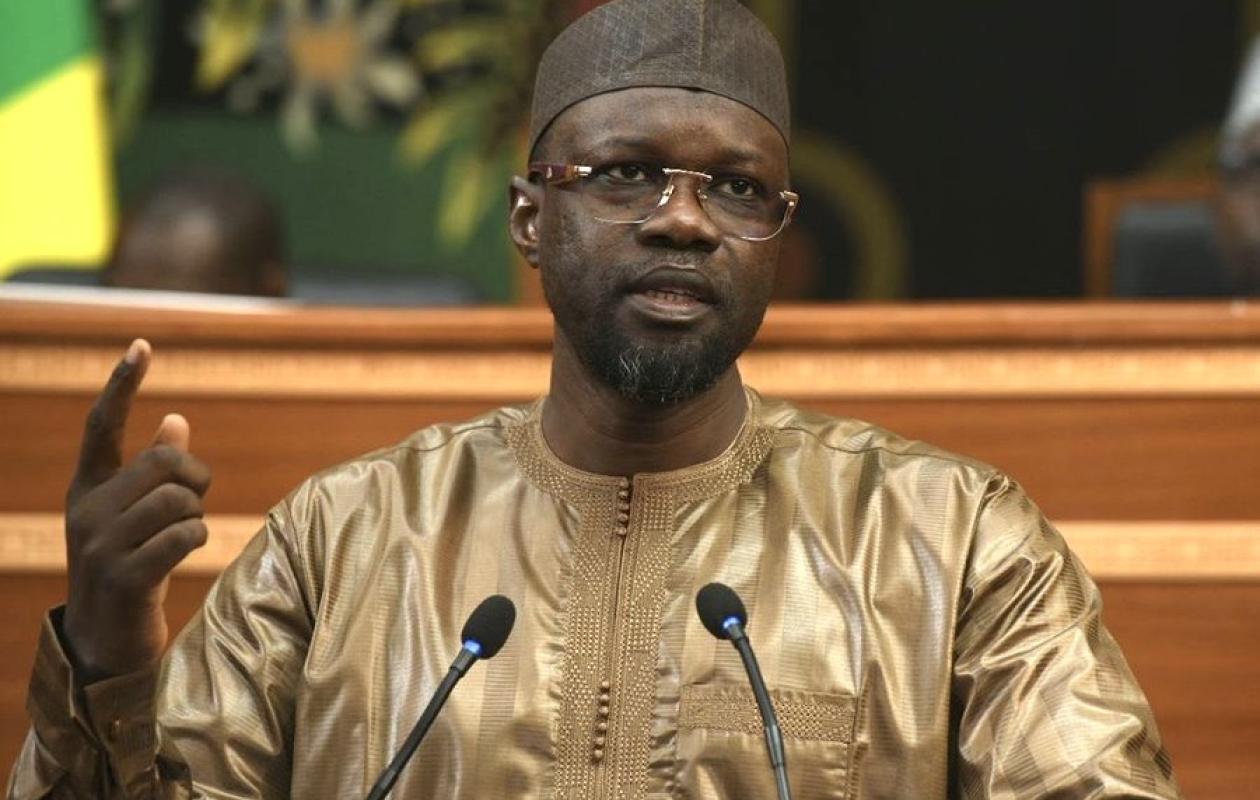
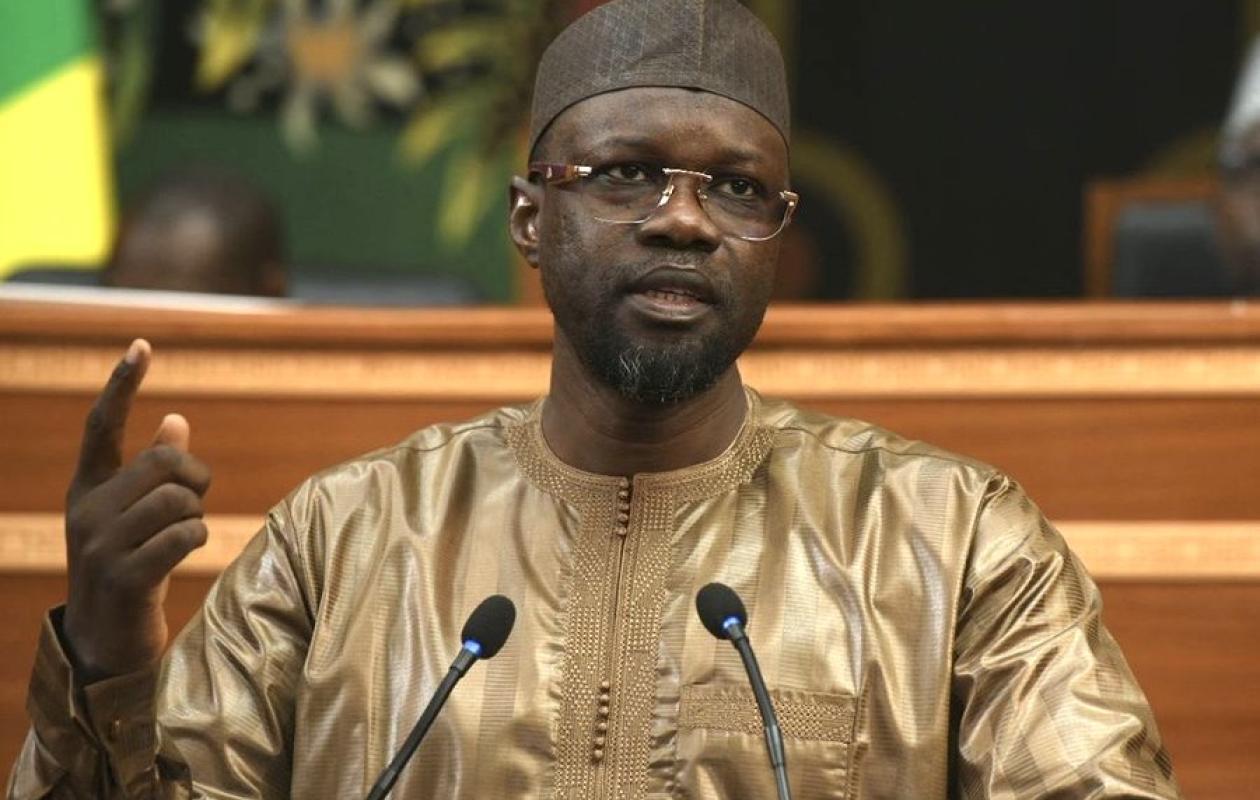
Senegal’s Prime Minister Ousmane Sonko has sounded the alarm about a potential surge in fuel prices, driven by mounting global instability. During a nationally televised address at the National Assembly, he highlighted the severe strain this could place on both public finances and the national economy, ultimately threatening the purchasing power of ordinary Senegalese citizens.
The warning comes as global oil markets face unprecedented volatility, exacerbated by escalating geopolitical tensions in the Middle East. Sonko emphasized that the initial budget projections, which assumed a much lower barrel price, are now obsolete—a reality forcing the government to reassess its financial strategies.
« We are navigating uncharted waters, » Sonko remarked during the session. « Many nations have already adjusted pump prices upward, and Senegal cannot remain insulated from these realities. » He stressed that the nation’s economic stability is at risk unless decisive measures are taken to mitigate the fallout.
Wider economic repercussions
The repercussions extend far beyond fuel costs. Insurance premiums for vessels transporting petroleum products from the Gulf have skyrocketed, adding another layer of financial pressure. Sonko warned that energy subsidies alone could balloon to over 1 trillion CFA francs—consuming a substantial portion of the national budget.
Balancing economic resilience with social protection remains a delicate challenge. While the government is committed to shielding citizens from the worst effects, Sonko cautioned that « no nation can indefinitely absorb external shocks without consequence. »
Rethinking agricultural subsidies
Amid these challenges, Sonko also addressed inefficiencies in agricultural subsidies, currently estimated at around 130 billion CFA francs. Poor targeting and mismanagement have undermined productivity, prompting plans to gradually shift funding toward mechanization and irrigation systems. The goal? To bolster year-round agricultural output and reduce dependency on volatile global markets.


 Boureima Amadou





