Mariama Hamani
Senegal’s political landscape in flux: new premier and legislative power struggle
Senegal is witnessing a pivotal moment in its political trajectory today. The nation’s leadership is undergoing significant reshuffling, with a new prime minister taking office and the National Assembly preparing to elect a new speaker. These changes are reshaping the balance of power within the country’s institutions.
a new architect at the helm: the technocrat premier
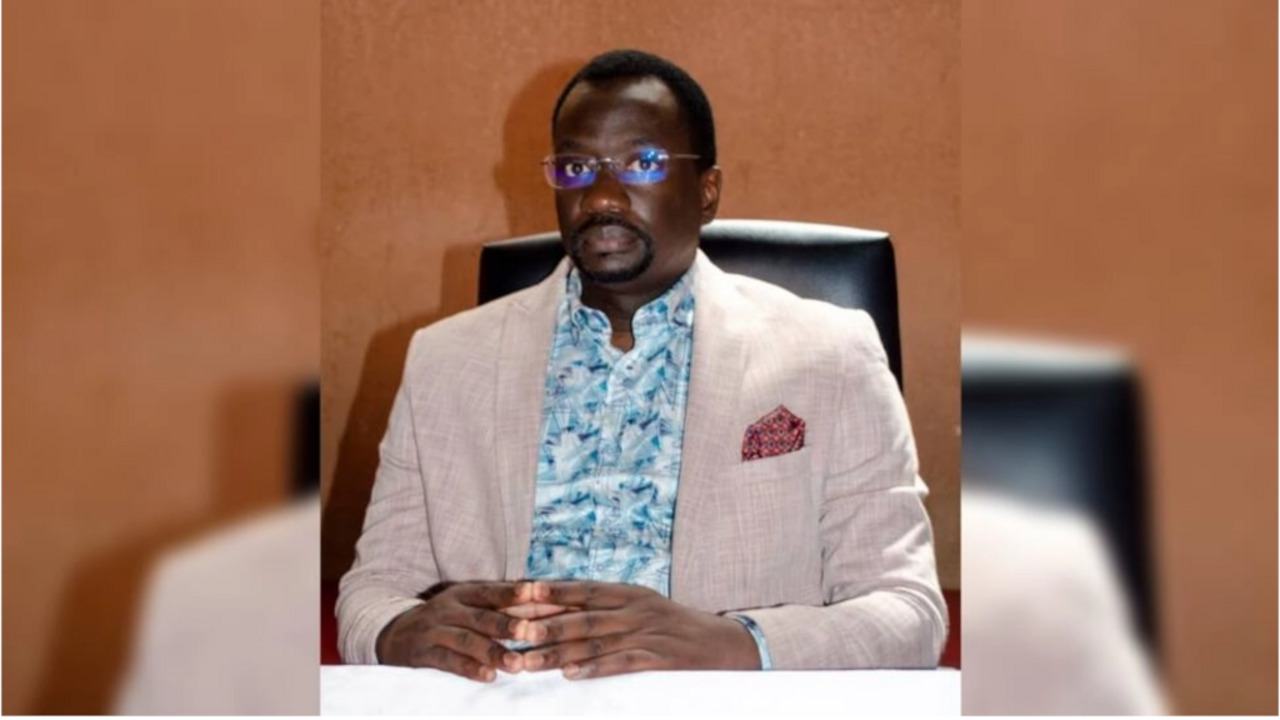
The appointment of Ahmadou Al Aminou Mohamed Lo as Prime Minister marks a deliberate shift toward technocratic governance. Previously serving as Minister of the National Agenda for Senegal 2050, Lo is widely regarded as a financial strategist, particularly skilled in navigating both domestic and international financial circuits. His expertise is seen as critical in addressing Senegal’s challenging budgetary environment while advancing its long-term development goals.
Analysts describe Lo as a master of macroeconomic policy, banking regulation, financial markets, and Islamic finance. His deep involvement in the government since the early days of the current administration underscores his central role in implementing the new governance framework.
legislative power play: Sonko’s potential rise to the speaker’s chair
As the National Assembly convenes today, all eyes are on the possibility of Ousmane Sonko reclaiming his seat as a deputy and potentially ascending to the presidency of the legislative body. The agenda includes his reintegration as a parliamentarian and the election of a new speaker—a session that could redefine the country’s institutional dynamics.
Sonko’s party, Pastef, holds a commanding majority of 130 out of 165 seats, a result of the November 2024 legislative elections. His potential return to the National Assembly would grant him a powerful platform to influence budgetary decisions, legislative inquiries, and reform agendas. However, legal uncertainties loom large. Critics argue that Senegalese law typically finalizes the replacement of a deputy by a substitute for the entire legislative term, raising questions about the feasibility of Sonko’s reintegration.
If Sonko’s reintegration is approved, Senegal could enter uncharted territory—a form of cohabitation where the President must work alongside a parliamentary majority loyal to his political rival. This scenario could set the stage for heightened political tensions and institutional gridlock.
the 2029 presidential horizon: ambition and uncertainty
The upcoming 2029 presidential election is already casting a long shadow over these developments. Sonko’s determination to secure the presidency appears stronger than ever, with his party pushing for electoral reforms that could remove obstacles that previously barred his candidacy. Yet, the question remains: will he exercise patience, or will he seek to accelerate the political timeline by reshaping the balance of power?
WalfQuotidien warns that such a scenario could destabilize the country. The newspaper highlights the risks of a confrontation between two competing legitimacies within the same political camp, which could plunge Senegal into a cycle of perpetual institutional conflict. Once hailed as a bastion of stability in a region plagued by crises, Senegal may now face a period of profound turbulence.
The formation of the new government will further test these dynamics. Will the cabinet be predominantly composed of Pastef members, or will it include loyalists of President Diomaye Faye without ties to the party? Speculation also swirls around the possibility of Faye dissolving the National Assembly, a move that could backfire if Pastef reclaims a majority, solidifying Sonko’s influence and potentially derailing Faye’s 2029 ambitions.
The coming hours will be decisive in shaping Senegal’s political future, with outcomes that could redefine the nation’s governance and stability for years to come.


 Boureima Amadou