Mariama Hamani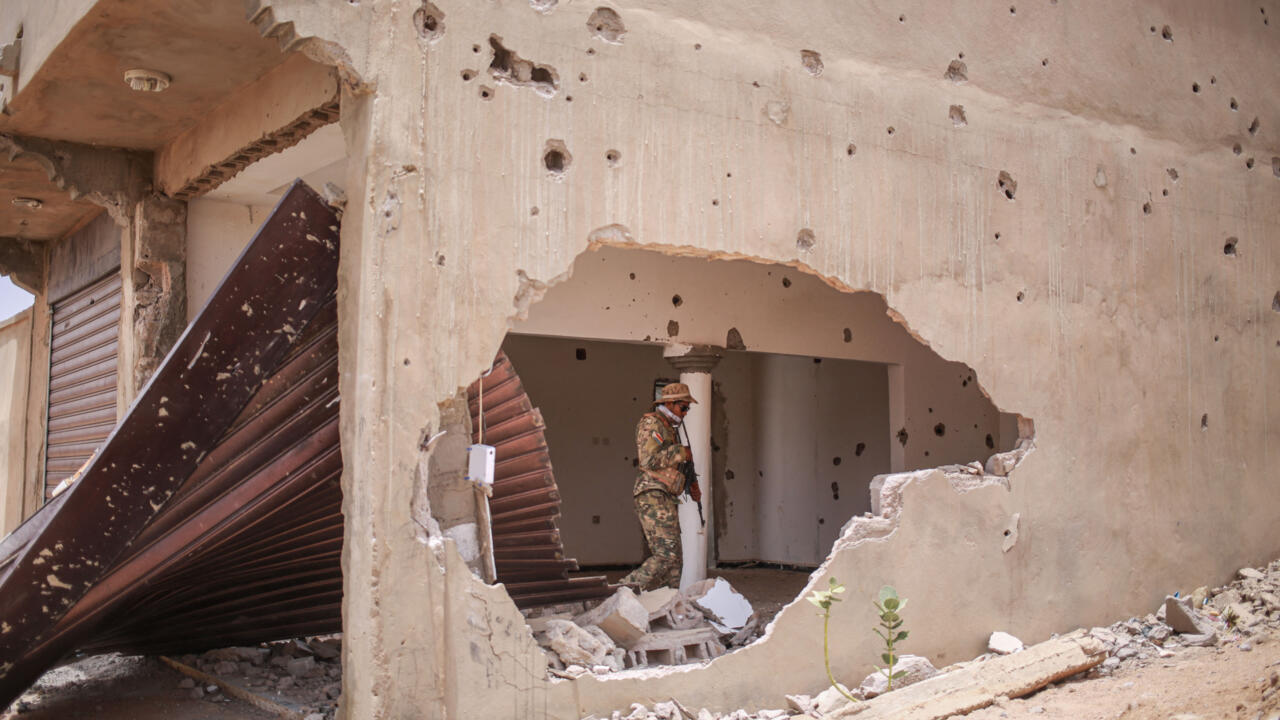
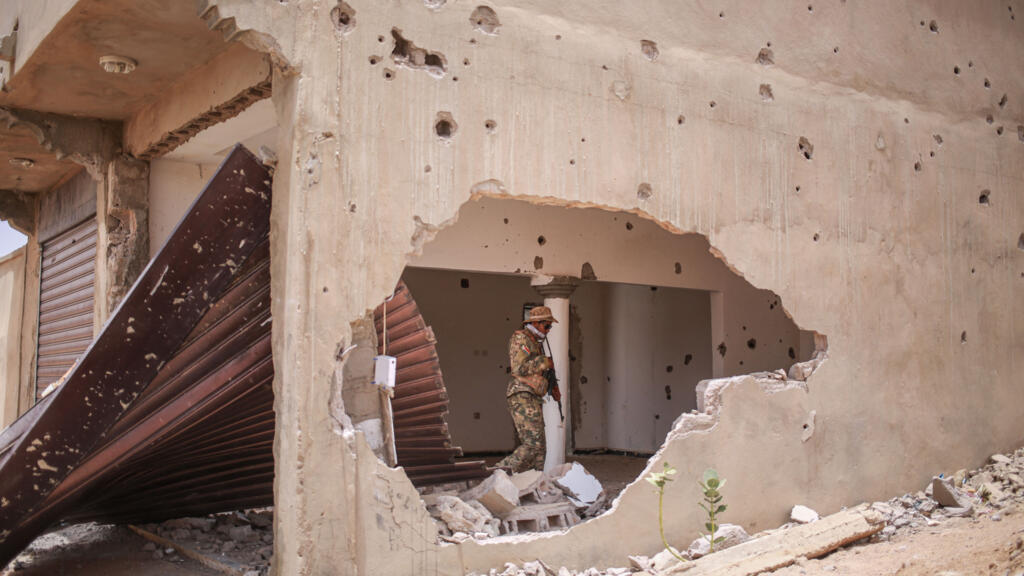
On April 25, coordinated attacks by jihadists from the Group for the Support of Islam and Muslims (JNIM, al-Qaeda affiliate) and separatists from the Azawad Liberation Front (FLA) left Mali facing one of its most severe security crises in recent years. The assaults resulted in the death of Defense Minister General Sadio Camara and saw armed groups seize control of Kidal in the North. These events have raised critical questions about Mali’s security strategy, particularly its reliance on external partnerships with Russia and the Alliance of Sahel States (AES).
Security partnerships under scrutiny after Kidal’s fall
Mali’s security model faces unprecedented challenges following the coordinated attacks on April 25. The seizure of Kidal, a strategic city in the North, and the loss of Defense Minister General Sadio Camara have exposed the fragility of the country’s security apparatus, particularly its reliance on external support. Bakary Sambe, Director of the Timbuktu Institute in Dakar, argues that the externalization of security through partnerships with Russia’s Africa Corps has failed to deliver the promised stability.
Sambe highlights the collapse of Wagner-Africa Corps’ strategy, symbolized by the chaotic withdrawal from Kidal and the death of General Camara. He notes that while Barkhane’s withdrawal left a security vacuum, the subsequent reliance on Russian mercenaries has proven equally ineffective against locally rooted insurgencies. The failure of the Africa Corps to hold ground in Kidal and Tessalit underscores the limitations of outsourcing national security to foreign actors.
Alliance of Sahel States’ solidarity tested
The attacks have also cast doubt on the effectiveness of the Alliance of Sahel States (AES), designed as a mutual defense pact. Despite the Liptako-Gourma Charter’s Article 5, which mandates solidarity in the face of aggression, neither Niger nor Burkina Faso provided military support to Mali. While Burkina Faso’s President Traoré condemned the attacks as a “monstrous conspiracy,” the lack of concrete action reveals the alliance’s inability to act as a cohesive defense bloc. Internal security concerns in Burkina Faso and Niger likely contributed to their reluctance to engage militarily.
Public opinion and regime resilience in the face of crisis
Contrary to expectations, the April 25 attacks have paradoxically strengthened public support for the transitional government led by General Assimi Goïta. Sambe describes this as a “rallying around the flag” effect, where the population unites behind the regime despite unmet security promises. This phenomenon, though temporary, has bolstered the government’s legitimacy, which now hinges almost entirely on its ability to restore security.
The attacks have drawn unsettling parallels to the 2012 crisis, when armed groups rapidly seized control of northern Mali. However, Sambe cautions that this temporary unity may not last, as the underlying security crisis remains unresolved. The regime’s survival depends on its ability to address the root causes of instability, rather than relying on external partnerships.
JNIM-FLA alliance: a tactical convergence or long-term threat?
The coordinated assaults have marked a significant escalation in the collaboration between the jihadist Group for the Support of Islam and Muslims (JNIM) and the separatist Azawad Liberation Front (FLA). While this alliance represents a new strategic constraint for Bamako, Sambe questions its durability. He describes the partnership as a “marriage of convenience” rather than a long-term coalition, driven by shared opposition to the Malian government and pragmatic interests such as illicit trafficking.
Divergent objectives pose a significant challenge to the alliance’s longevity. JNIM seeks the imposition of Sharia law, while the FLA advocates for Azawad’s autonomy. Additionally, the dominance of the Katiba Macina faction within JNIM raises doubts about its commitment to the FLA’s separatist goals. Without a shared political vision, the alliance is likely to remain fragile and short-lived.
Could this alliance evolve into a political force?
Sambe suggests that the JNIM-FLA alliance could serve as a catalyst for JNIM’s transformation into a more politically engaged movement. By collaborating with the FLA, JNIM may attempt to shed its image as an external threat and position itself as a national actor. This shift could potentially pave the way for future negotiations, offering JNIM a pathway to legitimize its demands through political engagement rather than violence.
The emergence of figures like Bina Diarra within JNIM further reinforces this narrative, signaling the group’s ambition to transition from a militant organization to a political force capable of influencing Mali’s future.
Dialogue as the only viable path forward
The escalating insurgency and the growing influence of jihadist groups have reignited debates about the necessity of dialogue with armed factions. While the Malian transitional authorities continue to prioritize a military response, opposition figures like Imam Dicko’s Coalition of Forces for the Republic (CFR) advocate for inclusive national dialogue. Sambe aligns with this perspective, emphasizing that dialogue is no longer optional but a necessity.
He argues that the jihadist threat has become deeply endogenous, with many fighters originating from local communities. The Malian people, he notes, are increasingly calling for the government to engage in dialogue with all factions, including those deemed irredeemable. This approach reflects a growing recognition that military solutions alone cannot resolve the crisis.


 Boureima Amadou