Mariama Hamani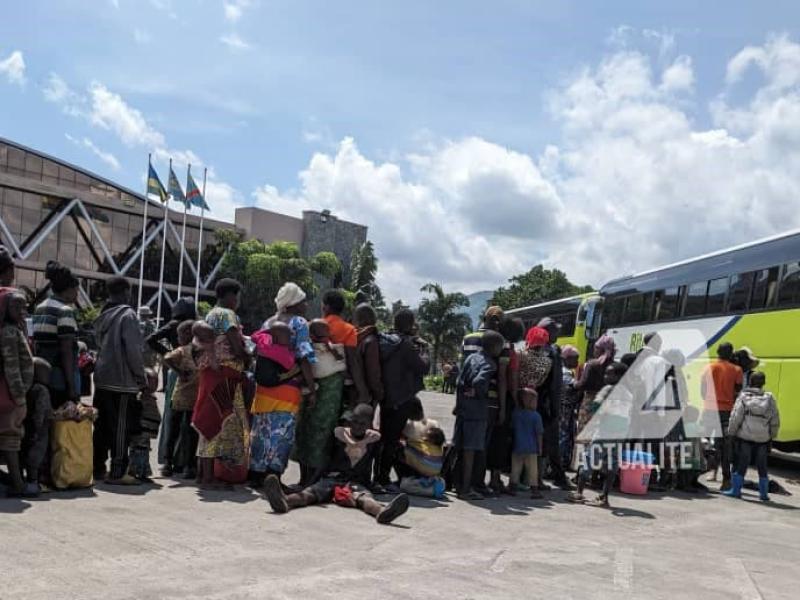
Rwanda refugees begin voluntary return from Democratic Republic of Congo
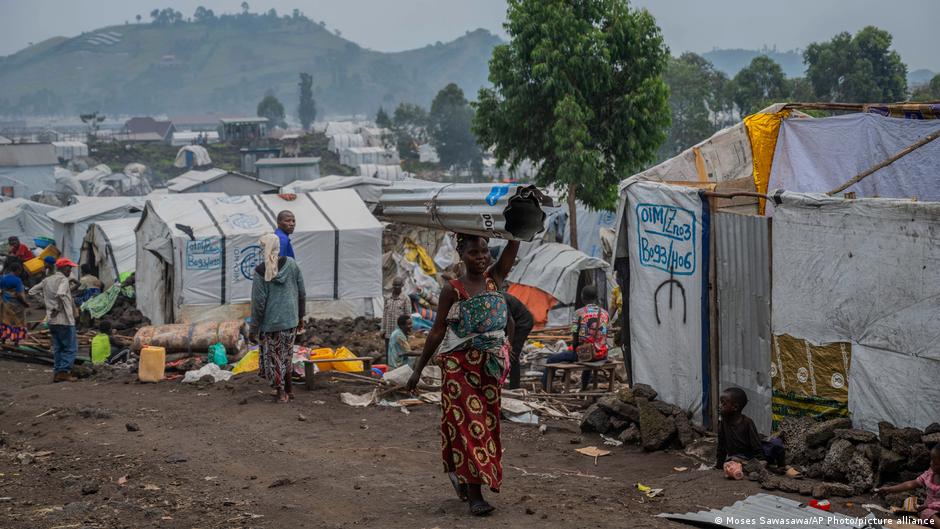
The Democratic Republic of Congo (DRC), Rwanda, and the United Nations High Commissioner for Refugees (UNHCR) have launched a renewed push to facilitate the voluntary repatriation of refugees, with a milestone already achieved in the process.
8,394 Rwandan refugees have successfully returned home from the DRC since the beginning of 2025, including 2,347 this year alone. This progress was confirmed during a high-level tripartite ministerial meeting held in Addis Ababa, Ethiopia, where officials from the three parties outlined ambitious plans to accelerate voluntary returns in the coming months.
a strong commitment to voluntary repatriation
The latest figures reflect a growing momentum in the repatriation initiative, which aims to ensure safe, dignified, and voluntary returns. According to the joint communiqué issued after the meeting, the three parties have set an ambitious target of 10,000 voluntary repatriations by 2026.
The discussions also highlighted the need to address the return of Congolese refugees currently living in Rwanda. While this aspect of the process has not yet been implemented, concrete steps have been agreed upon to move forward. Starting in October 2026, the DRC will identify priority return zones based on surveys of return intentions and information provided by Rwanda.
strengthening coordination and infrastructure
To ensure effective implementation, the three parties agreed to establish quarterly formal cross-border meetings, with the first scheduled for September 2026. These meetings will be held either in person or via videoconference to enhance coordination and support the voluntary repatriation process.
Additionally, the Kamanyola border crossing (South Kivu, DRC) – Bugarama (Rwanda) has been designated as a key point for facilitating the return of more than 3,600 Rwandan refugees currently dispersed across South Kivu. The DRC has committed to improving transit routes to ensure safe passage for returnees, while Rwanda will continue the voluntary repatriation process in line with regional health guidelines, including those related to Ebola prevention.
a renewed focus on durable solutions
The tripartite partners reaffirmed their confidence in the UNHCR’s role in addressing forced displacement and finding sustainable solutions. The meeting, held in accordance with the 2010 Tripartite Agreements on the voluntary repatriation of refugees, aligns with international principles, including the 1951 Refugee Convention, its 1967 Protocol, and the 1969 OAU Convention governing specific aspects of refugee issues in Africa.
The refugee issue has long been a point of contention between Kinshasa and Kigali, as well as between the Congolese government and the M23 rebel group. This topic has been integrated into peace discussions, including the Washington Accord and the Doha Process, both of which aim to address the challenges facing Eastern DRC. While these agreements have generated hope, tangible progress on the ground has been slow to materialize.
The latest developments signal a renewed commitment to resolving the refugee crisis through voluntary, safe, and dignified returns, with a clear roadmap for the coming years.

 Boureima Amadou