Boureima Amadou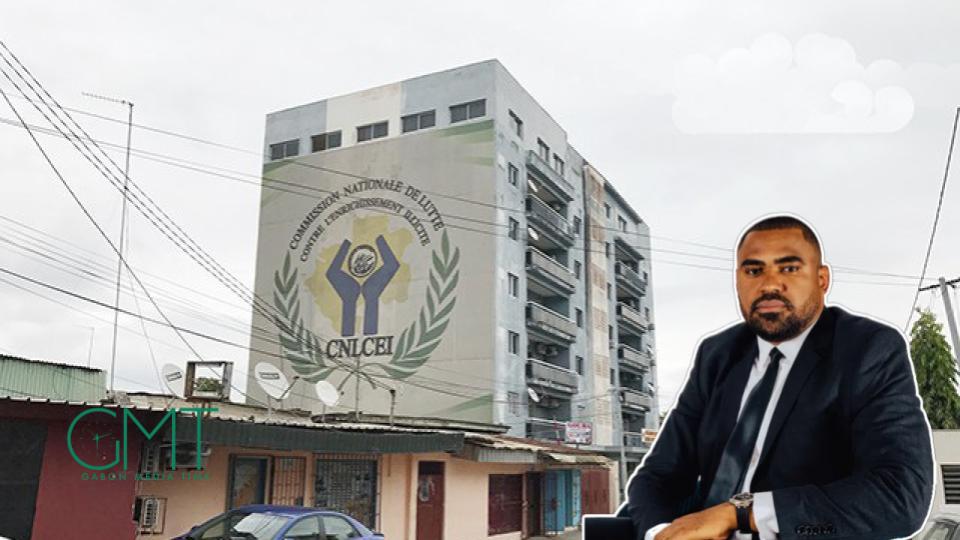
The upcoming visit of an international delegation to Libreville carries immense significance for Gabon’s fight against corruption. From June 29 to July 1, 2026, experts mandated by the United Nations Office on Drugs and Crime (UNODC) will assess the country’s systems for preventing corruption and recovering illicit assets. This evaluation, part of the second review cycle under the United Nations Convention Against Corruption (UNCAC), is not merely procedural—it is a pivotal moment for the nation.
Understanding the UNCAC second review cycle
The UNCAC, ratified by Gabon in 2007, establishes binding obligations in transparency, institutional oversight, whistleblower protection, and asset recovery. This peer-reviewed process—where fellow signatory states like Chad and Libya participate—examines compliance, highlights shortcomings, and provides actionable recommendations. Unlike the first cycle (2010-2015), which focused on criminalization and judicial cooperation, the second cycle prioritizes prevention and the recovery of stolen assets.
Progress and gaps in Gabon’s anti-corruption efforts
The National Commission Against Corruption and Illicit Enrichment (CNLCEI), established under the previous regime, has faced skepticism since Gabon’s transition. Despite expanded powers under new constitutional provisions, declarations of assets for public officials, and institutional reforms, tangible results remain elusive. Questions persist: How many illicit assets have been recovered? Who has been held accountable? The CNLCEI’s recent appointments, including two new rapporteurs sworn in February 2026, suggest renewal, yet concrete actions are still awaited.
Recent initiatives, such as the July 2025 ethical code workshop in Libreville and May 2026 governance symposium—supported by the International Organization of La Francophonie—indicate a commitment to aligning with international standards. However, governance cannot be measured by workshops or declarations alone. It requires verifiable reductions in corruption, sanctions against abuses, and public trust in institutions.
Structural weaknesses in the fight against corruption
While Gabon has taken steps—such as broader asset declaration requirements and inter-agministrative coordination—there is no cohesive national strategy. Existing tools operate in isolation, lacking integration, measurable benchmarks, or independent monitoring. At the UNODC’s 17th session in Vienna, Gabon’s delegation highlighted progress in administrative convergence and UNODC tool adoption. Yet, without a unified roadmap, these efforts risk remaining fragmented and ineffective.
The administrative culture in Gabon, long tolerant of conflicts of interest and direct awards in public procurement (as former Finance Minister openly acknowledged: “93.25% of contracts by value were awarded without competitive bidding”), continues to undermine progress. Gabon’s ranking in global corruption perception indices, though slightly improved, remains low. Weak oversight institutions, delayed justice for high-profile cases, and the absence of transparent mechanisms for recovering stolen assets abroad further expose the country’s vulnerabilities.
A moment for honest reflection
The UNODC mission is a chance for Gabon to demonstrate genuine cooperation. Transparency in exposing entrenched malpractices is essential—not only to meet international standards but to earn the trust of its citizens. The delegation’s visit is a positive signal, especially in a region where some states resist external scrutiny. Yet, openness alone is not a strategy. Gabon must now move from isolated reforms to a unified, results-driven approach to corruption.
As the evaluation begins, the question is clear: Is Gabon’s anti-corruption effort advancing, or is it merely going through the motions? The answers will define the country’s trajectory in the years ahead.