
 Mariama Hamani
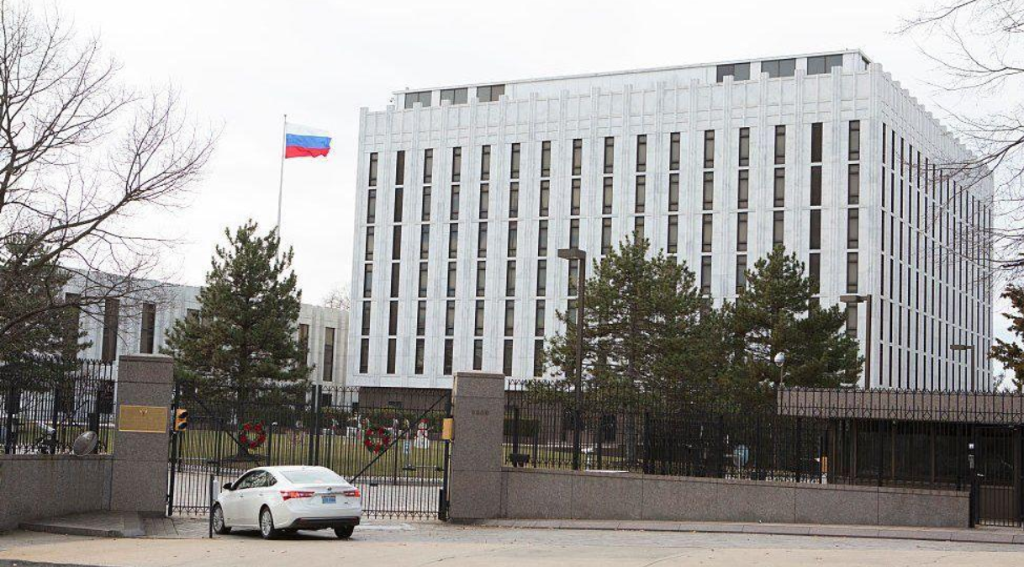
Russia Loses A Key Diplomatic Figure In Washington
The sudden death of Russia’s ambassador to the United States has sent shockwaves through international diplomatic circles, marking a critical turning point in Moscow’s efforts to maintain engagement with Washington amid escalating tensions. Alexandre Dartchiev, who had held the prestigious post since March 2025, passed away at the age of 66, as confirmed by Russia’s Ministry of Foreign Affairs. His death comes at a time when relations between the two nations remain strained by geopolitical conflicts and strategic rivalries.
From Ottawa To Washington: A Diplomat’s Legacy
Dartchiev was no ordinary envoy. With decades of experience in North American diplomacy, he played a pivotal role in shaping Russia’s approach to both the United States and Canada. Prior to his appointment in Washington, he served as Russia’s ambassador to Canada from 2014 to 2021, where he cultivated deep insights into American political and diplomatic dynamics. His tenure in Ottawa provided him with an unparalleled understanding of transatlantic relations—a skill set Moscow clearly valued when assigning him to its most critical diplomatic outpost.
His career within the Russian Foreign Ministry further solidified his expertise. Dartchiev had previously held key roles in departments overseeing relations with the United States and North America, making him one of the Kremlin’s most informed voices on bilateral matters at a time when dialogue remains fragile but essential.
Diplomatic Crisis: When A Strategist Falls
The timing of Dartchiev’s death could not be more consequential. His passing occurs against the backdrop of deepening mistrust between Moscow and Washington, where issues like the war in Ukraine, European security, sanctions, and arms control continue to drive a wedge between the two powers. Despite cautious diplomatic overtures from both sides, fundamental disagreements persist, leaving little room for compromise.
Dartchiev was not just a figurehead; he was a strategic asset. His presence in Washington was instrumental in keeping communication channels open, even as public rhetoric between the two governments grew increasingly hostile. His deep knowledge of American political machinery allowed him to navigate complex negotiations and advocate for Russia’s interests with precision—a role that will now require urgent reassessment.
Unanswered Questions Surround The Envoy’s Death
Initially, the Russian Foreign Ministry provided minimal details about Dartchiev’s passing, citing only a sudden illness. The lack of transparency fueled speculation and left many questions unanswered. Subsequent clarifications from Russian Foreign Ministry spokesperson Maria Zakharova confirmed that Dartchiev had died in Moscow due to an unspecified chronic illness, effectively dispelling rumors of foul play or diplomatic fouls.
While the official explanation offers closure on the nature of his death, it does little to ease concerns about the potential impact on Russia’s diplomatic operations in the U.S. capital. With no clear successor named immediately, the Kremlin faces the dual challenge of maintaining continuity while signaling its priorities in a rapidly evolving geopolitical landscape.
What Comes Next For Russia’s Washington Mission?
The absence of an ambassador leaves a significant gap in Russia’s diplomatic machinery. In the short term, acting leadership will likely take over to ensure the embassy’s daily functions continue without disruption. However, the long-term implications are far-reaching:
- Leadership Transition: The appointment of a new ambassador will be closely scrutinized, as it may reveal Moscow’s strategic intentions—whether it seeks rapprochement, confrontation, or cautious engagement with Washington.
- Diplomatic Momentum: Without Dartchiev’s seasoned guidance, negotiations on critical issues like arms control, sanctions relief, and regional security may face delays or missteps.
- Kremlin’s Messaging: The choice of successor could serve as a barometer for Russia’s willingness to re-engage with the U.S., especially as global power dynamics shift.
Why This Moment Matters For Global Diplomacy
Ambassadors are more than just diplomats; they are linchpins in international relations. Even in periods of severe strain, embassies serve as vital conduits for dialogue, negotiation, and crisis management. For Russia, the Washington embassy is not just another diplomatic mission—it is a lifeline to the most influential power on the global stage.
Dartchiev’s death forces a reckoning: Can Moscow sustain its diplomatic offensive in Washington without its most experienced operator? His loss is not merely personal; it is a strategic setback at a time when every move counts. As geopolitical tensions rise and the world watches, the Kremlin must now decide how to fill this void—quickly, wisely, and with a clear vision for the future of Russian-American relations.


 Boureima Amadou




