
 Boureima Amadou
Urban renewal’s dark side: how demolition projects left Libreville in the dark
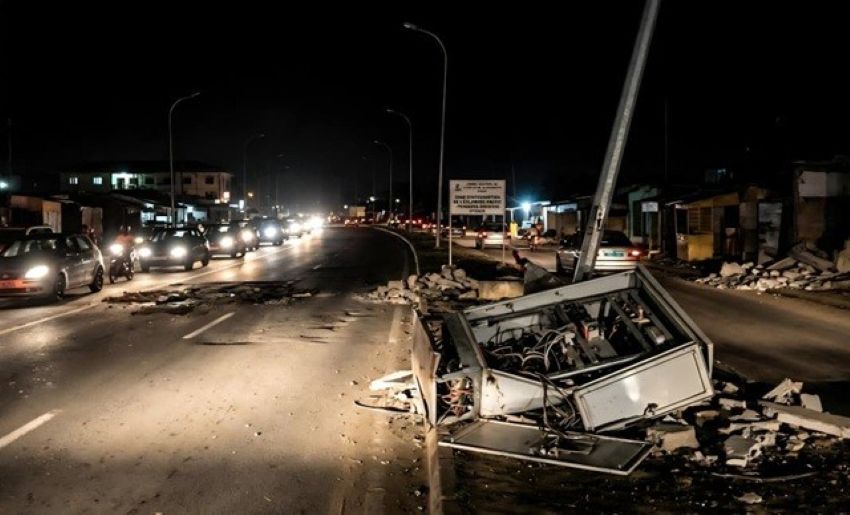
Libreville, 12 November 2026 — A single catastrophic failure in Libreville’s urban renewal operations has plunged multiple neighborhoods into darkness, sparking urgent questions about coordination between city planners and utility providers. The collapse of a critical electrical control panel—destroyed during recent demolition and eviction initiatives—has exposed gaping vulnerabilities in the capital’s infrastructure maintenance strategy.
From evictions to blackouts: the domino effect of poor planning
The consequences were immediate. The National Water and Electricity Council (CNEE) issued an urgent public advisory on 10 November, warning of a complete blackout along the Democracy Exchange to Charbonnages corridor. The incident originated from the demolition of a primary electrical cabinet that powered the entire public lighting system in the affected area.
Emergency response teams have since mobilized to assess the damage and develop a rapid restoration plan. Until repairs are completed, residents and commuters are advised to exercise extreme caution, particularly at night when the absence of streetlights significantly increases accident risks on the darkened thoroughfare.
The CNEE confirmed that technical crews are conducting emergency assessments to determine the extent of the damage and initiate reconstruction work. While no timeline for full restoration has been provided, officials emphasize that public safety remains the top priority.
Where urban renewal meets infrastructure neglect
The incident has raised serious concerns about the methodology employed in recent urban renewal projects. How could a demolition operation proceed without prior identification and protection of critical public utilities? More alarmingly, how could an essential component of the city’s transportation safety infrastructure be destroyed without consultation with the relevant authorities?
These questions point to a systemic failure in governance—a breakdown in the communication between urban planners, utility managers, and city officials responsible for maintaining essential services. The absence of robust coordination mechanisms has resulted in preventable damage to infrastructure that should have been preserved at all costs.
Costs beyond the immediate blackout
The repercussions extend far beyond temporary darkness. The incident has:
- Exposed residents to heightened security risks after dark
- Diverted technical resources from planned maintenance to emergency repairs
- Introduced unforeseen costs that could have been avoided with proper foresight
- Damaged public trust in ongoing urban development initiatives
Rebuilding more than infrastructure: reinventing urban governance
Urban renewal is meant to enhance safety, efficiency, and quality of life—not undermine it. The demolition of essential infrastructure during eviction operations represents a fundamental contradiction in these efforts.
The challenge now facing Libreville isn’t just restoring power to the affected neighborhoods. It’s implementing a governance framework that ensures urban transformation doesn’t come at the expense of the very services that make city life possible. Effective urban development requires:
- Systematic utility mapping before any demolition begins
- Cross-departmental coordination between urban planners, utility providers, and local authorities
- Protected infrastructure protocols that shield critical systems from accidental damage
- Transparent communication with residents about ongoing and future projects
Progress shouldn’t be measured solely by the number of buildings demolished or spaces cleared. True urban advancement is achieved when modernization proceeds hand in hand with preservation—ensuring that every improvement leaves the city safer, not more vulnerable.
Libreville’s path forward: learning from the blackout
The streetlight incident should serve as a wake-up call for all stakeholders involved in the city’s transformation. It’s an opportunity to examine the processes that allowed this failure to occur and implement systemic safeguards that will prevent future oversights.
Libreville stands at a crossroads. The choice is clear: either continue down a path where every new initiative risks undermining existing services, or adopt a more integrated approach where urban renewal and infrastructure preservation reinforce each other.
One thing is certain: the blackout has illuminated more than just urban renewal’s shortcomings. It has spotlighted the immediate need for better governance practices that protect both the city’s present needs and its future potential.



 Mariama Hamani



