Boureima Amadou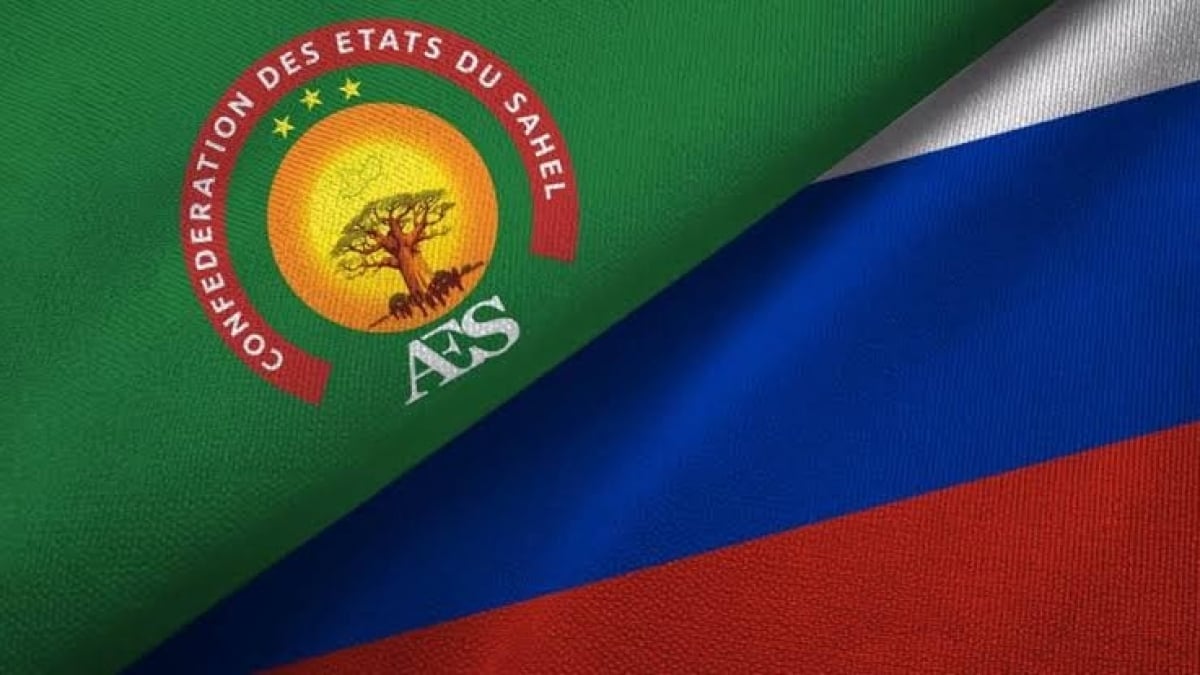
Russia is accelerating its military collaboration with the Alliance of Sahel States (AES), comprising Mali, Burkina Faso, and Niger. Following a high-level meeting in Niamey, the Russian Foreign Minister, Sergey Lavrov, and representatives from the AES reaffirmed their commitment to strengthening defense partnerships. The focus lies on combating extremist violence and addressing the region’s persistent security challenges.
Military cooperation at the heart of Russia’s Sahel strategy
The recent push for deeper military ties marks a significant shift in Russia’s engagement across the Sahel. Over the past years, Mali, Burkina Faso, and Niger have distanced themselves from traditional Western partners like France, opting instead for alternative alliances. This realignment has opened doors for Moscow to expand its influence through enhanced security cooperation.
The AES was formally established in September 2023 under a mutual defense treaty, evolving into a broader alliance aimed at political, economic, and defense integration. By early 2025, the three nations had withdrawn from the Economic Community of West African States (ECOWAS) and launched a joint military force of approximately 5,000 troops. This force is designed to bolster counterterrorism efforts and safeguard regional borders.
Russia’s evolving role in Africa’s security landscape
Moscow has significantly expanded its military footprint in the Sahel by deploying the Russian Army Corps in Africa. This new force replaces the previous role of the Wagner Group, a private military company, which had operated in several African countries. The move underscores Russia’s strategic intent to solidify its presence and influence in the region.
While military support may provide short-term gains in combating terrorism, analysts caution that it does not address the root causes of instability. Persistent issues such as poor governance, economic hardship, climate change, resource competition, and the proliferation of armed groups continue to fuel insecurity in the Sahel.


 Mariama Hamani