Boureima Amadou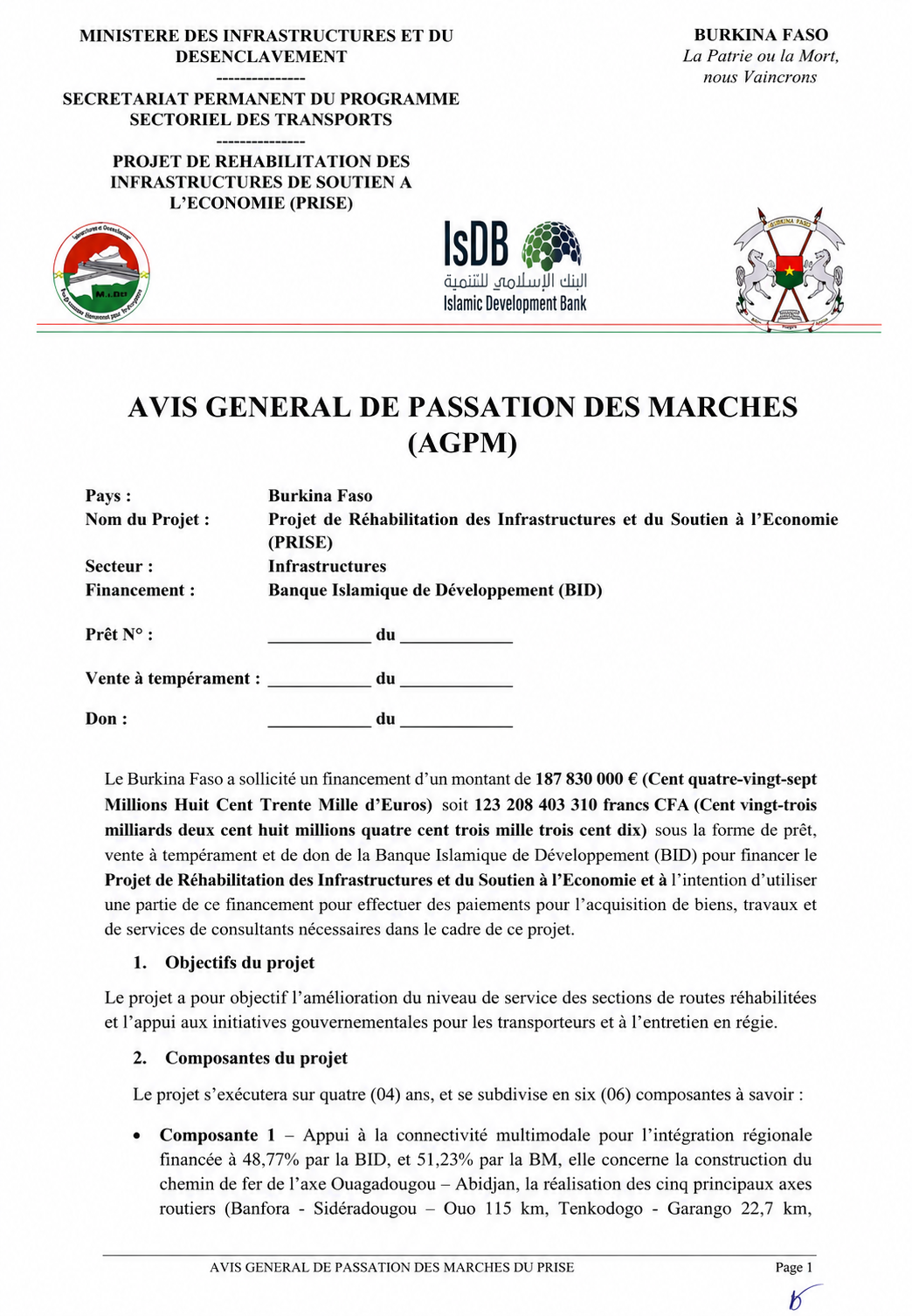
From Slogan to Fiscal Reality: The Contradiction in Burkina Faso’s Economic Narrative
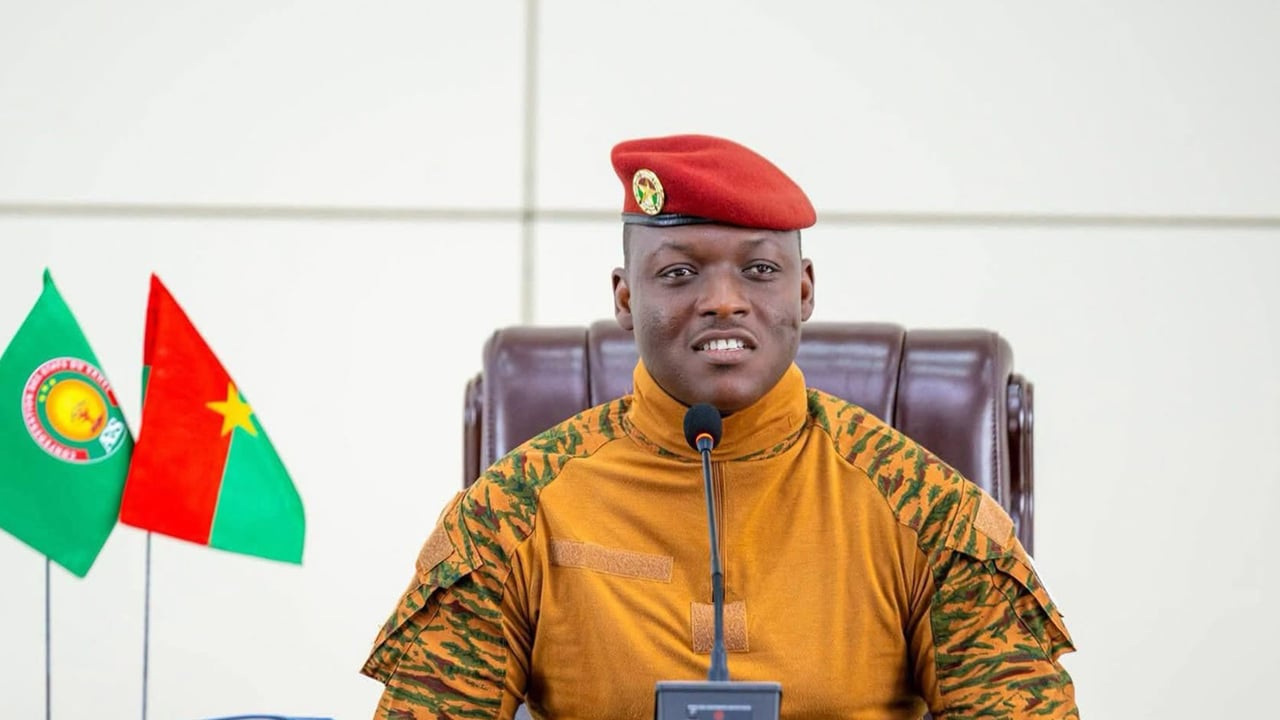
In Ouagadougou’s official discourse, the phrase « Y’a pas crédit dedans » has become the emblem of the military-led government’s push for economic sovereignty. Repeated endlessly across social media and echoed by regime supporters, the slogan claims that major projects—from road rehabilitation to state modernization—are funded entirely through domestic resources, with no reliance on foreign borrowing.
At first glance, the message is compelling: Burkina Faso is advancing under its own steam, free from the constraints of international lenders. Yet, beneath the political rhetoric lies a far more nuanced financial landscape.
Transparency Concerns Override the Bold Claims
Economic sovereignty is an unquestionably valid goal. Few would argue against reducing reliance on external partners, boosting domestic revenue collection, or strengthening national capacities. However, when every public investment is framed as self-funded, discrepancies emerge.
Official financial documents and bilateral agreements reveal a different story. Recent infrastructure projects, particularly roadworks, are being financed through concessionary loans and multilateral funding—resources that must be repaid over time. While these loans may offer favorable terms, they remain financial obligations inscribed in the national budget.
A Glaring Discrepancy Between Words and Actions
If the government insists that « there is no credit involved, » why do multiple high-profile initiatives depend on foreign financing? Borrowing is not inherently problematic; nations routinely leverage external funds to bridge budgetary gaps. The issue here lies in the mismatch between:
- a narrative of near-total financial independence;
- a reality where international partners remain deeply involved in funding.
This inconsistency fuels skepticism about the transparency of official communications.
Burkina Faso’s Economy: A Fragile Foundation for Self-Funding
Beyond the political posturing, Burkina Faso’s economic context makes large-scale self-financing highly improbable. The nation grapples with intertwined crises:
- an escalating security emergency draining public coffers;
- soaring military expenditures;
- strained public finances;
- urgent infrastructure needs;
- massive internal displacement of populations;
- declining tax revenues in key economic regions.
In this climate, financing multi-billion-franc investments without external support appears unrealistic to many economists.
The Real Issue Isn’t Debt—It’s Secrecy
Public borrowing is not inherently harmful. When strategically deployed, loans can fund productive infrastructure, enhance mobility, stimulate growth, or improve public services. The true debate centers on accountability.
Citizens deserve clarity on:
- the exact sources of project financing;
- loan amounts and repayment terms;
- interest rates and maturity schedules;
- guarantees attached to agreements;
- the total cost of initiatives.
Responsible governance hinges on transparent disclosure—not on slogans.
A Strategy Dressed in Nationalist Garb
The « Y’a pas crédit dedans » mantra serves a clear political purpose: reinforcing the image of a government breaking from past dependencies and framing every achievement as proof of renewed self-reliance. It also stokes national pride among supporters, particularly at a time when sovereignty dominates political discourse.
Yet when slogans eclipse fiscal clarity, the risk is fostering unrealistic expectations. The public may overestimate the state’s capacity to fund development without external help.
The Long Shadow of Today’s Choices
Every loan contracted today will be repaid tomorrow—through future tax revenues. While new infrastructure may benefit future generations, so too will the financial obligations it carries. That is why transparent debt reporting is not just a bureaucratic requirement; it is a democratic imperative.
Citizens must be able to judge whether borrowed funds are funneled into productive investments capable of generating enough wealth to cover repayment. Sovereignty is not measured by the absence of debt, but by the responsible management of it.
True Economic Sovereignty Lies in Responsible Governance
A nation’s strength is not defined by claims of zero borrowing, but by its ability to:
- sustainably manage public finances;
- invest wisely in long-term growth;
- publish clear, accessible budgets;
- subject its leadership to public scrutiny;
- use loans responsibly;
- reduce external dependence through a competitive economy.
In the end, a country’s credibility rests not on denial, but on transparency—and on using every financial tool at its disposal to build a sustainable future.
Conclusion: Beyond the Slogan, a Call for Fiscal Honesty
The « Y’a pas crédit dedans » refrain has left a mark. But sustainable economic policy cannot be built on catchphrases alone. The fact remains: Burkina Faso, like many developing nations, continues to rely on international partners to bankroll a portion of its development.
The real conversation should not pit borrowing against sovereignty, but focus on the quality of financial governance, the clarity of debt reporting, and the tangible impact of public investments. Because ultimately, it is today’s taxpayers—and tomorrow’s—that will bear the consequences of today’s fiscal decisions.

 theafricantribune