
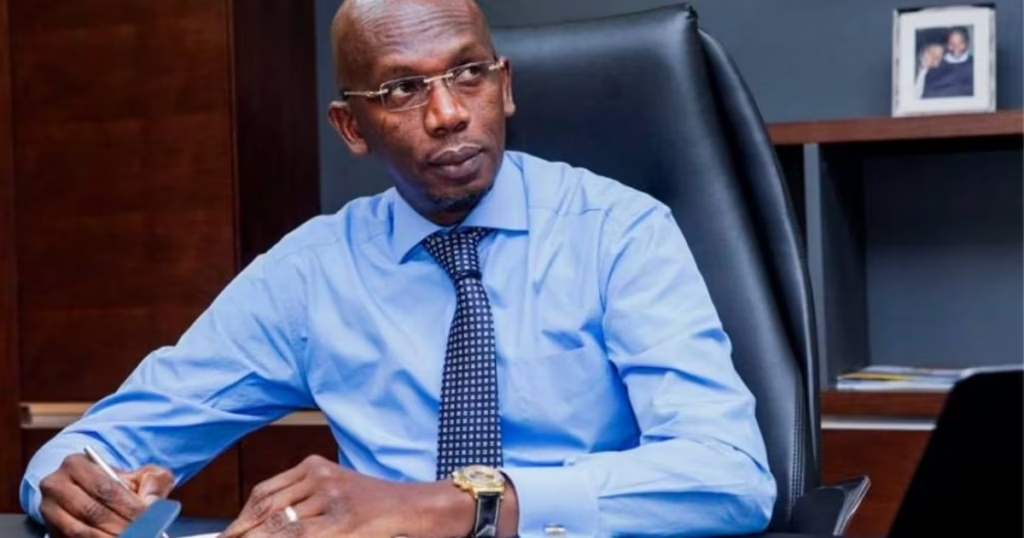
Lansana Gagny Sakho accuses Ousmane Sonko of rejecting republican values
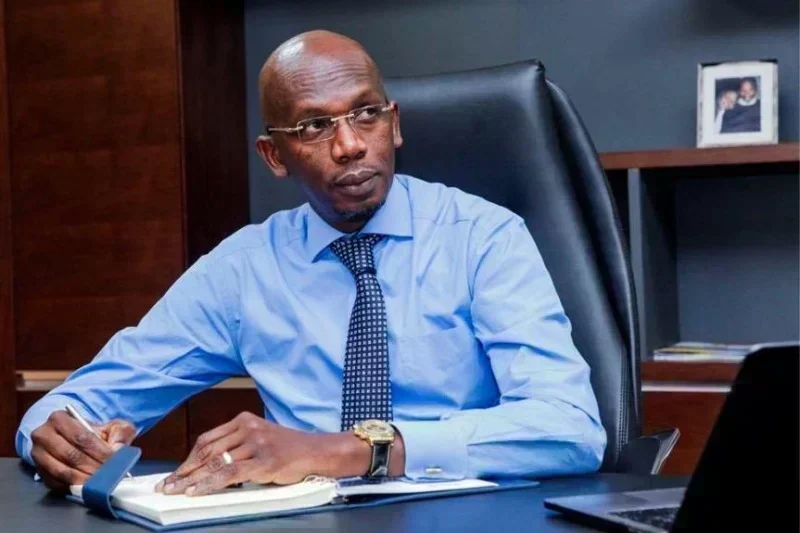
Following Senegal’s political transition, he revealed turning down a high-ranking position to uphold his principles, distancing himself from past alliances.
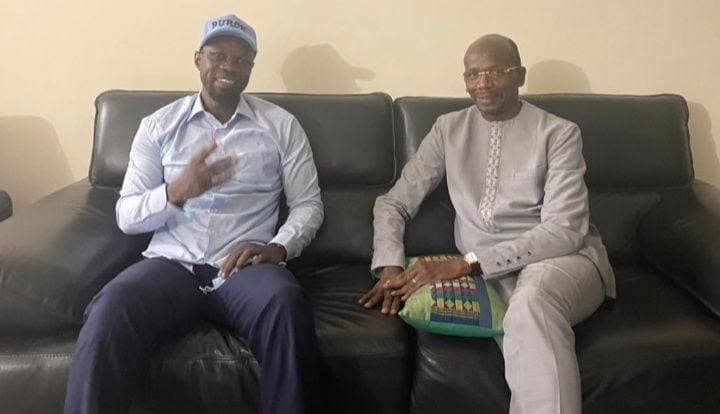
Once a close ally of Ousmane Sonko, Lansana Gagny Sakho now serves as a prominent figure within Kiiraay, the party led by President Bassirou Diomaye Faye. In a recent interview, he delivered a scathing critique of his former mentor, highlighting stark contrasts in their approaches to governance.
As Chairman of the APIX board, Sakho emphasized his unwavering commitment to Senegal’s institutions, contrasting it with what he described as Sonko’s disregard for republican values. He recounted declining a cabinet position in the water and sanitation sector after the transition, stating, “I prioritized principles over positions. This decision allowed me to walk away cleanly. From the outset, I chose the Republic.”
Sonko’s alleged disregard for republican institutions
Sakho accused Sonko of undermining national cohesion through public statements made during the President’s official visits abroad. He cited a controversial remark where Sonko questioned the government’s authority while the Head of State was in the United States and China—remarks that allegedly caused significant embarrassment.
For Sakho, true political leadership lies in strengthening institutions and enhancing state functionality. While acknowledging challenges on both sides, he pointed to notable progress, particularly in the justice sector.
Judicial independence under scrutiny
He also addressed recent changes at the Ministry of Justice, where former Justice Minister Ousmane Diagne had declared his refusal to be manipulated. Sakho claimed the minister’s removal was an attempt to install a more compliant figure to influence magistrates. “They underestimated the judiciary’s independence,” he asserted, adding that magistrates are far from being mere puppets.
Sakho’s remarks underscore a growing divide within Senegal’s political landscape, with implications for governance and institutional stability.
More Stories
Lansana Gagny Sakho clarifies his stance on Ousmane Sonko and republican institutions
Lansana Gagny Sakho: Sonko’s stance on state institutions under scrutiny
Lansana Gagny Sakho on Ousmane Sonko and the choice for institutions