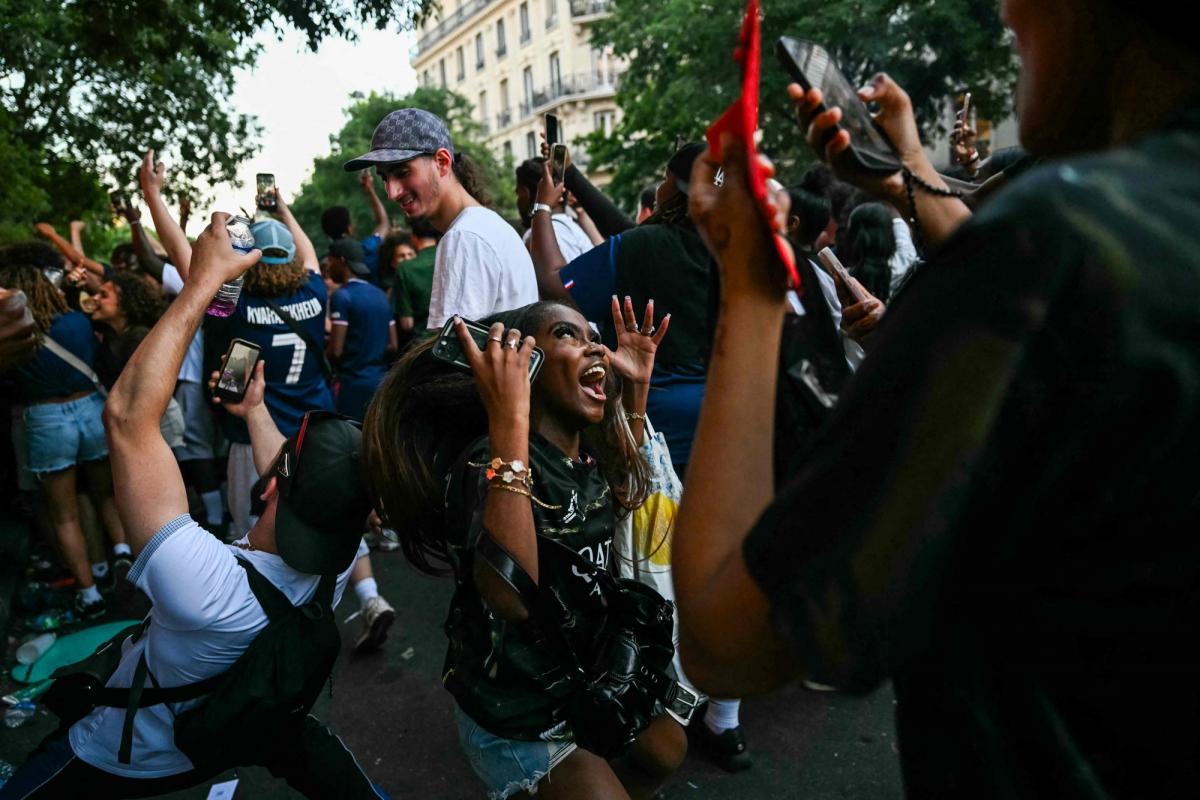
Paris celebrates PSG’s second Champions League triumph with joy and unrest
Jubilation and arrests marked Parisian streets as PSG secured their second Champions League title with a dramatic penalty shootout victory over Arsenal (1-1, 4-3 on penalties).
The air on the Grands Boulevards and Champs-Élysées was thick with euphoria as PSG clinched their historic back-to-back victory. Chants of “Sa-fo-nov, Sa-fo-nov, Sa-fo-nov” echoed through the streets the moment Gabriel’s decisive penalty soared into the Budapest night. Fumigènes had already punctuated the early celebrations—Gonçalo Ramos’s successful first penalty ignited the festivities, as if supporters instinctively knew the outcome would favor their team.
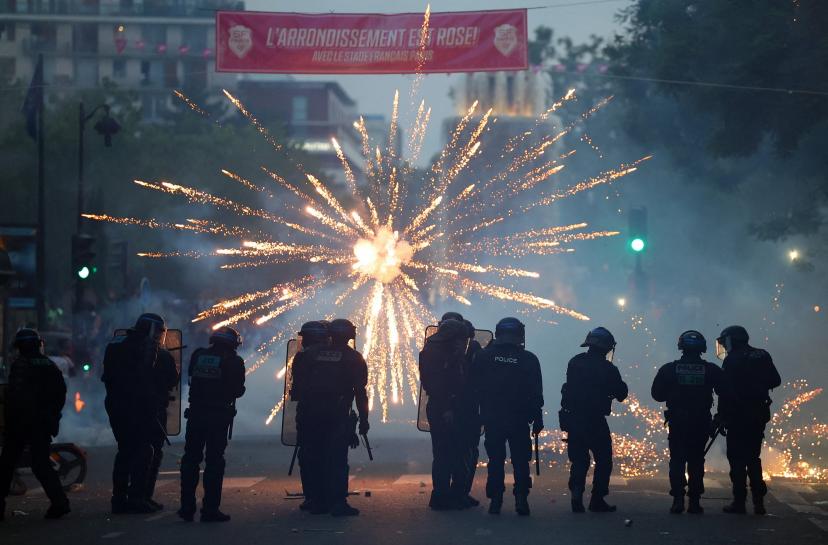
For the few fortunate souls packed into crowded bars—most towering over 1.80 meters—the tension of the shootout was palpable. The rest relied solely on the crowd’s reactions after each attempt, their hopes pinned to every kick. Then came the moment of sheer relief when Arsenal’s Brazilian player missed his penalty, triggering an explosion of pandemonium. The scene turned chaotic as tear gas canisters were deployed by nearby CRS units, sending revelers scrambling for cover, their eyes stinging in the acrid haze.
131 arrests, a quarter of last year’s chaos
With adrenaline still coursing through their veins, the crowd surged toward the Champs-Élysées, undeterred by closed metro stations. Authorities had turned the iconic avenue into a fortress, conducting thorough searches at every access point. Yet, despite the vigilance, unauthorized fireworks streaked across the sky, launched by daring individuals. Clusters of supporters erupted into chants—“After all these years” and “And Ousmane Ballon d’Or”—only to scatter when CRS units advanced, dispersing the throngs with tear gas.
This cat-and-mouse game between law enforcement and the estimated 20,000 revelers persisted throughout the night. By 11 PM, Paris police reported 131 arrests and one officer injured. While significantly lower than the 559 arrests recorded during last year’s PSG-Inter Milan victory celebrations, tensions remained palpable. “There’s less chaos than last year, sure. But it’s far from over—let’s see how things unfold,” a CRS officer commented near Rue du Colisée, his voice tinged with cautious optimism.
The subdued chaos was a testament to the city’s exhaustion—or perhaps the sweltering 37°C heat that had gripped Paris all afternoon. “This time, there was less stress. We’ve been through this before,” said Benji, a lifelong PSG fan, as klaxons blared along Rue La Boétie, one of the few nearby streets still open to traffic. The Grands Boulevards, meanwhile, became a graveyard of spent fireworks and deafening explosions, their aftermath visible in every scorched pavement and lingering smoke.
By 11 PM, a police convoy of twenty vehicles still patrolled Boulevard Montmartre, a stark reminder of the volatility that had erupted the moment the final whistle blew. The city was alive with celebration, but the specter of disorder loomed large.
Paris hadn’t witnessed such football fervor since the 2018 World Cup final, when Les Bleus triumphed. Hours before kickoff, tens of thousands of supporters had already flooded the streets. The sea of PSG jerseys was a vivid testament to the day’s significance. By morning, conversations across cafés and neighborhoods revolved around the match—even among the cautious. “I’ll watch the game at home. No way I’m ending up in custody for nothing,” quipped an elderly man in Ivry, his tone a mix of resignation and humor.
As mortar fireworks and firecrackers—easily purchasable on Snapchat in the hours leading up to the match—painted the sky, the stage was set for madness. By late evening, as one retraced their steps along Rue du Faubourg-Montmartre, eyes watering from lingering tear gas, an old man turned to his neighbor and remarked, “I suppose PSG won.” The answer was obvious.

Boureima Amadou
Reporter
Boureima Amadou
- News
- October 1, 2026
- 53 views
Benin’s $730 million AIIB pipeline: what it means for households, businesses and the economy
Benin Benin’s $730 million AIIB pipeline: what it means for households, businesses and the economy A new $730 million indicative financing pipeline from the Asian Infrastructure Investment Bank (AIIB) for…
- News
- October 1, 2026
- 53 views
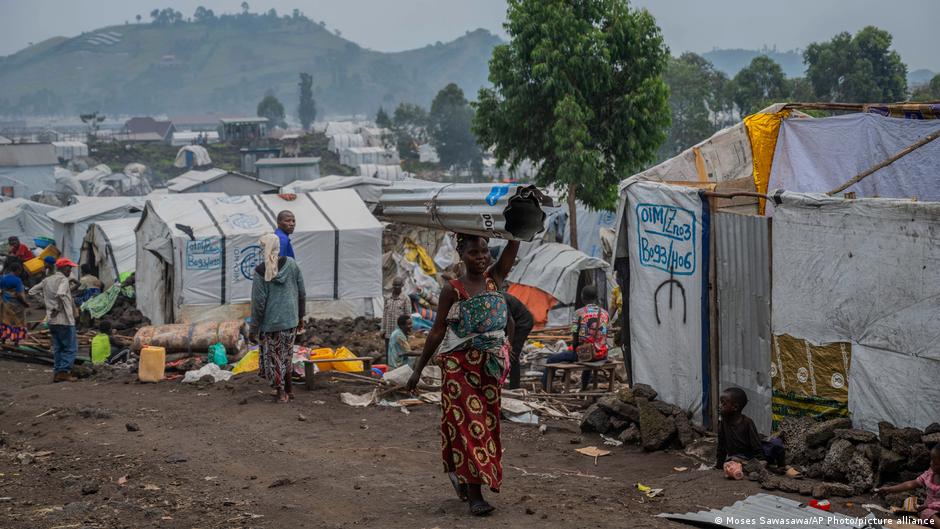
What impunity costs Congolese families: the real price of unpunished crimes
Law and justiceDemocratic Republic of Congo What impunity costs Congolese families: the real price of unpunished crimes In the Democratic Republic of Congo, thousands of victims of successive conflicts are…