Mariama Hamani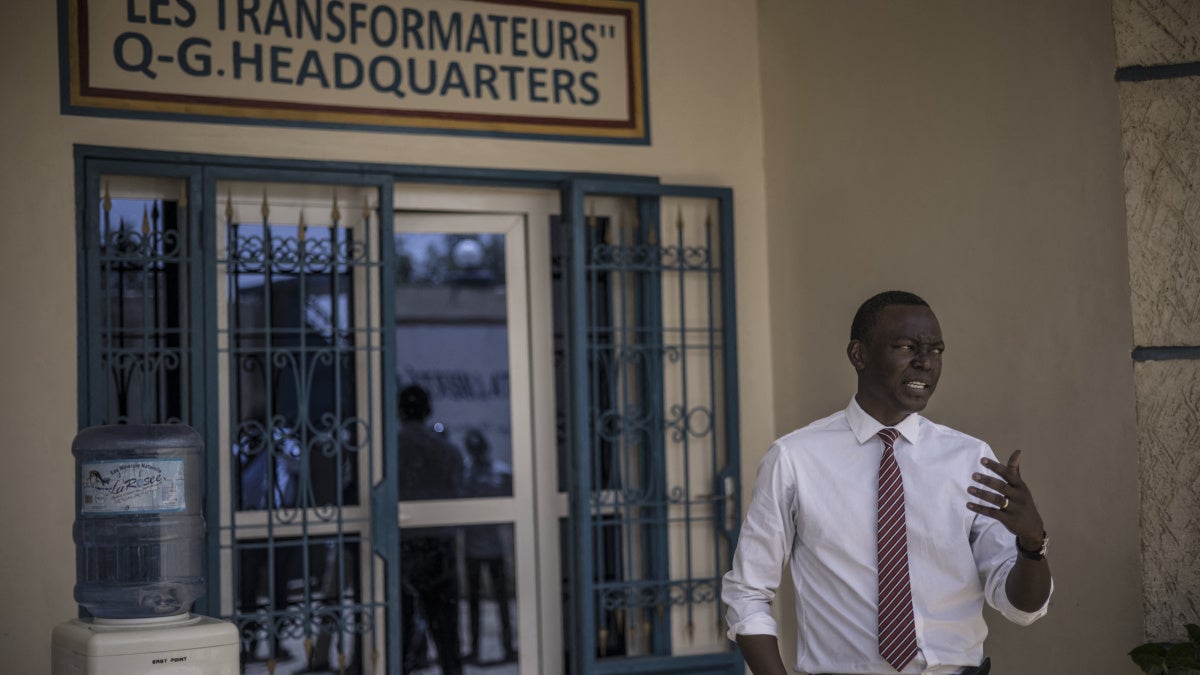
N’Djamena, Chad — One year ago, Chadian authorities detained and later convicted prominent opposition leader and former Prime Minister Succès Masra, a move critics argue exposes the government’s hostility toward dissent.
From arrest to conviction: a politically charged case
On the morning of May 16, 2025, security forces broke into the home of Succès Masra, leader of the opposition party Les Transformateurs, in N’Djamena. The arrest came just two days after deadly intercommunal clashes in the Logone Occidental region, which left dozens dead. Masra had taken to social media to offer condolences and condemn the violence, stating, “No Chadian life should be treated as insignificant.”
In August 2025, a Chadian court found him guilty of spreading hate speech and complicity in murder, sentencing him to 20 years in prison. The verdict extended to dozens of co-defendants, most receiving identical sentences. Heavy fines were also imposed. Masra, who maintained his innocence, has since appealed the ruling, and the case remains pending.
Escalating repression amid political tensions
The arrest and conviction of Succès Masra are not isolated events but part of a broader crackdown on political freedoms in Chad. Prior to the May 2024 presidential election—where Masra challenged transitional leader Mahamat Idriss Déby—his movement faced threats, arbitrary arrests, and even political assassinations. After the disputed vote, Masra alleged electoral fraud.
Security forces have repeatedly used excessive force against protesters, including during 2021 and 2022 demonstrations that resulted in dozens of deaths and injuries. Hundreds were detained, with reports of torture and mistreatment. Just last month, eight opposition figures were sentenced to eight years in prison for attempting to organize a banned pro-democracy rally.
A call for regional intervention
With Succès Masra’s appeal set to be heard by Chad’s Supreme Court, regional actors—particularly the Economic Community of Central African States (ECCAS)—are urged to act. Despite previous agreements like the Kinshasa Accord, which promised protection for opposition activities, democratic principles continue to erode. Analysts say ECCAS must press Chadian authorities to restore political rights and uphold democratic commitments.
As the one-year mark of Masra’s detention passes, the international community watches closely to see whether justice will prevail—or if repression will deepen.


 Boureima Amadou