Mariama Hamani
The sovereignist rhetoric clashes with fiscal constraints in Niger
Niamey’s bold declarations of a ‘restored sovereignty’ and a definitive break from international financial institutions are increasingly undermining the credibility of the military-led administration under General Abdourahamane Tiani. While the National Council for the Safeguarding of the Homeland (CNSP) persists in touting an era of unparalleled autonomy and prosperity, tangible actions expose a starkly different narrative. Faced with escalating social distress and an inability to meet basic citizen needs, the regime finds itself compelled to revisit external borrowing as its primary economic lifeline.
A stark disconnect between words and economic outcomes
The latest testament to this paradox materialized beyond Niger’s borders, underscoring what many now perceive as a systemic contradiction in official discourse.
From revolutionary promises to financial dependency
During the African Development Bank Group’s annual meetings in Brazzaville on May 26, 2026, Niger quietly finalized a substantial financial arrangement. The agreement, inked between Sidi Ould Tah on behalf of the financial institution and Maman Laouali Abdou Rafa acting as Niger’s representative, secured a $172 million loan facility.
Intended, in theory, to bolster youth entrepreneurship in agriculture, modernize the sector through technological and financial innovation, and cultivate new value chains amid severe food and climate pressures, the infusion of capital appears, to many, as a paradoxical return to conventional financing mechanisms. The contradiction is glaring: how can a government advocating economic emancipation sustain its operations through perpetual recourse to foreign debt?
Where promises meet hardship
The chasm between official proclamations and ground-level realities in Niger continues to widen:
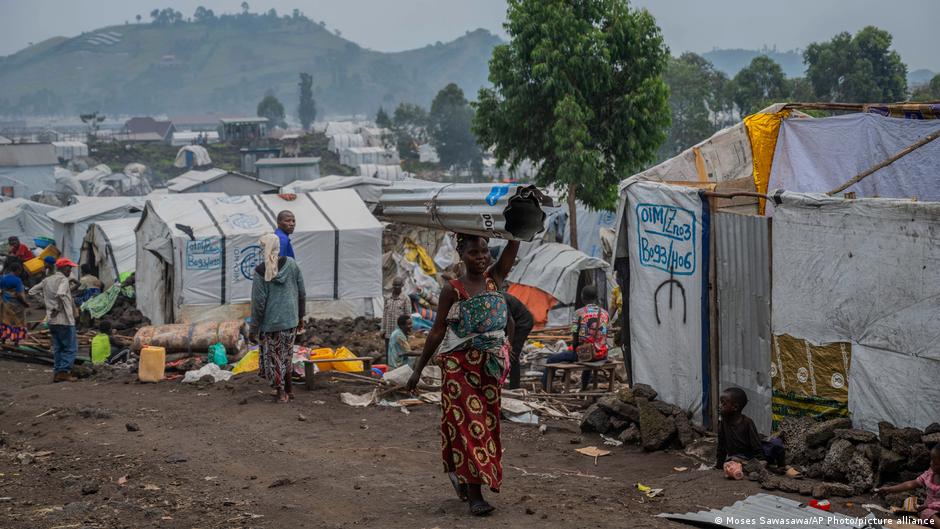
- Chronic food insecurity: Amidst pledges of agricultural self-sufficiency, households grapple with soaring inflation and disrupted supply chains, eroding purchasing power and resilience.
- Economic stagnation for the youth: The much-anticipated economic opportunities have failed to materialize, leaving a burgeoning youth population disproportionately affected by unemployment.
- Relapse into external borrowing: The necessity to secure multi-million-dollar loans underscores the inability of the state’s coffers to fund developmental ambitions independently.
A regional economist, speaking on condition of anonymity, remarked, « While dignified sovereignty is championed, the documents signed abroad reveal an administration incapable of sustaining itself without external capital. »
Pragmatism or capitulation?
By accepting the $172 million loan, the CNSP implicitly acknowledges its failure to address the nation’s pressing climate-induced agricultural and food crises through domestic means alone. Though agricultural development and youth financial inclusion remain valid national priorities, the resort to external debt under General Tiani’s leadership lays bare the structural weaknesses of an administration isolated on both diplomatic and regional fronts.
The citizens of Niger now face an immediate, unvarnished reality: the urgency of daily survival transcends the lofty ideals of sovereignty. As Niamey frames each new loan agreement as a triumph, the arithmetic of debt reveals a far less flattering truth—today’s liabilities are tomorrow’s fiscal burdens, shattering the illusion of absolute economic independence.

 Boureima Amadou