Mariama Hamani
Niger’s authoritarian shift: a year of repression under military rule
One year after a military coup in Niger, authorities have intensified crackdowns on dissent, silencing opposition, media, and civil society, according to Amnesty International, Human Rights Watch, and FIDH. Arbitrary arrests, media restrictions, and legal maneuvers have marked the junta’s rule, raising alarms over democratic backsliding.
Arbitrary detentions and legalized repression
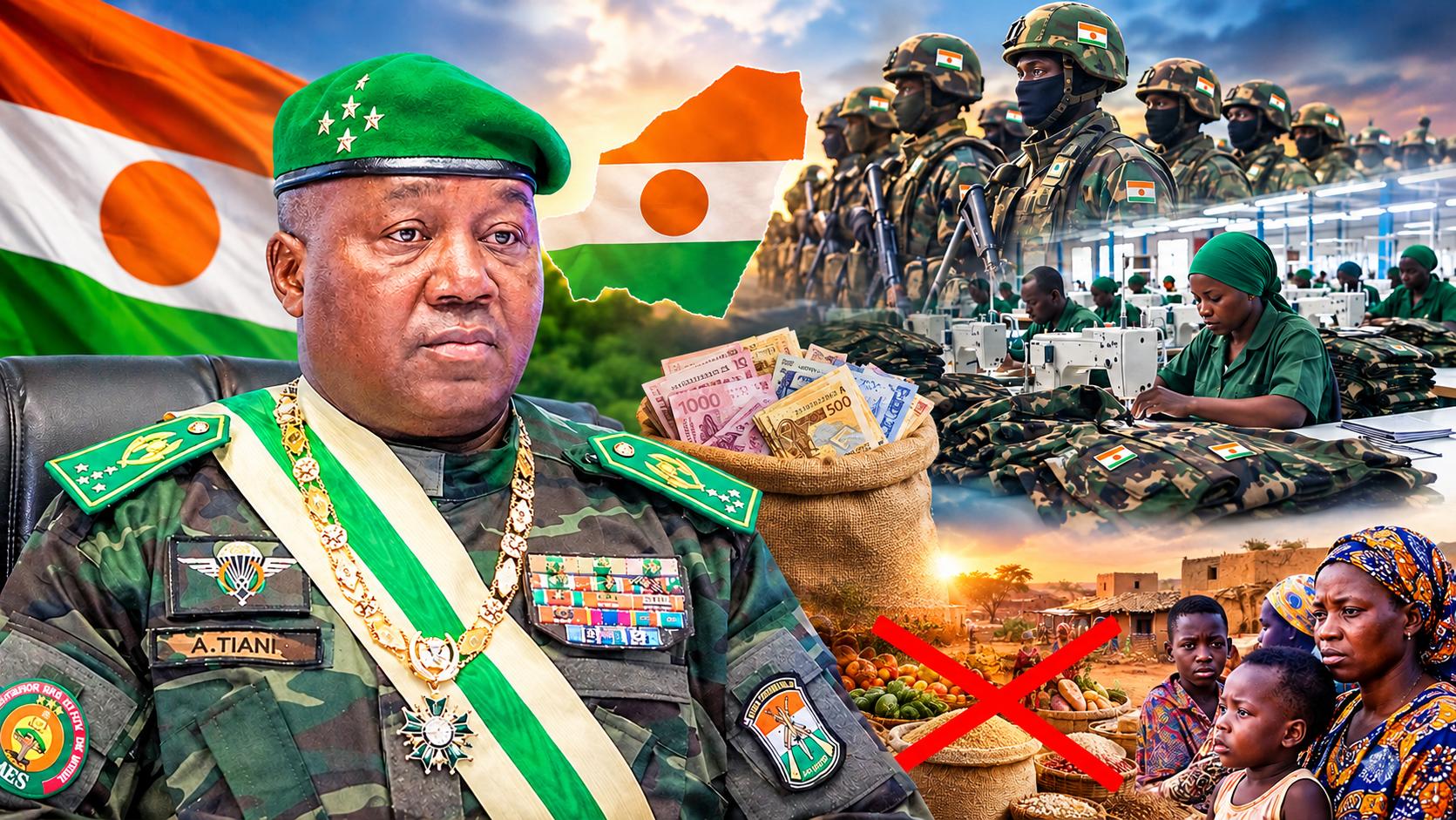
The military junta, led by General Abdourahamane Tiani, has held former President Mohamed Bazoum in detention since the July 2023 coup, along with dozens of government officials and allies. Despite international condemnation, Bazoum remains imprisoned without trial, facing charges of high treason and threats to national security. In June 2024, a Nigerien court stripped him of presidential immunity, a move criticized for violating due process and fair trial standards.
Among those detained are former ministers, presidential advisors, and journalists, many held incommunicado before being transferred to high-security prisons. At least four have been released on bail, while others face military tribunal charges of endangering state security—a charge critics argue is weaponized against civilians.
Media crackdown: silencing independent voices
Niger’s media landscape has faced severe restrictions. Journalists critical of the junta have been arrested, threatened, or forced into self-censorship. Samira Sabou, a blogger and journalist, was detained in September 2023 after reporting on the coup, held for days without access to legal counsel. Ousmane Toudou, a former presidential advisor turned journalist, was jailed in April 2024 for conspiracy against state security after denouncing the military takeover on social media.
The junta has also targeted media organizations. In January 2024, the government suspended the Maison de la Presse, an independent media group, and replaced its leadership with state-appointed officials. Other outlets, like L’Enquêteur, have faced legal harassment for reporting on alleged foreign surveillance operations in Niger.
Legal maneuvers and shrinking civic space
Human rights defenders now face systemic barriers. In May 2024, the justice ministry banned prison visits by NGOs, violating Niger’s obligations under international law, including the UN Convention Against Torture. The move effectively shields detention conditions from scrutiny.
Additionally, amendments to the 2019 cybercrime law—originally reformed in 2022 to reduce prison sentences for defamation—now reinstate imprisonment penalties. Activists warn this will further stifle dissent, enabling the prosecution of critics and human rights defenders under the guise of public order violations.
Military spending secrecy: a shield for corruption
In a move contradicting anti-corruption pledges, the junta issued a decree in March 2024 exempting military expenditures from public oversight. The order shields defense spending from audits, tax scrutiny, and legal challenges—undermining transparency and accountability in one of Africa’s poorest nations.
Ilaria Allegrozzi, a Sahel researcher at Human Rights Watch, stated: «The junta’s refusal to disclose military spending details is a blatant betrayal of its anti-corruption rhetoric. Without transparency, there can be no justice or democratic restoration.»
International response and regional fallout
The ECOWAS imposed sanctions after the coup, but lifted them in February 2024 after Niger, Mali, and Burkina Faso announced their withdrawal from the bloc. The African Union also suspended Niger’s participation in 2023. Despite these measures, the junta has tightened its grip, accelerating the erosion of democratic norms.
«The international community must hold the Nigerien junta accountable,» added Samira Daoud, Amnesty International’s West and Central Africa director. «Releasing political prisoners and restoring fundamental freedoms are non-negotiable steps toward justice.»