Boureima Amadou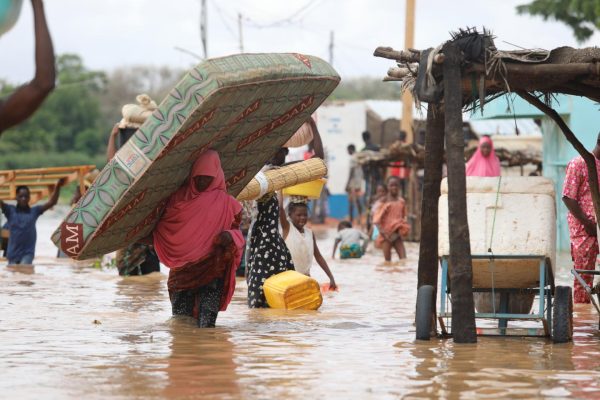
As the rainy season approaches, Niger’s authorities are raising the alarm about potential risks for 2026. The Operational Center for Monitoring, Alerting, and Crisis Management (COVACC), under the Ministry of the Interior, is cautioning communities—especially livestock herders—about severe threats posed by early rains expected across the country’s agropastoral belt.
On May 11, 2026, COVACC issued a stern warning, urging heightened vigilance for the upcoming hivernage season. National weather forecasts predict normal to above-average rainfall, with strong winds that could lead to livestock losses and infrastructure damage. The agency emphasized the need for preparedness to mitigate risks associated with these climatic conditions.
COVACC highlights dangers of the 2026 rainy season
The onset of rains often brings hazardous conditions, particularly in rural areas where pastoral communities rely on livestock for survival. COVACC officials stress that the 2026 season could pose unprecedented challenges, especially for herders whose animals are already weakened by the lean season.
According to the National Meteorology Directorate, rainfall during the 2026 hivernage is expected to align with or surpass historical averages (1991–2020). While this may benefit agriculture, it also introduces significant risks, including violent winds that could wreak havoc on both livestock and local infrastructure.
Violent winds pose immediate threats
COVACC warns that early-season storms often bring destructive winds, particularly dangerous for undernourished livestock. Animals already struggling from food scarcity face higher mortality risks when exposed to such conditions. Additionally, these storms frequently damage homes, public buildings, and critical infrastructure.
Common casualties include collapsed mud-brick structures, torn roofs, and destroyed public facilities such as schools and health centers. The agency underscores the urgency of protective measures to prevent further losses.
Early damage reported in multiple regions
By May 11, 2026, the General Directorate of Civil Protection (DGPC) documented significant damage in several areas. In Allakaye, Bouza Department, Tahoua Region, strong winds destroyed a three-classroom school block, a mud-brick classroom, and a wall of an integrated health center. Meanwhile, in Dosso Region’s Dankassari commune, infrastructure losses included two classrooms, a storage facility, six streetlights, and five electrical poles.
COVACC urges proactive disaster preparedness
To minimize risks, authorities are advising communities to stay informed via official weather updates and alerts. Herders are encouraged to shelter livestock during windstorms and avoid flood-prone areas, including dry riverbeds (koris) that can suddenly become raging torrents.
The center also cautions against crossing runoff zones and stresses the importance of reporting incidents to local officials promptly. These measures aim to protect lives, livelihoods, and property during what could be a volatile rainy season.
A critical challenge for Niger’s pastoral economy
In Niger, where livestock farming sustains millions of households, the hivernage season is a double-edged sword. While rains rejuvenate pastures, they also amplify vulnerabilities tied to climate variability. Authorities are working to strengthen early warning systems, seeking to reduce the impact of natural disasters on rural populations already strained by security and economic pressures.
With the peak of the rainy season approaching, COVACC’s message is unequivocal: proactive prevention is the most effective defense against climate-related hazards. For Nigerien herders, the 2026 season could either restore hope—or erase years of hard-earned progress.