
 Mariama Hamani
Niger imposes conditions for Benin border reopening
Niamey has outlined strict prerequisites for the reopening of its border with Benin, sealed for nearly three years. In a decisive move, the Nigerien authorities are demanding formal security and defense agreements to prevent either nation from using its territory against the other, alongside enhanced intelligence-sharing mechanisms.
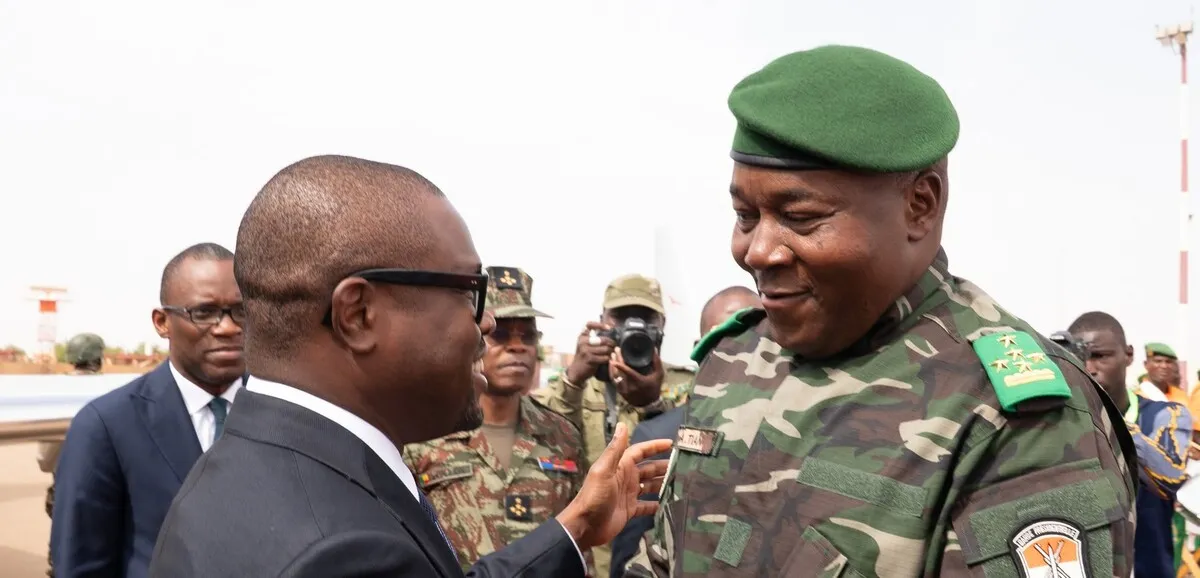
On June 20, General Mohamed Toumba, Niger’s Interior Minister, convened with Benin’s expert committee in Cotonou to discuss these demands. The talks centered on two non-negotiable requirements: a defense pact and a security accord explicitly barring cross-border military hostilities. Toumba also insisted on full transparency regarding foreign military deployments near the shared border along the Niger River.
Over recent years, Niamey has repeatedly accused Cotonou of hosting French military bases near the frontier—a claim both Benin and France have consistently denied. The border closure followed a military takeover in Niger in July 2023, with Niamey alleging Benin’s involvement in destabilization efforts backed by Paris.
Thawing relations spark dialogue
Tensions began easing after Romuald Wadagni, Benin’s newly elected president, visited Niamey in early June. The visit marked a turning point in relations strained by recurrent jihadist violence from Al-Qaeda and Islamic State-affiliated groups. Both nations now face shared security threats, prompting calls for unified action.
Toumba emphasized the urgency of establishing a bilateral intelligence fusion cell to combat cross-border terrorism effectively. “Our armies must stop fighting this enemy alone—terrorism knows no borders,” he stated. This proposal aligns with broader regional efforts to strengthen collaboration against insurgent threats.
Shared challenges ahead
The border’s closure has disrupted trade and regional stability, but recent diplomatic overtures suggest progress. Both governments are now navigating a delicate balance between sovereignty concerns and the need for collective security in the face of escalating extremist activity.


 Boureima Amadou





