Boureima Amadou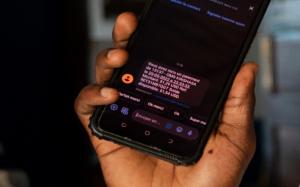
Niger implements digital payments for vaccination campaigns
During the April 2026 National Polio Vaccination Days in Niamey, Niger introduced a groundbreaking digital payment system for healthcare workers and community volunteers. Supported by the World Health Organization (WHO) in Niger, this initiative replaced traditional cash payments with mobile money transfers for over 1,200 frontline workers.
The digital payment system achieved remarkable efficiency, with 99% of transactions processed within 48 hours after the campaign concluded. This innovation eliminated delays, enhanced transaction transparency, and reduced logistical challenges associated with cash handling. Initial challenges—such as data quality and digital tool adoption—were addressed through targeted training provided by WHO Niger.
Preparing for success
Ahead of the vaccination campaign, WHO Niger conducted a capacity-building workshop from September 29 to October 3, 2025. The training focused on digital payment systems for national and local vaccination stakeholders, equipping the Ministry of Public Health and Hygiene with the tools to design and implement a national digital payment ecosystem.
Why digital payments matter
Digital payments for healthcare workers serve as a powerful catalyst for improving efficiency, transparency, and accountability in public health campaigns. By ensuring faster, more secure, and fully traceable transactions, this system boosts motivation among field agents and enhances the overall performance of health interventions. With proven success in Niamey, the model is poised for nationwide expansion and adoption in other health programs, reflecting WHO Niger’s commitment to measurable on-the-ground results.
Key benefits of digital payments in vaccination campaigns
- Speed: Payments processed in under 48 hours, reducing delays for frontline workers.
- Transparency: Every transaction is fully traceable, minimizing fraud risks.
- Convenience: Eliminates logistical burdens of cash handling and distribution.
- Accountability: Strengthens trust between health authorities and field agents.