Boureima Amadou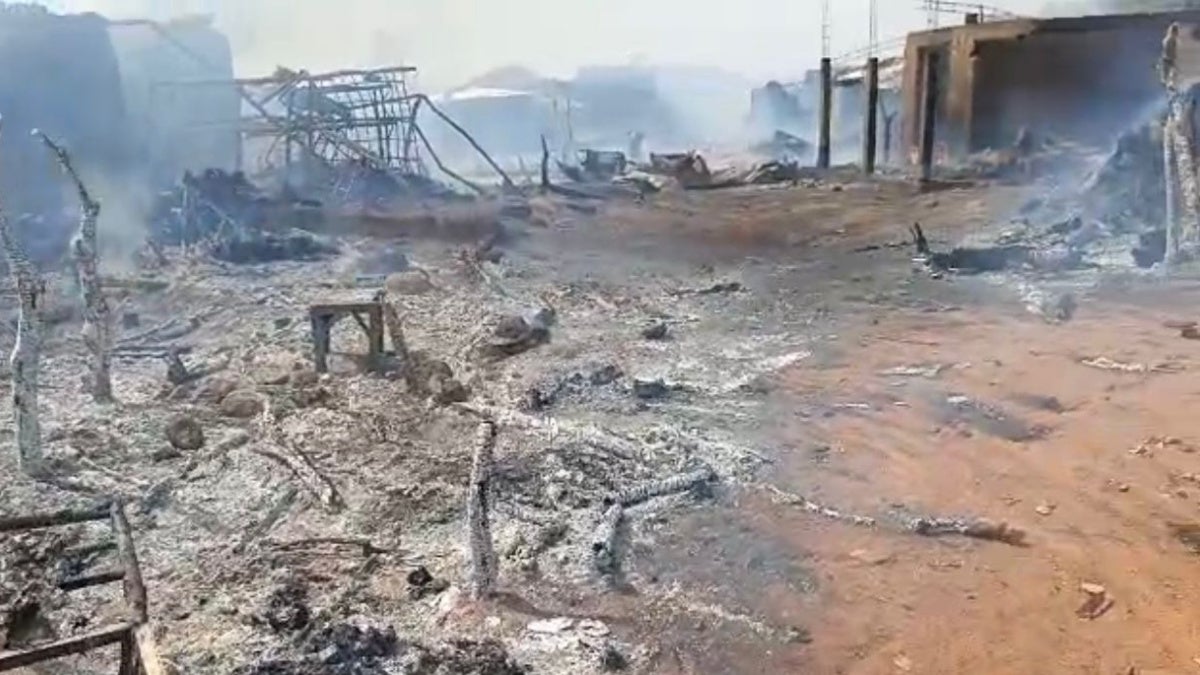
A military drone strike in the Niger village of Kokoloko, located in the Tillabéri region near the border with Burkina Faso, resulted in the deaths of at least 17 civilians, including four children, and injured 13 others on January 6, 2026. The attack, which also killed three Islamic State militants, raises serious concerns about violations of international humanitarian law, according to human rights investigators.
How the attack unfolded in a crowded market
Witnesses reported seeing a white military drone circle Kokoloko twice on the afternoon of January 6, before deploying a munition at approximately 1:30 PM—when the market was teeming with hundreds of people. Traders, customers, and local families were present, many buying food such as rice, meat soup, and other essentials. A 36-year-old merchant described the moment: *“I saw the drone flying overhead, then heard a whistling sound before a massive explosion. The market was hit, and it was full of women, children, and traders—everyone was there.”*
According to local accounts, three Islamic State in the Sahel (EIS) fighters, dressed in civilian clothing and turbans, were present in the market at the time of the strike, while three others remained in the village. Reports indicate that these militants frequently visit markets in the area to purchase supplies before departing. A village elder confirmed seeing six armed EIS members arrive in the morning, with three entering the market.
Civilian casualties dominate the tragic toll
The attack left a devastating humanitarian impact. Survivors described the scene as horrific, with many bodies burned beyond recognition. A 67-year-old religious leader recounted: *“I counted 17 bodies, mostly women and children. The bodies were charred, making identification nearly impossible.”* Victims included 11 women aged 29 to 50, two men aged 32 and 55, and four children aged five to ten. The wounded consisted of four women aged 28 to 45, seven men aged 23 to 62, and two teenagers aged 14 and 15.
Satellite imagery analyzed by investigators showed active fires at Kokoloko around 1:31 PM, consistent with witness testimony. High-resolution images taken on January 20 revealed scorched areas along the main road, with locals attributing the rapid spread of flames to accelerants like fuel and wooden stalls.
International concerns and military accountability
The strike has drawn sharp criticism from human rights organizations, including Human Rights Watch, which emphasized that the attack likely violated international humanitarian law. Ilaria Allegrozzi, Senior Sahel Researcher at the organization, stated: *“The Niger military strike that killed three Islamic State fighters also resulted in the deaths and injuries of numerous civilians in a market, breaching the laws of war. Authorities must conduct a transparent and impartial investigation, hold those responsible to account, and ensure fair compensation for victims and their families.”*
Conflict monitoring groups, including ACLED, have documented a surge in civilian casualties in the Tillabéri region in 2025, with attacks attributed to the EIS, Niger’s military, and the al-Qaeda-affiliated Group for Support of Islam and Muslims (GSIM). In September 2025, airstrikes near another Tillabéri market reportedly killed over 30 civilians, while January 2024 drone strikes in the village of Tiawa also resulted in civilian fatalities.
Investigations into the Kokoloko strike remain ongoing, with Human Rights Watch unable to confirm the specific type of drone or munition used. However, reports suggest Niger’s military has acquired Turkish-made drones such as the Bayraktar TB-2, Karayel-SU, and Aksungur UCAV since 2022. These drones are equipped with advanced sensors and precision-guided munitions, raising questions about targeting accuracy in civilian-dense areas.
Humanitarian fallout and displaced communities
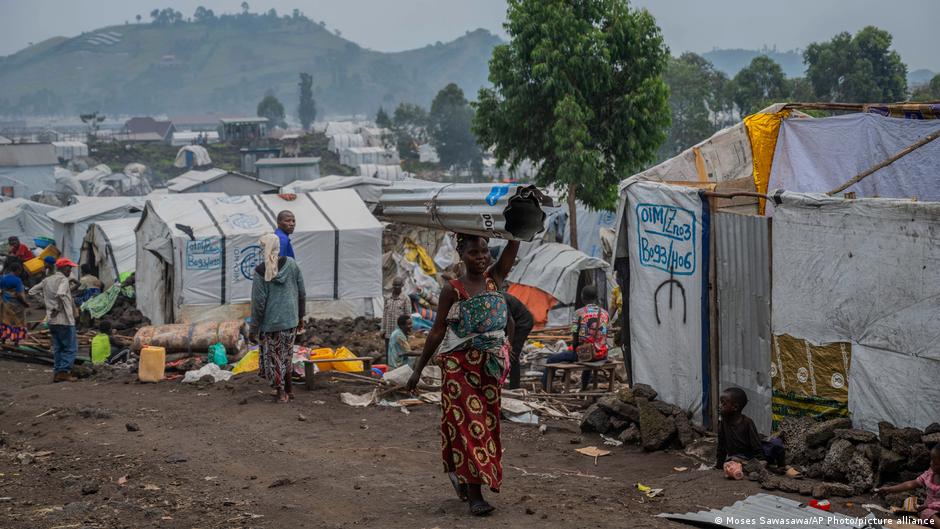
The attack triggered a mass exodus, with nearly all 1,200 residents of Kokoloko fleeing to neighboring villages or crossing into Mali. One survivor, who lost her cousin and nephew in the strike, shared: *“We spent the first night in a nearby village with my children. Later, we crossed into Mali with almost nothing.”*
Human Rights Watch compiled a list of victims, documenting the tragic loss of life and injuries. Meanwhile, local reports indicate that the EIS retrieved the bodies of its fighters and arranged for their burial in Kokoloko’s cemetery. Survivors buried civilian victims in two separate mass graves—one for women and children, and another for men.
International observers have called for urgent action to protect civilians in conflict zones. Allegrozzi concluded: *“Foreign governments supporting Niger’s military must press authorities to adopt measures that prevent harm to local populations. The government should provide essential services to those affected, help them recover from injuries and trauma, and offer fair compensation to victims and their families.”*