Boureima Amadou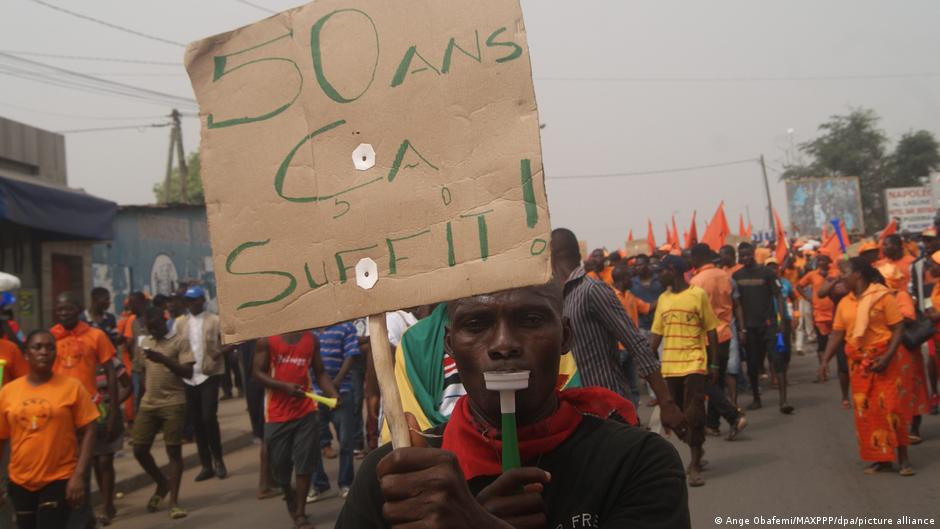
Togo’s political landscape shifts as opposition gains rally approval
After years of restrictive measures limiting public gatherings, Togo’s opposition coalition achieved a historic milestone this weekend by securing official permission for a public assembly in Lomé. The breakthrough raises a pivotal question: does this signal a genuine political thaw in Togo, or merely a temporary easing of tensions?
CNCC coalition leads first authorized opposition gathering
The Cadre national de concertation pour le changement au Togo (CNCC), a newly formed alliance uniting four opposition parties and civil society organizations, successfully organized its inaugural public meeting this Saturday in Lomé. The event drew several hundred participants, marking a significant departure from previous years of systematic event cancellations.
Davdi Dosseh, spokesperson for the Front citoyen Togo debout and one of the event organizers, expressed the coalition’s determination: “We demand governance change. Togo suffers from systemic corruption, crumbling public services, and stagnation. For years, authorities have used fabricated pretexts to block peaceful assemblies. We will not relent in our pursuit of democratic freedoms.”
Is this a genuine political opening or just a temporary measure?
While the government’s authorization represents progress, political analysts urge caution in interpreting this development. Paul Amégankpo, director of the Institut togolais Tamberma pour la gouvernance, notes that the gesture, though positive, must be viewed within the broader political context.
“The Togolese government’s approval of this peaceful opposition march on May 9, 2026, in Lomé deserves recognition,” Amégankpo commented. “However, given the overall political climate, this act should be assessed cautiously—as a potential indication of the government’s willingness to relax restrictions on peaceful protest, association, and political activity nationwide.”
He emphasized the need for further evidence: “We must observe additional signs of political commitment to openness before confirming a definitive shift toward enhanced political and associative freedoms in the country.”
Attempts to obtain an official government response to these developments proved unsuccessful.
What lies ahead?
The coming weeks will be critical in determining whether this event heralds the beginning of a new democratic era in Togo or remains an isolated instance in an otherwise restrictive political environment. As the CNCC coalition continues its advocacy, the international community watches closely to see if this marks a turning point in Togo’s political trajectory.