Boureima Amadou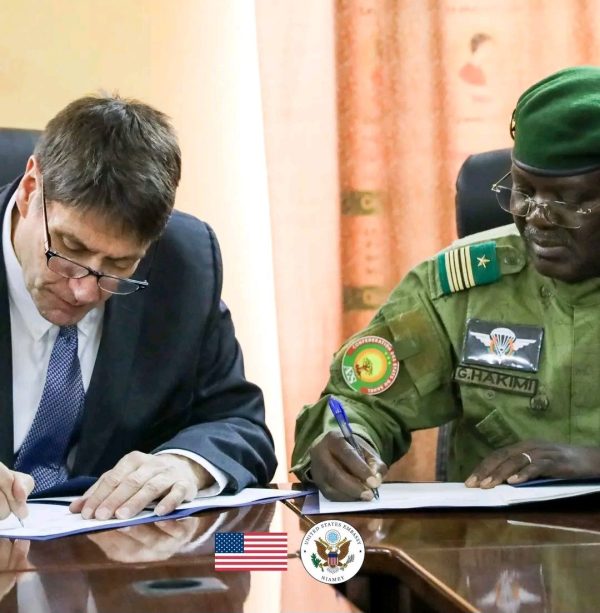
A landmark agreement between Niger and the United States has sparked intense debate: is this a bold step toward improving public health, or a potential compromise of the country’s digital sovereignty? The deal, signed in Niamey on February 26, 2026, pledges $178 million (approximately 99.6 billion FCFA) to bolster health infrastructure, but the fine print raises critical questions.
At its core, the protocol aligns with the America First global health strategy, targeting key areas such as malaria reduction, infectious disease surveillance, polio prevention, and maternal and child health. Yet, beneath these seemingly uncontroversial priorities lurk deeper concerns about data governance and long-term sustainability.
Massive funding amid fiscal strain
The U.S. commitment accounts for $107 million over five years, while Niger commits to increasing its national health budget by over $71 million. This dual funding approach signals a shift, especially as the country grapples with chronic budget constraints and escalating security expenditures.
Can Niamey maintain this financial commitment over time? Which budget lines will be adjusted to accommodate this pledge? The answers remain unclear, leaving many to question the feasibility of such a partnership.
Health cooperation or strategic leverage?
Officially framed as a technical collaboration to strengthen Niger’s healthcare system, the agreement carries broader implications. A lesser-discussed clause involves the inclusion of Niger in a U.S.-led health data exchange program—one that comes with financial compensation.
In an era where data is a geopolitical asset, this provision introduces a sensitive issue: the management and transfer of citizens’ medical data. Will sensitive health records be shared with American databases? If so, under what legal safeguards? The lack of transparency in official statements only fuels speculation.
African precedents: caution or resistance?
Several African nations have recently pushed back against similar agreements. Zimbabwe declined outright, while Kenya’s courts suspended a comparable program last year. Zambia, too, rejected a billion-dollar deal, citing concerns over data-sharing clauses that conflicted with national interests.
These examples prompt further scrutiny: did Niger secure additional protections, or did it prioritize immediate health needs over long-term legal safeguards?
An opportunity to strengthen local health autonomy?
Yet reducing the discussion to data governance would overlook Niger’s pressing structural health challenges: endemic malaria, epidemic vulnerabilities, rural infrastructure gaps, and persistently high maternal mortality rates.
If deployed effectively, the funds could drive meaningful progress—modernizing surveillance systems, expanding vaccination coverage, and reinforcing community health centers. However, historical patterns suggest that external funding alone rarely guarantees lasting change without internal reforms.
The sovereignty dilemma
Ultimately, the Niamey agreement reflects a familiar challenge for African states: balancing strategic partnerships with the preservation of decision-making autonomy. In a shifting geopolitical landscape, Niger appears to adopt a pragmatic stance. The question now is whether this investment will fortify its healthcare system or ignite broader debates on data governance and digital sovereignty.
The real cost of this partnership may extend far beyond the $178 million—raising a fundamental question: can sovereignty and necessity coexist?



 Mariama Hamani