Mariama Hamani
N’Djamena’s minibus chaos: why structured stops are overdue
Unregulated minibus pick-up points in N’Djamena create daily traffic hazards and passenger safety risks. Experts argue that designated stops are long overdue.
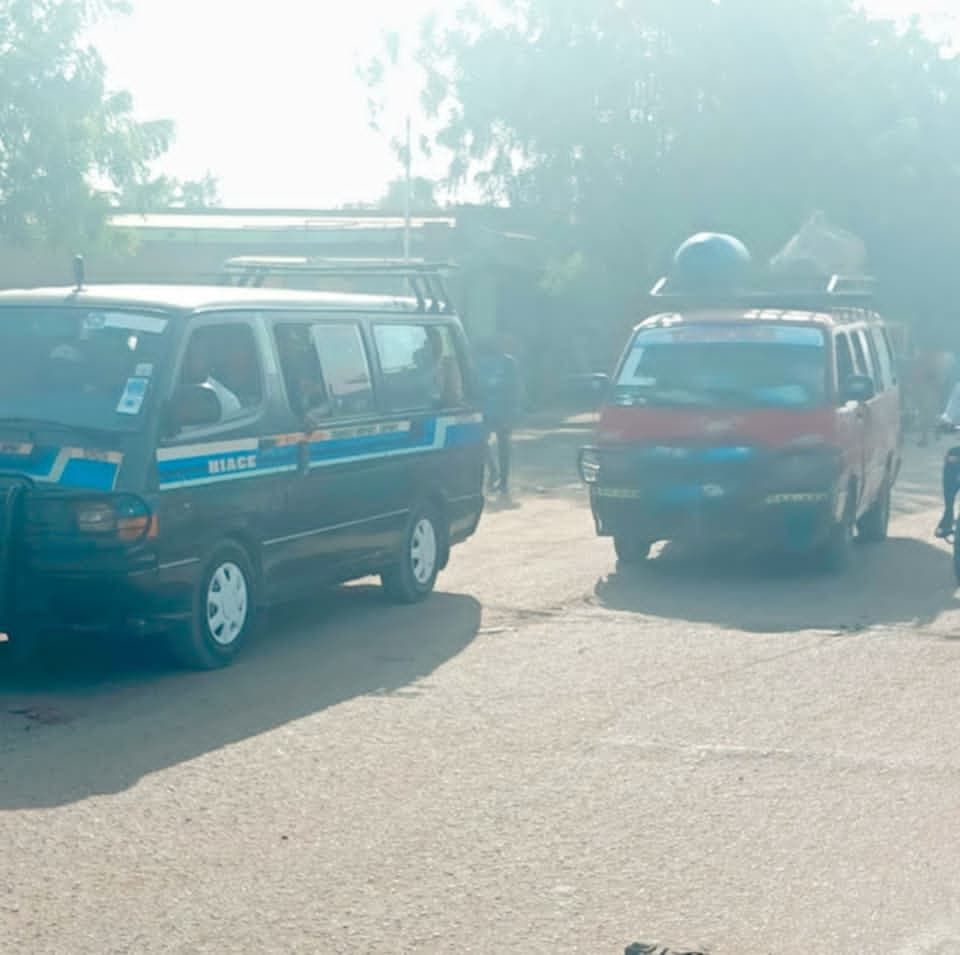
With N’Djamena’s population swelling and urban sprawl accelerating, the city’s chaotic minibus transport system has become a pressing concern. These clandestines vehicles, the lifeline for thousands of daily commuters, currently operate in a legal and spatial void.
Every morning and evening, passengers scramble onto unpaved shoulders and through moving traffic as minibuses halt unpredictably to pick up or drop off riders. This uncoordinated system breeds congestion, endangers pedestrians, and fuels road accidents—especially during rush hours when arteries of the capital grind to a halt.
Why designated minibus stops matter
The absence of structured pick-up points forces drivers into dangerous improvisation. Vehicles that should be moving at consistent speeds are forced to brake suddenly, weaving unpredictably between lanes. Pedestrians, too, face perilous crossings as they navigate between stationary minibuses and speeding cars.
A well-planned network of designated stops—spaced every 150 to 200 meters depending on neighborhood density—could transform this disorderly system. Such infrastructure would not only standardize boarding and alighting but also reduce erratic driving behaviors linked to ad-hoc stops. In cities across Africa facing similar challenges, structured transport nodes have proven effective in enhancing road discipline and mobility efficiency.
From infrastructure to collective action
While installing signage and small shelters can mark the first step, real change requires collaboration between local authorities, transport officials, and the informal transport sector. Drivers accustomed to unregulated practices must be engaged in sensitization campaigns to embrace the new order. But infrastructure alone won’t suffice—political will and coordinated planning are essential.
As N’Djamena continues to expand, the time to act is now. Designating minibus stops isn’t just about order—it’s about investing in a safer, smoother, and more modern urban future for Chad’s capital.


 Boureima Amadou