Boureima Amadou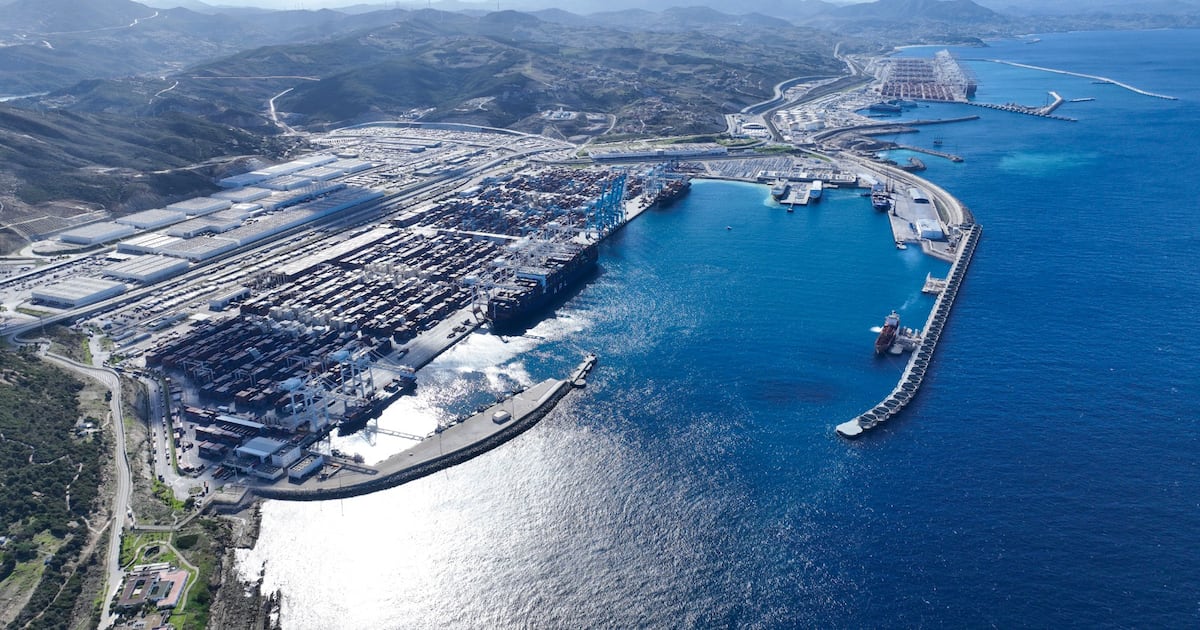
Morocco’s port system continues to attract the attention of major international partners. The Japan International Cooperation Agency (JICA) has now set a precise timeline for its involvement, after including Morocco in its future cooperation projects. According to JICA’s forecast of consultant contracts published on June 24, 2026, a mission will deploy from September 2, 2026, to February 26, 2027, following a call for tenders scheduled for July 1, 2026. The objective is to assess the development prospects of Tanger Med, the Port of Casablanca, and the entire national port network.
The document highlights that Tanger Med and Casablanca are Morocco’s primary ports, situated at the heart of international logistics networks and handling approximately 98% of the country’s foreign trade. This position gives Moroccan port infrastructure strategic importance in supply chains linking Europe, Africa, and major global markets.
JICA’s interest goes well beyond technical expertise. The terms of reference indicate a desire to support a port system that will sustain the next phases of the kingdom’s economic development.
The document notes that Morocco’s port strategy aims to upgrade infrastructure, accelerate digitalization, pursue decarbonization, and strengthen the country’s role as a platform connecting Europe and Africa. The mission will measure progress already achieved and identify adjustments needed to keep pace with evolving international trade.
This approach confirms that port competitiveness no longer depends solely on physical terminal capacity. It also relies on the ability to integrate new environmental, digital, and technological demands that are progressively reshaping global maritime transport.
Preparing for tomorrow’s trade needs
A major part of the work will focus on future changes in trade flows. Experts will develop freight traffic forecasts, analyze expansion projects, review layout plans, and assess port management organization.
The mandate also includes an analysis of relevant institutions, the responsibilities of each stakeholder, and the land and maritime connections linking Moroccan ports to key European and African markets. The goal is to verify whether current infrastructure aligns with the future needs of the national economy.
This analysis should lead to a development strategy accompanied by an execution plan designed to strengthen coherence among investments, governance, and trade evolution.
Environmental transition is a central element of this mission. Consultants will identify policies already implemented in Moroccan ports, evaluate measures to reduce carbon emissions, and assess initiatives to improve energy efficiency.
In parallel, JICA requests a thorough review of port operation digitalization. The document calls for examining the digitalization of port management, synchronization of vessel arrivals according to Just-in-Time principles, cybersecurity measures, and actions contributing to carbon neutrality.
This combination of digitalization and operational optimization aims to streamline port calls, reduce vessel waiting times, and improve overall port platform efficiency.
Strengthened technological cooperation with Japan
The mission also includes a strong forward-looking dimension. Beyond the diagnosis, JICA must identify areas where cooperation with Japan would add value.
The mandate calls for drawing up a list of projects that could use Japanese equipment, digital solutions, and technologies to improve Moroccan port operations and accelerate decarbonization. A pilot phase will test certain solutions before presenting them to Moroccan authorities in a dedicated workshop.
The document further specifies that the study will involve specialists in port planning, digital transformation, decarbonization, and cybersecurity. Representing 6.61 person-months, this mission remains a preparatory project whose content may evolve before the final call for tenders is published.
Beyond its technical nature, this initiative illustrates the strong interest that Morocco’s port system generates among leading international partners.
By choosing to simultaneously evaluate infrastructure, governance, digital technologies, environmental requirements, and traffic prospects, JICA places the kingdom’s ports within a long-term reflection on their ability to support changes in world trade and consolidate Morocco’s position as a logistics platform between Europe and Africa.


 Mariama Hamani