Boureima Amadou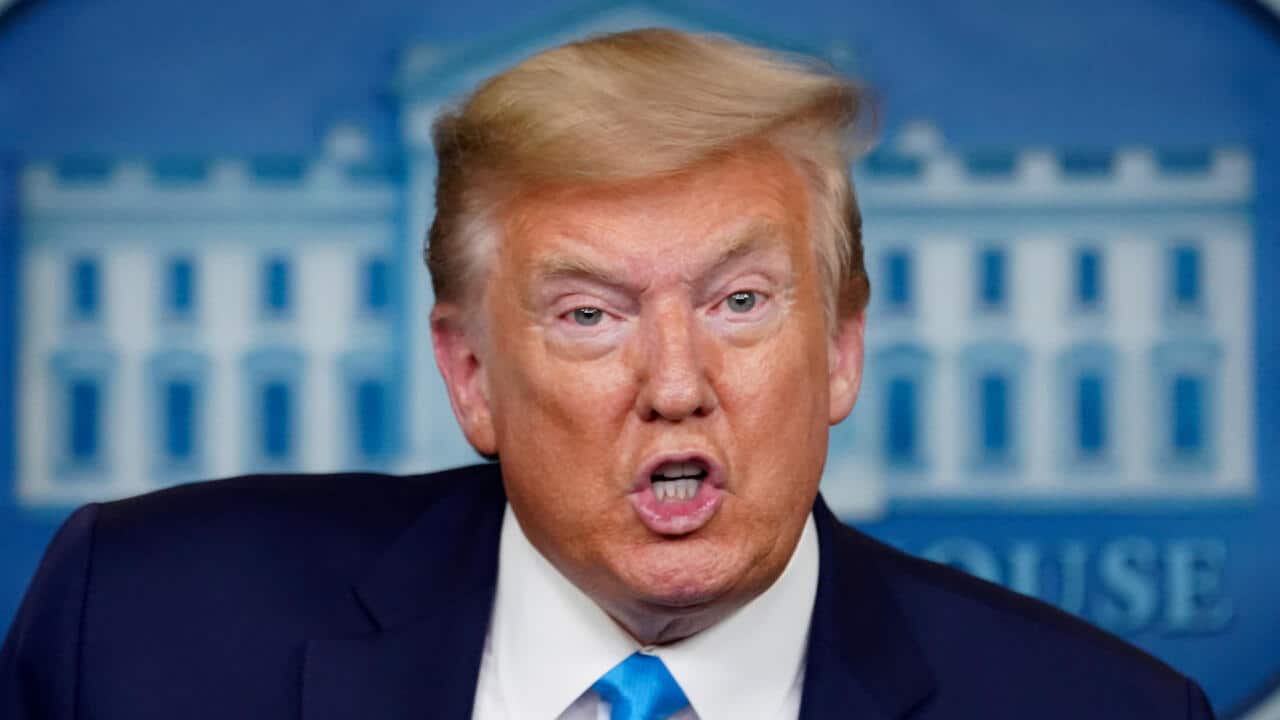
trump’s africa strategy: Cameroon at the heart of us efforts to counter China
During his initial term, Donald Trump fundamentally reshaped United States foreign policy, prioritizing a strategic confrontation with China, which he views as the primary challenger to American global leadership.
From his first administration, Donald Trump has strategically realigned United States policy to directly counter China, which he identifies as the primary rival to American global dominance.
The Trump administration has elevated the reduction of dependence on Chinese rare earths to an absolute strategic imperative. To spearhead this initiative, Washington is leveraging the capabilities of GreenMet, a key player in the sector.
Drew Horn, the CEO of GreenMet and a former senior national security advisor to the Director of National Intelligence under Trump, recently undertook a low-profile visit to Yaoundé. Horn represents the visible face of an expansive American program, whose core associates include former close collaborators and trusted figures from Donald Trump’s inner circle, such as Georges Sorial, his former legal counsel, and Keith Schiller, the former Director of Security for the Trump Organization.
Central to this American strategy, championed by Drew Horn and GreenMet, was the presence of a high-level US delegation in Cameroon to formalize Memoranda of Understanding (MoU). While the specifics of these agreements have not been publicly disclosed by the American group, it is understood that American Renaissance Minerals (ARM), a company directly affiliated with GreenMet, has secured a leading position in the significant Nkamouna nickel and cobalt project. Furthermore, Washington’s strategic interests in Cameroon extend to the nation’s vital rare earth deposits.
Donald Trump’s commitment to his objectives in Cameroon is evident in his decision to circumvent congressional restrictions that had excluded Cameroon from the African Growth and Opportunity Act (AGOA). The former US president is now utilizing the American Chamber of Commerce (AmCham) in Cameroon as a primary conduit for trade agreements.
In contrast to China’s extensive presence in the Democratic Republic of Congo’s strategic mineral sector, the United States, which seeks to invest in mineral processing to mitigate carbon emissions at home, has made its support to the Cameroonian government contingent upon enhanced transparency in both extractive industries and legal frameworks.
US intelligence agencies reportedly became involved following revelations from the Extractive Industries Transparency Initiative (ITIE) concerning illicit gold trafficking. Washington is actively collaborating with Yaoundé to identify and expose those involved in this illicit exploitation.
The United States’ engagement is not limited to economic and security matters. American diplomacy has significantly reduced the number of African nations eligible for US visas, with Cameroon notably remaining among the 20 selected countries out of 50 across the continent. On the security front, President Paul Biya hosted General Dagvin Anderson, then AFRICOM commander, in September 2025, followed by Lieutenant-General John William Brennan Jr., AFRICOM’s deputy commander, in May 2026, both visits occurring within an eight-month span.
Improving the business climate stands as a critical priority for Washington. As Christopher Lamora, a US diplomat, articulated earlier this year after a meeting with President Paul Biya: “I genuinely desire to see more American companies invest in Cameroon, cultivate commercial relationships, and forge partnerships, including joint ventures between American and Cameroonian entities. This benefits both nations: it generates employment in the United States, bolsters American industry – a key focus for President Trump – and simultaneously invigorates the Cameroonian economy.”
Washington is determined to meet the challenge posed by China, which has invested over $700 billion across 49 African nations. Some analysts observing Trump’s foreign policy interpret his overarching strategy as an ambition to transform target nations like Cameroon, Nigeria, and Kenya, mirroring the economic ascendance once experienced by the

Boureima Amadou
Reporter
Mariama Hamani
- Authoritarian Regimes & Africa
- September 1, 2026
- 66 views
Niger: Tiani’s regime confronts internal challenge three years after seizing power
Following a recent attempted coup on August 29, the Nigerien leadership appears more vulnerable than ever. The direct involvement of Russian forces and announced military backing from Algeria stand in…
- Authoritarian Regimes & Africa
- August 31, 2026
- 72 views
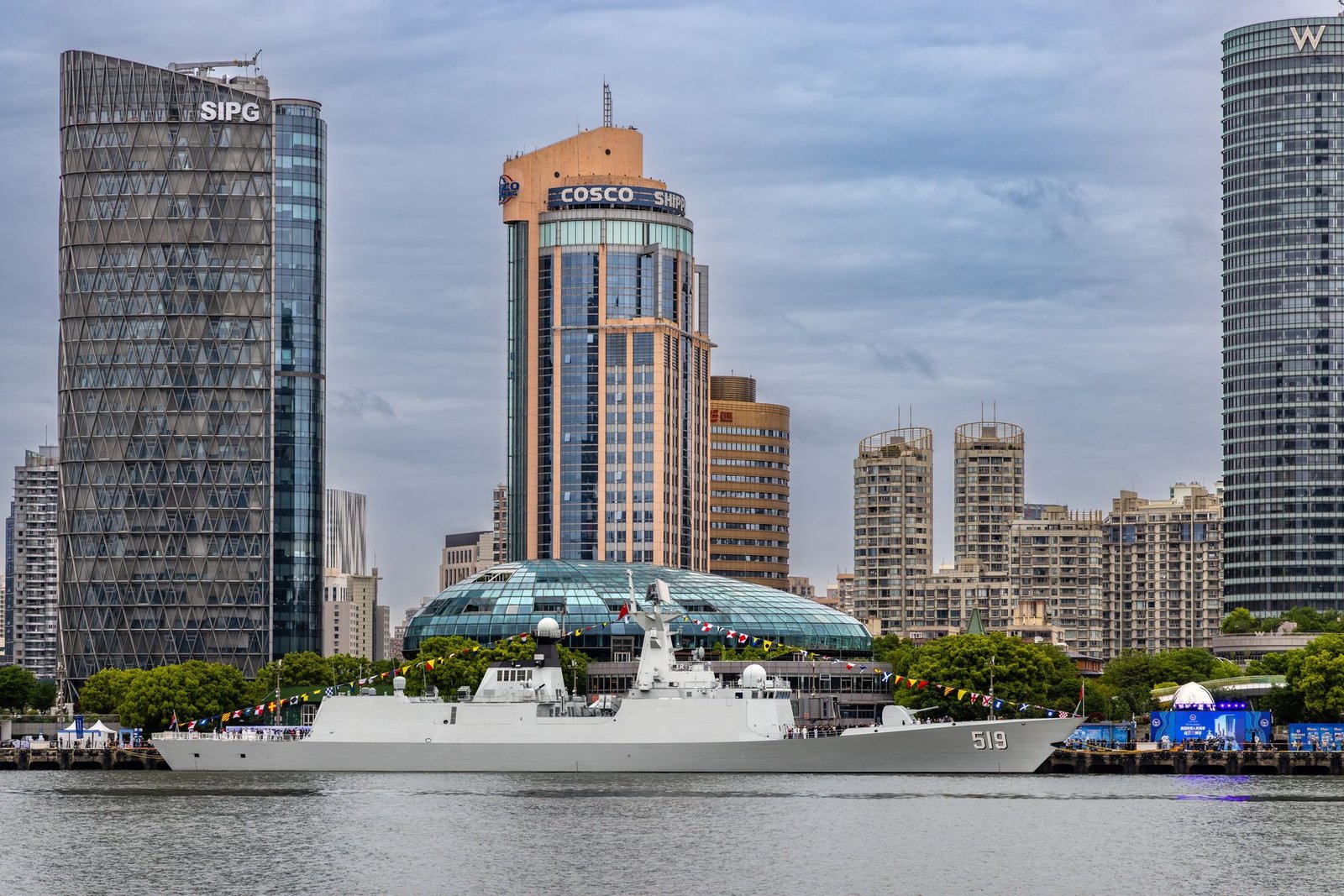
China’s growing military influence in Gabon
Military collaboration between China and Gabon is advancing significantly with the recent arrival of a Chinese defense attaché in Libreville. This development unfolds amidst sensitive infrastructure projects, including a proposed…
Emergency evacuation underway after mid-afternoon fire halts Spain’s Madrid-Barcelona high-speed rail service

Rwanda set to host decade-long Formula 1 Grand Prix from early 2030s

Mali allocates 121 million FCFA to migrant reintegration projects amid transparency concerns

Benin’s FIC 2026 delivers blueprint for practical urban improvements

Senegal’s accountability push: Ousmane Sonko sets uncompromising standard for public officials

Kabila’s FRN leadership reshapes Congo’s rebel alliance amid Rwanda tensions