Boureima Amadou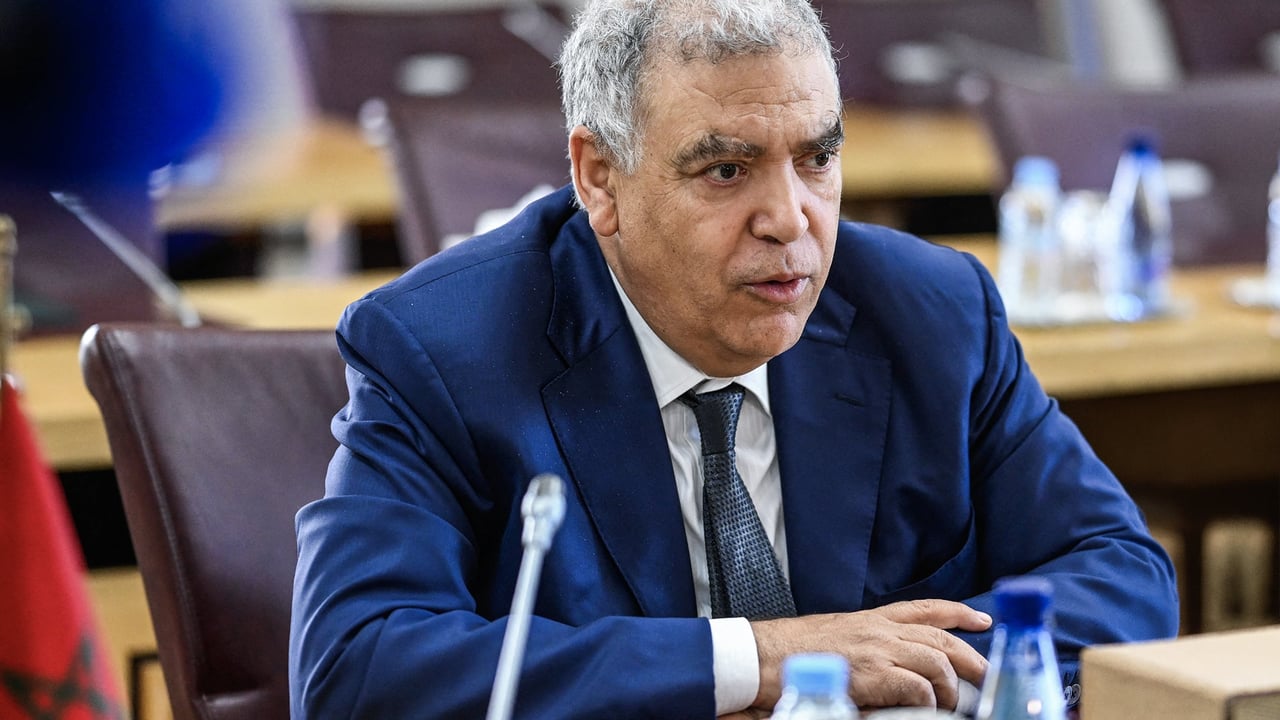

Morocco pushes ahead with regionalization as Western Sahara talks stall
While international negotiations over the Western Sahara dispute remain gridlocked, Morocco is making significant strides in strengthening its domestic governance framework. The latest move comes as Abdelouafi Laftit, the country’s Interior Minister, advances a bold legislative proposal aimed at deepening regional autonomy.
The draft law, currently under review, seeks to empower local governments with greater decision-making authority over economic and social development. Observers note this initiative reflects a strategic shift in Rabat’s approach to managing its territorial challenges while navigating stalled diplomatic processes.
Key provisions of the regionalization plan
The proposed legislation outlines several transformative measures designed to reshape Morocco’s administrative landscape:
- Enhanced fiscal decentralization: Regions will gain more control over budget allocation and revenue generation, fostering tailored economic growth strategies.
- Expanded local governance: Elected councils will receive broader powers in areas like infrastructure, education, and healthcare, aligning with the Kingdom’s Vision 2030 development goals.
- Strengthened institutional coordination: A new framework will streamline collaboration between central and regional authorities, reducing bureaucratic bottlenecks.
Proponents argue these reforms could improve service delivery and public accountability, particularly in southern provinces where Western Sahara’s status remains a contentious issue. Critics, however, question whether such measures will adequately address the underlying political tensions.
Reactions from political circles
Morocco’s political landscape has responded with cautious optimism to the regionalization push. King Mohammed VI has publicly endorsed the initiative, emphasizing its potential to modernize governance and reinforce national unity. In a recent address, he highlighted the importance of inclusive development in addressing regional disparities.
Opposition voices, while acknowledging the need for administrative reform, have raised concerns about the pace of implementation and potential exclusion of key stakeholders. Some analysts suggest the timing of these reforms may be strategically linked to broader geopolitical dynamics in North Africa.
Regional implications and future outlook
The Western Sahara conflict has long overshadowed Morocco’s domestic policies, but the new regionalization plan signals a potential recalibration of priorities. By strengthening internal governance structures, Rabat appears to be hedging against prolonged diplomatic stagnation while positioning itself as a model of stability in the region.
As the legislative process unfolds, all eyes will be on how these reforms interact with ongoing international efforts. The success or failure of this initiative could significantly influence Morocco’s approach to territorial disputes and its broader role in African governance.

 Mariama Hamani