Boureima Amadou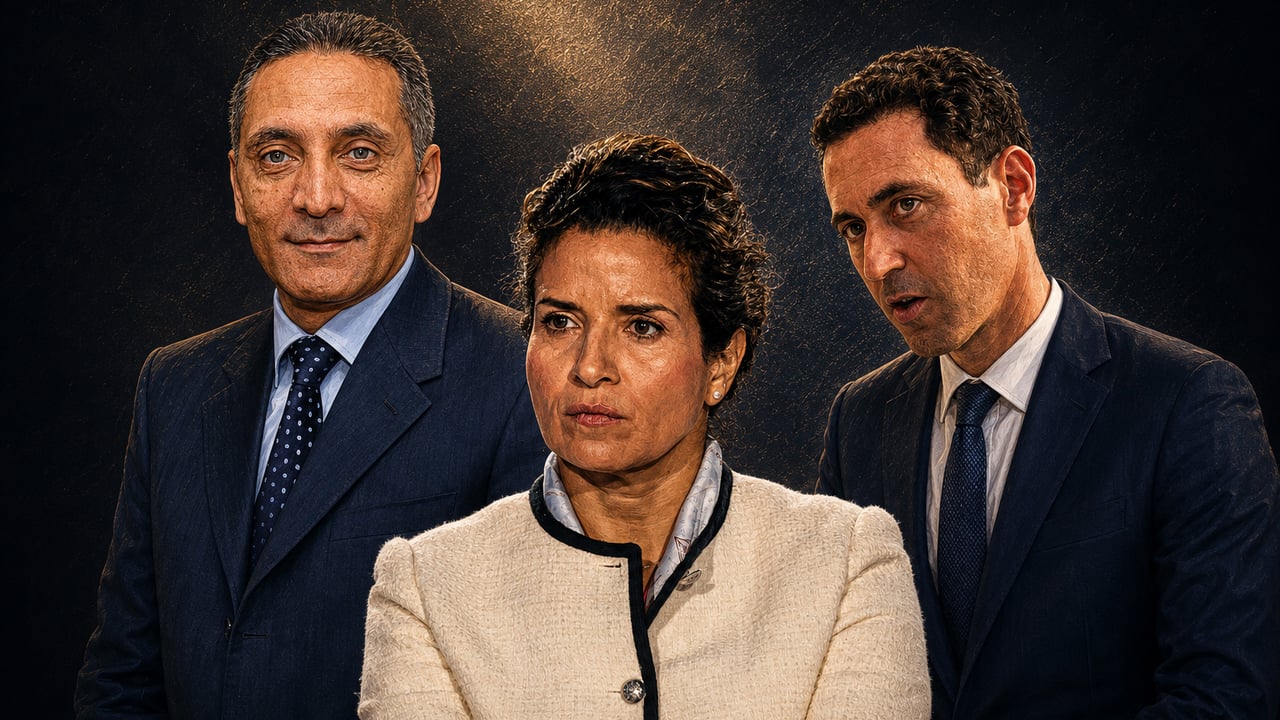
As Morocco braces for a pivotal legislative vote in September 2026, a new political landscape is taking shape around the corridors of power in Rabat. With Prime Minister Aziz Akhannouch’s mandate nearing its end, speculation swirls around potential successors who could steer the kingdom’s next chapter. While established figures command attention, a wave of outsiders is quietly positioning themselves for the top job at the Mechouar Saïd.
Beyond the usual suspects: who could emerge?
The race for Morocco’s premiership is no longer confined to familiar faces with entrenched party loyalties. A fresh wave of candidates, each bringing distinct perspectives and backgrounds, is reshaping the debate over governance for the North African nation. These figures represent not just political ambition, but also the evolving priorities of Moroccan society ahead of a transformative electoral cycle.
Profiles of the rising contenders
- Mostafa Terrab – A seasoned administrator known for his leadership in state-owned enterprises, his name often surfaces in discussions about technocratic governance. With decades of experience in strategic sectors, he embodies a bridge between economic pragmatism and political continuity.
- Nizar Baraka – A veteran politician with deep roots in economic policymaking, his influence spans multiple portfolios. As a key architect of Morocco’s recent reforms, he appeals to those advocating for gradual but meaningful change within the establishment.
- Abdelouafi Laftit – A longtime figure in Morocco’s interior ministry, he is closely associated with security and administrative reforms. His profile resonates with voters prioritizing stability and institutional strength in turbulent regional times.
- Younes Sekkouri – Once a minister under Akhannouch’s government, he has carved a niche as a reform-minded voice within the ruling coalition. His ability to navigate complex political alliances could position him as a unifying figure.
- Nadia Fettah Alaoui – A trailblazer in Moroccan politics, she has broken barriers as one of the few women to hold high-level ministerial roles. Her candidacy signals a push for greater gender representation in leadership.
- Fouzi Lekjaâ – A businessman-turned-politician, he represents the growing intersection of private sector acumen and public service. His potential rise reflects Morocco’s evolving economic priorities.
What’s at stake for Morocco?
The outcome of this leadership transition will shape Morocco’s trajectory in the coming years. Will the next prime minister prioritize economic diversification, social equity, or regional cooperation? The answer may hinge on which outsider—or insider—ultimately secures the mandate from King Mohammed VI. As the September vote approaches, all eyes remain on these figures and their visions for the kingdom’s future.