Mariama Hamani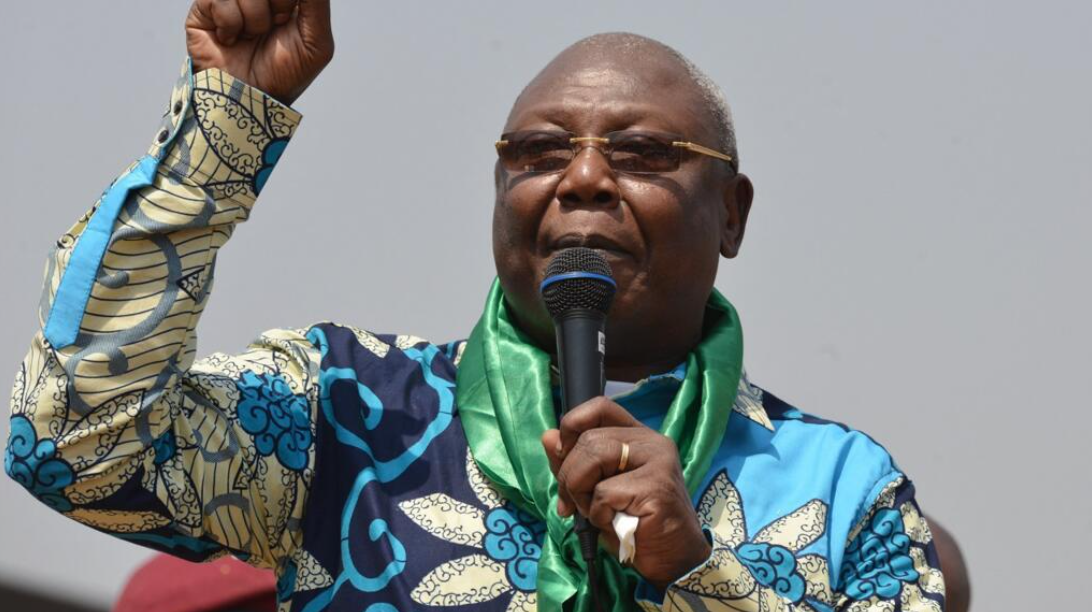
More than two weeks following the inauguration of Faustin Archange Touadéra, an event that marked the commencement of the Seventh Republic, Martin Ziguélé, a former head of government and leader of the MLPC party, has once again voiced his concerns. His commentary emerges amidst a highly charged political atmosphere, where significant tensions persist between the incumbent administration and the opposition.
Speaking from Bangui, Ziguélé presented a deeply troubling evaluation of the nation’s state. He contends that after a decade under the current regime’s governance, the daily lives of citizens in the Central African Republic show no signs of improvement. He underscored the critical necessity for a genuine dialogue to be initiated between political leaders and civil society stakeholders, deeming such an exchange vital to reverse the prevailing negative trends.
To support his argument, the opposition figure highlighted alarming statistics concerning poverty. Referencing a 2016 benchmark, over half of the population was living below the poverty line, subsisting on less than 1,000 CFA francs daily. Projections indicate this figure could rise to approximately two-thirds of inhabitants by 2026. Compounding these issues are systemic challenges such as inadequate access to clean water and electricity, severely deteriorated transportation networks, and the proliferation of illicit checkpoints along the roads.
Ziguélé further pointed to the decline of key agricultural sectors as a clear indicator of the country’s economic regression. Once-thriving productions have collapsed dramatically; for instance, cotton cultivation, which previously neared 100,000 tonnes, now hovers around a mere 2,000 tonnes. Furthermore, historical crops like coffee no longer provide reliable production statistics. Given these circumstances, Ziguélé firmly believes that national recovery hinges on a comprehensive political and economic overhaul.
Dialogue: an essential path forward for centrafrique
In his view, open discussion between political factions is not merely an option but an absolute imperative. He stressed that in any democratic framework, dialogue serves as a fundamental instrument for overcoming impasses and fostering progress. Ziguélé also drew attention to the fact that the majority of the population resides in rural areas, directly experiencing the harsh consequences of geographical isolation and the breakdown of vital production chains.
Following his inauguration on March 30, 2026, President Faustin Touadéra offered a positive review of his two previous terms, while simultaneously acknowledging significant challenges that lay ahead. However, Martin Ziguélé maintains that without broad, sincere, and inclusive consultation involving all active forces within the nation, it will prove exceedingly difficult to implement the critical reforms necessary for the Central African Republic’s much-needed revitalization.

 Boureima Amadou