Mariama Hamani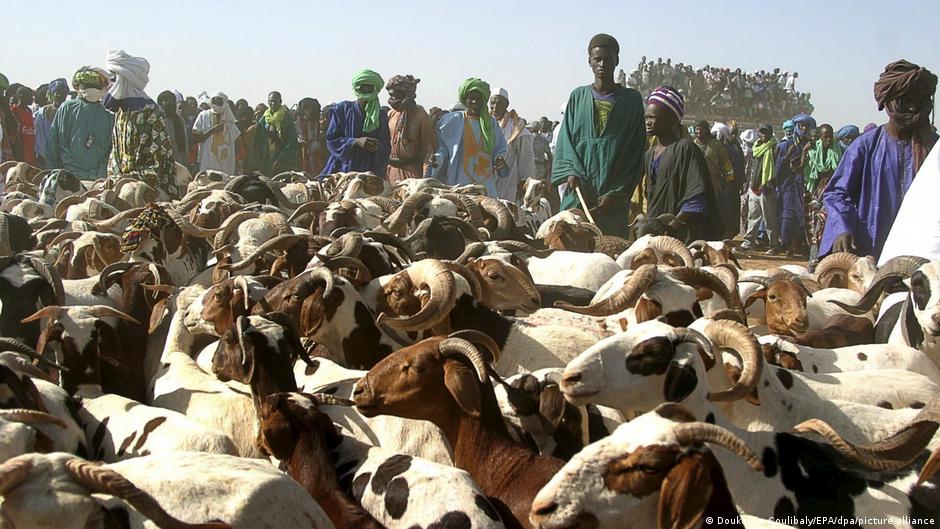
Malian army secures tabaski sheep supply for Bamako
Bamako is now bustling with sheep, readily available across its boulevards and even on local football pitches, in preparation for the upcoming Tabaski festival. This abundant supply marks a significant improvement from previous periods when deliveries were severely hampered by the blockade enforced by the Group for the Support of Islam and Muslims (Jnim).
The majority of these essential livestock arrived in the city under the protective watch of the Malian army. However, several trucks that attempted the journey without military escort unfortunately fell victim to jihadist attacks, resulting in their incineration and a subsequent surge in market prices for sheep.
Heightened insecurity on the Ségou-Bamako route
Since late April, the Ségou-Bamako route, specifically National Road 6 spanning over 200 kilometers, has become an increasingly perilous passage for travelers. Along this vital artery, Jnim jihadists, who maintain allegiance to Al-Qaeda, have been systematically torching both commercial and private vehicles, a tactic they refer to as the “blockade on Bamako.”
Army’s sustained efforts to dismantle the blockade
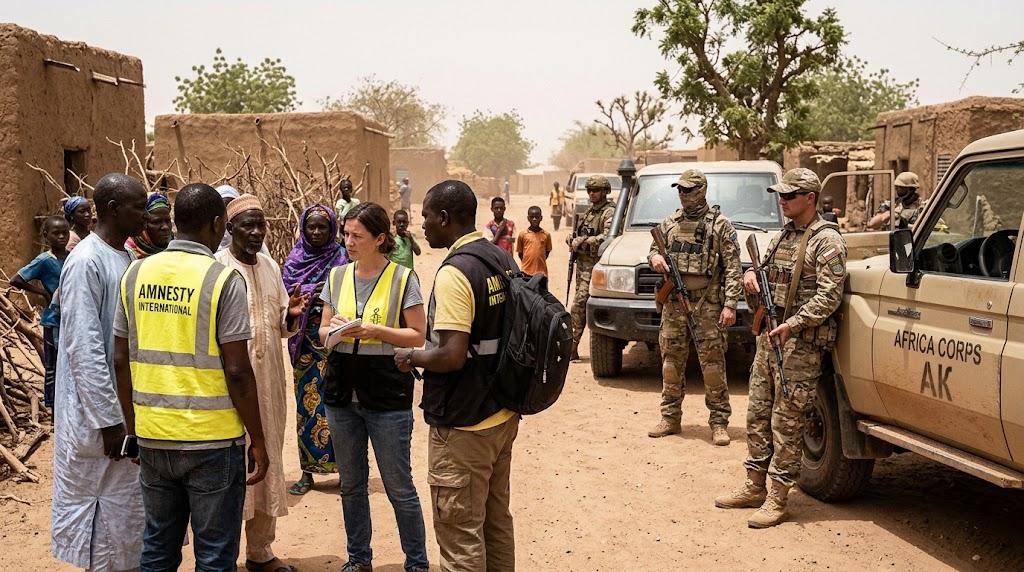
In the lead-up to the Tabaski festivities, the Malian army has intensified its operations, regularly conducting aerial strikes aimed at breaking the blockade. Furthermore, daily patrols and military escorts for convoys have been organized to secure the region and facilitate the movement of essential goods.
Despite the significant military deployment, armed terrorist groups continue to specifically target vehicles transporting sheep. An eyewitness account from a breeder arriving in Bamako on Monday, originating from the Ségou region, illustrates this ongoing threat:
« Near Zambougou, jihadists launched projectiles at our sheep-laden truck-trailer. The terrified driver immediately pulled over, attempting to safeguard both the passengers and the livestock. Moments later, the attackers completely torched the vehicle, along with all the luggage inside. From Zambougou, we were forced to walk several tens of kilometers to Konobougou. The following day, we managed to board a public transport bus to Bamako, thanks to a protective army escort provided between Konobougou and Zantiguila. »
Soaring prices impact consumers
These escalating attacks have had a direct impact on the cost of transporting sheep, which has surged from 2,000 CFA francs within the country’s interior to between 5,000 and 6,000 CFA francs for delivery to Bamako.
Vamory, a family patriarch I encountered, voiced his deep concern over these exorbitant prices. « This sheep you see, he explained, could have been purchased last year for 125,000 CFA francs. This year, we’re being quoted 175,000 CFA francs here in the Sans Fil district. Elsewhere in Bamako, the same animal demands 200,000 or even 250,000 CFA francs. I believe the road blockade has significantly contributed to this dramatic increase in sheep prices. We are all praying for the country’s stability. »
Government launches promotional sheep sales
In an effort to alleviate the financial burden on residents, the government is scheduled to officially launch promotional sheep sales tomorrow across the Bamako district.
These initiatives will involve selling livestock at significantly reduced prices. Designated sites for these promotional sales include the municipal grounds of Sogoniko, the Hippodrome, Torokorobougou, the Sahaba field in Lafiabougou, and the former AS Real field in Badialan I.


 Boureima Amadou