Boureima Amadou
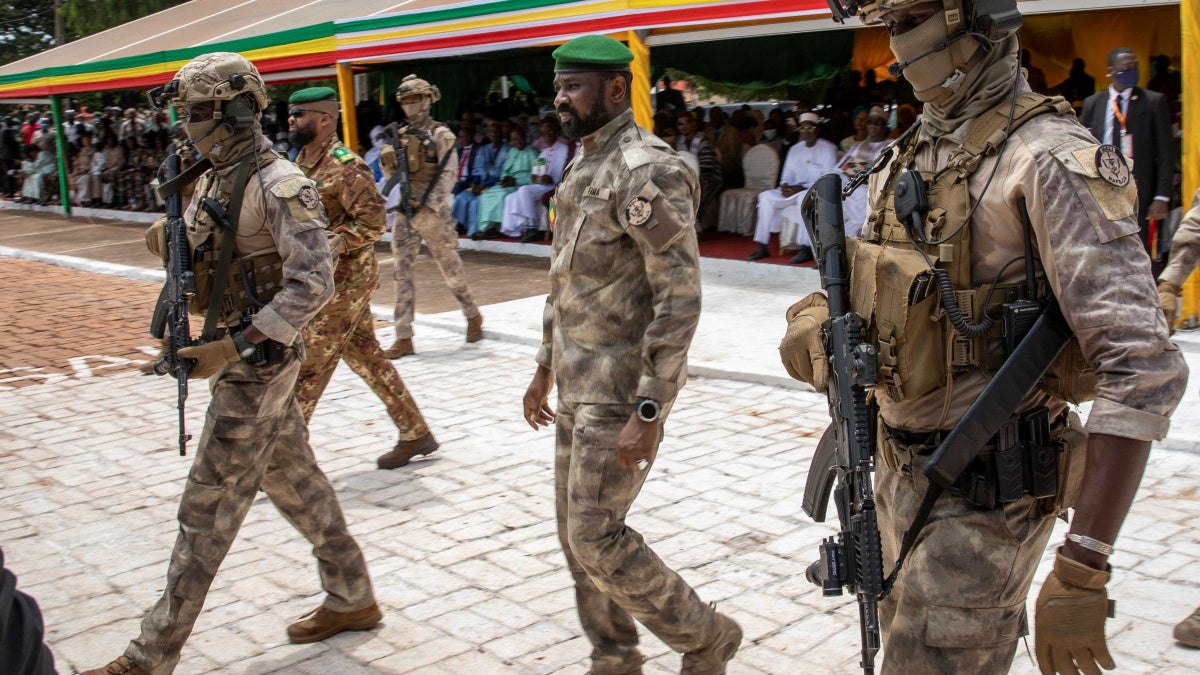
Mali’s government escalates suppression of dissent under military rule
The Mali government has recently dissolved the Association of Students and Pupils of Mali (AEEM), marking another step in its intensified clampdown on civil society. According to the Minister of Territorial Administration, the group was implicated in acts of violence and campus unrest, with security forces reportedly seizing weapons, drugs, and large sums of unexplained cash from its members in 2017 and 2018.
This decision follows the dissolution of three other organizations in recent months. On March 6, the Coordination of Movements, Associations, and Supporters of Imam Mahmoud Dicko was banned for allegedly undermining public security and calling for civilian-led elections. Earlier, on February 28, the political group Kaoural Renouveau was dissolved for subversive and defamatory statements against the military junta. In December 2023, the Observatory for Elections and Good Governance was shut down after its president made remarks deemed likely to disrupt public order.
Military junta escalates restrictions on civic freedoms
Since seizing power in 2021, the Malian junta has systematically targeted civil society, peaceful dissent, political opposition, and media outlets, narrowing the country’s civic space. On March 4, security forces forcibly disappeared gendarmerie colonel Alpha Yaya Sangaré, who had recently published a book documenting alleged abuses by Malian armed forces.
The National Human Rights Commission of Mali issued a statement warning of serious threats to civic and political rights, particularly freedom of association. It condemned the systematic dissolution or suspension of political parties and associations. The United Nations High Commissioner for Human Rights echoed these concerns, highlighting the growing repression of civil society in a statement this week.
Call for immediate restoration of civil liberties
With Mali approaching three years under an unelected government, the need for a free and safe civic and political space—where individuals can organize, express opinions, and protest—has never been more urgent. Authorities must reverse the dissolution of these organizations and commit to upholding fundamental freedoms and human rights.

 Mariama Hamani