Mariama Hamani
Mali places multi-million CFA bounty on Iyad Ag Ghaly and allied jihadist commanders
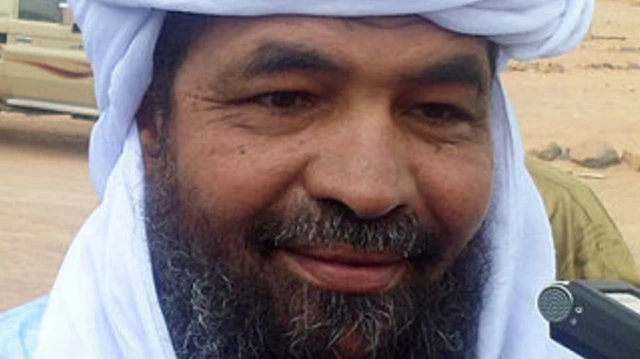
Mali’s transitional authorities have announced a landmark financial incentive program targeting key figures within the Jama’at Nusrat al-Islam wal-Muslimin (JNIM) and its allied Front de Libération de l’Azawad (FLA) factions. The move comes in direct response to coordinated militant operations in Kidal and Kati that left senior defense officials dead.
The initiative, disclosed through a televised statement by General Daoud Aly Mouhammedine, Mali’s Minister of Security and Civil Protection, offers rewards reaching 2 billion West African CFA francs for information leading to the capture or neutralization of Iyad Ag Ghaly, the emir of JNIM. Additional bounties of 1.5 billion CFA francs have been set for Amadou Koufa, leader of the Macina Katiba, and Abdoulaye Mohamed (alias Habib), both senior commanders within the same faction. Political-military leader Algabas Ag Intallah of the FLA is targeted with a 1 billion CFA franc reward, while three other FLA commanders—Ghita, Bilal Chérif, and Abderrahmane Al Banna—each carry a 500 million CFA franc bounty.
Government directive prioritizes citizen cooperation
The announcement explicitly calls on Malian citizens to actively support national security forces by providing actionable intelligence. The statement emphasized that these seven individuals represent grave threats to national stability and must be brought to justice to restore peace and security across the country.
Who is Iyad Ag Ghaly?
Born in 1958 in Boghassa, a rural settlement near Kidal in northern Mali, Iyad Ag Ghaly emerged as a prominent Tuareg military figure long before his affiliation with global jihadist networks. His early career saw him enlist in the Libyan armed forces under Colonel Muammar Gaddafi, where he received combat training and participated in regional conflicts during the 1970s and 1980s.
Returning to Mali in the early 1990s, Ghaly became a key instigator of the first Tuareg rebellion through the Mouvement Populaire pour la Libération de l’Azawad (MPLA). He later transitioned to the Mouvement Populaire de l’Azawad (MPA), leading armed confrontations against the Malian state before negotiating a peace agreement in 1992.
By the late 2000s, Ghaly had fully embraced extremist ideology, forging ties with the Salafist Group for Preaching and Combat (GSPC), an al-Qaeda affiliate that would later evolve into Al-Qaeda in the Islamic Maghreb (AQIM). In 2012, he founded Ansar Dine, merging his forces with AQIM to impose strict sharia law across northern Mali during the subsequent conflict.
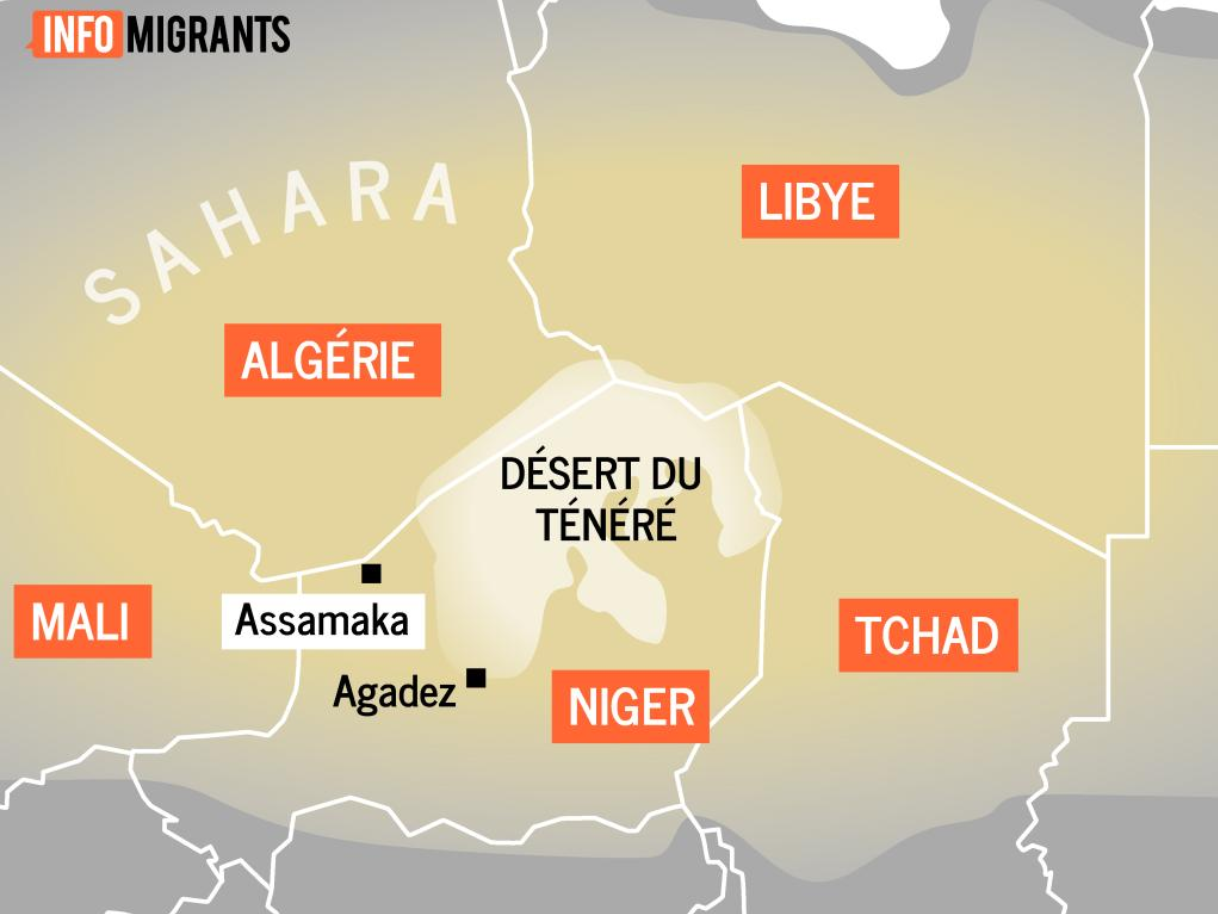
Five years later, Ghaly consolidated his leadership by establishing the Group for the Support of Islam and Muslims (JNIM), uniting several Malian jihadist factions under a single banner loyal to both AQIM and al-Qaeda. Today, JNIM operates as one of the most active militant organizations across the Sahel, executing attacks in Mali, Niger, and Burkina Faso as part of the Alliance of Sahel States (AES).
From battlefield commander to economic saboteur
Analysts note a strategic shift in Ghaly’s tactics over recent months. Rather than engaging directly with military forces, he now focuses on economic disruption—targeting critical infrastructure such as power lines, roads, and supply routes. These actions aim to cripple urban centers, particularly Bamako, by cutting off essential resources including food, fuel, and electricity. The objective appears less about territorial control and more about destabilizing the government through systemic societal pressure.
International observers have warned that such tactics represent a calculated effort to isolate the Malian administration and precipitate its collapse from within. The International Criminal Court (ICC) has issued an arrest warrant for Ghaly, accusing him of crimes against humanity and war crimes committed between 2012 and 2013 during the occupation of northern Mali.
Broader implications for Sahel security
The escalation in bounty amounts reflects growing urgency within Malian leadership to dismantle the operational networks sustaining these militant groups. With JNIM and FLA factions increasingly coordinating attacks, the government’s financial incentives signal a new phase in counterterrorism strategy—one that emphasizes civilian intelligence networks alongside traditional military operations.


 Boureima Amadou