Boureima Amadou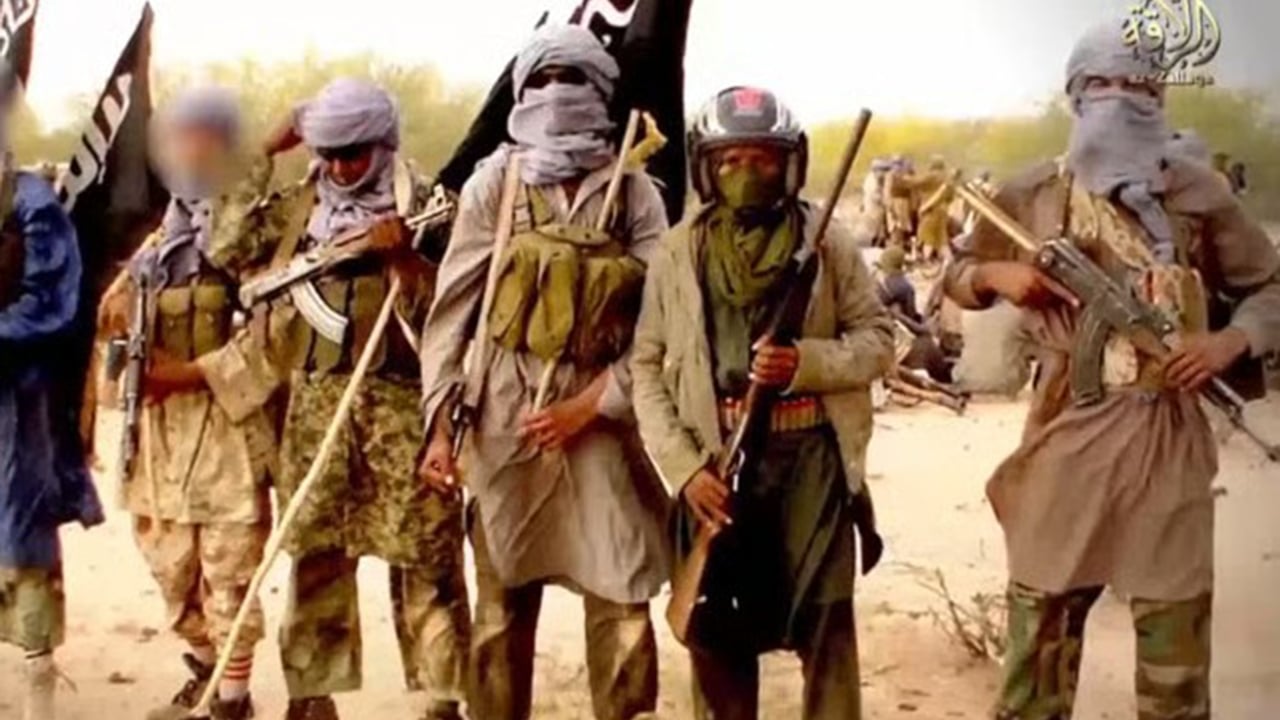

In the vast, mineral-rich expanses of northern Mali, a shadowy network of extremists has found a lucrative revenue stream—one that fuels their relentless campaign of violence across the region. The Group for the Support of Islam and Muslims (Jama’at Nusrat al-Islam wal Muslimin, Jnim), a coalition of militant Islamist factions, has systematically targeted Chinese-owned gold mining operations, imposing brutal extortion schemes that have become a cornerstone of their financial strategy.
Since consolidating their presence in the Sahel, these jihadist groups have shifted from traditional funding sources like kidnapping and smuggling to exploiting the booming artisanal gold mining industry. Their tactics are both sophisticated and ruthless: miners, particularly foreign operators from China, are subjected to systematic extortion under the threat of violence or destruction of their equipment. Reports from field investigations reveal that these payments—disguised as “protection fees”—are non-negotiable and enforced through a combination of intimidation and targeted attacks.
How jihadist extortion fuels terror campaigns
The financial toll of these operations is staggering. Over the past two years, gold mining sites in northern Mali have become battlegrounds where jihadists impose their will, extracting millions in local and foreign currencies from vulnerable operators. These funds are then diverted to procure weapons, recruit fighters, and sustain logistical networks that stretch across the Sahel.
The extortion mechanism operates in stages. First, armed cells identify potential targets, often focusing on larger, mechanized mining operations where profits are highest. Next, they issue ultimatums—either pay a monthly “tax” or face violent reprisals. Those who resist frequently encounter arson attacks on their processing plants, abductions of key personnel, or outright looting of extracted gold. For many Chinese firms, the choice is stark: pay up or abandon their investments entirely.
The impact extends beyond immediate financial losses. Entire mining communities live in fear, with local laborers caught in the crossfire. Some have been forced to abandon their livelihoods, while others have been coerced into providing logistical support to the militants. The ripple effects are felt across the regional economy, discouraging foreign investment and destabilizing fragile local governance structures.
Mali’s fragile stability under siege
The escalation of these extortion tactics coincides with a broader deterioration in Mali’s security landscape. Despite international peacekeeping efforts, the central government in Bamako struggles to assert control over vast swathes of territory, particularly in the north where the Jnim holds sway. The jihadist group’s financial independence has allowed it to expand its operations, launching coordinated attacks on military outposts and civilian convoys with alarming regularity.
Local authorities and international observers warn that the situation is reaching a critical juncture. Without decisive action to disrupt these illicit financial flows, the militants’ capacity to sustain and escalate their campaign will only grow. Meanwhile, the humanitarian toll continues to mount, with displaced communities and disrupted supply chains exacerbating an already dire situation.
For the Chinese mining firms operating in Mali, the dilemma is clear. Many have resorted to negotiating directly with intermediaries to minimize losses, while others have sought intervention from diplomatic channels. Yet, in an environment where state authority is tenuous, options remain limited. The question now is whether the international community can find a way to cut off this lifeline before the jihadists’ war machine gains even more momentum.
What’s next for Mali’s gold fields?
The coming months will be decisive. As the dry season sets in, traditionally a period of heightened militant activity, the pressure on mining operations is expected to intensify. Security analysts suggest that unless robust countermeasures are implemented—ranging from enhanced surveillance to targeted strikes against extortion networks—the militants’ financial engine will continue to roar unchecked.
For the people of Mali, the stakes could not be higher. The gold beneath their feet, once a potential driver of prosperity, has become a curse—a resource that now fuels the very forces tearing their nation apart. The fight to reclaim these riches from the grip of terror is not just a battle for economic survival; it is a fight for the future of an entire country.


 Mariama Hamani