Mariama Hamani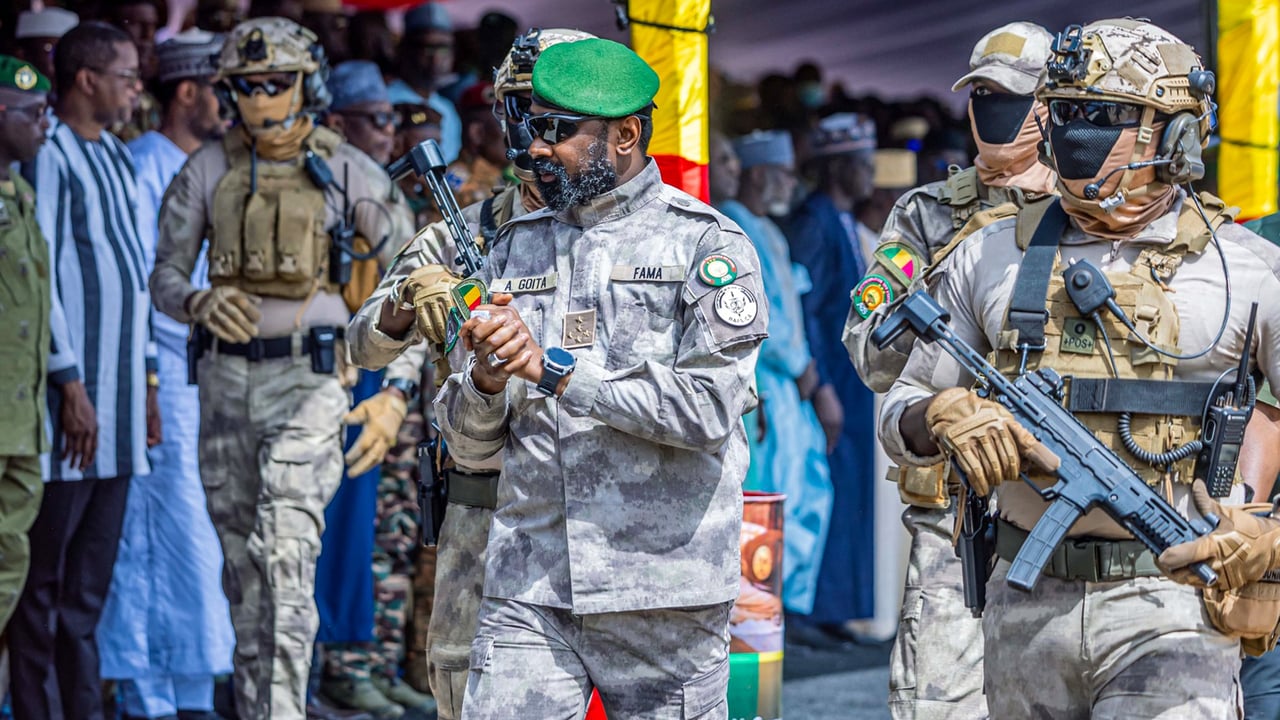

The April 25 attacks in Bamako marked a turning point in Mali’s political landscape, prompting Colonel Assimi Goïta to take decisive steps to strengthen his authority. As the dust settled over the capital, the transitional leader moved swiftly to reshape the nation’s power structures, leveraging the crisis to consolidate control.
From crisis to control: Goïta’s strategic reshuffle
In the aftermath of the coordinated assaults, Goïta orchestrated a series of high-level changes that reshaped Mali’s military and political hierarchy. Within days, key figures aligned with the previous administration were sidelined, making way for a new wave of leaders drawn from his inner circle. This strategic maneuver not only reinforced his grip on power but also sent a clear message about his vision for the country’s future.
The transitional president’s actions underscored a bold approach to governance. By mid-May, the reshuffle had extended beyond the military, encompassing civilian institutions as well. Positions previously held by opponents were reassigned to loyalists, ensuring that every branch of government operated under his direct influence.
Public support and the narrative of stability
Goïta’s consolidation efforts were not limited to internal restructuring. He skillfully crafted a narrative that positioned him as the guardian of Mali’s security and stability. Public appearances, including his presence at the funeral of a prominent military figure, were carefully staged to project strength and resolve. These events were broadcast nationwide, reinforcing his image as a leader unafraid to confront challenges head-on.
The strategy extended to media narratives as well. State-controlled outlets amplified messages of unity and resilience, portraying Goïta’s leadership as essential in navigating the turbulent post-attack period. By controlling the flow of information, he ensured that public sentiment remained favorable toward his administration.
Regional implications and international reactions
The power shift in Bamako did not go unnoticed beyond Mali’s borders. Neighboring countries and international observers closely monitored the developments, assessing the potential impact on regional security. While some expressed concern over the authoritarian undertones of Goïta’s moves, others acknowledged the need for decisive leadership in the face of ongoing threats.
The Africa Corps, a regional security initiative, found itself at a crossroads. Its role in supporting Mali during this critical period became a point of contention, with debates emerging over the extent of foreign involvement in the country’s internal affairs. Meanwhile, discussions about Mali’s relationship with external partners, including Vladimir Putin, gained prominence as analysts weighed the implications of these alliances on the nation’s sovereignty.
The rise of JNIM and the security backdrop
The April attacks were attributed to the Group for Support of Islam and Muslims (JNIM), a coalition of militant factions operating in the Sahel. The group’s bold actions highlighted the persistent security challenges facing Mali, further justifying Goïta’s push for stronger centralized control. By framing the crisis as an existential threat, he strengthened his argument for sweeping reforms, positioning himself as the sole figure capable of safeguarding the nation.
As Mali navigates this pivotal moment, the long-term consequences of Goïta’s consolidation efforts remain uncertain. While his supporters praise his bold leadership, critics warn of the dangers of unchecked authority. One thing is clear: the events of April 25 have irrevocably altered Mali’s political trajectory, leaving the nation at a crossroads between stability and authoritarianism.


 Boureima Amadou