Mariama Hamani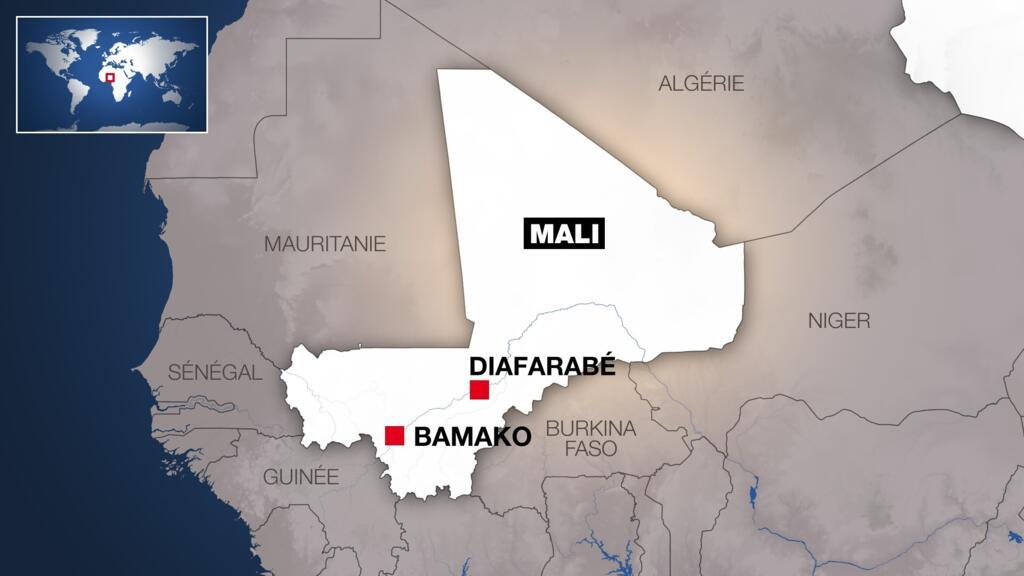
Mali faces dire humanitarian crisis amid jihadist blockade and government intransigence
The Malian government remains steadfast in its refusal to engage in dialogue with armed jihadist groups controlling parts of the country, despite mounting pleas from both citizens and political figures. This hardline stance comes as the humanitarian situation deteriorates rapidly, with civilians bearing the brunt of the crisis.
Government maintains zero-tolerance policy against armed groups
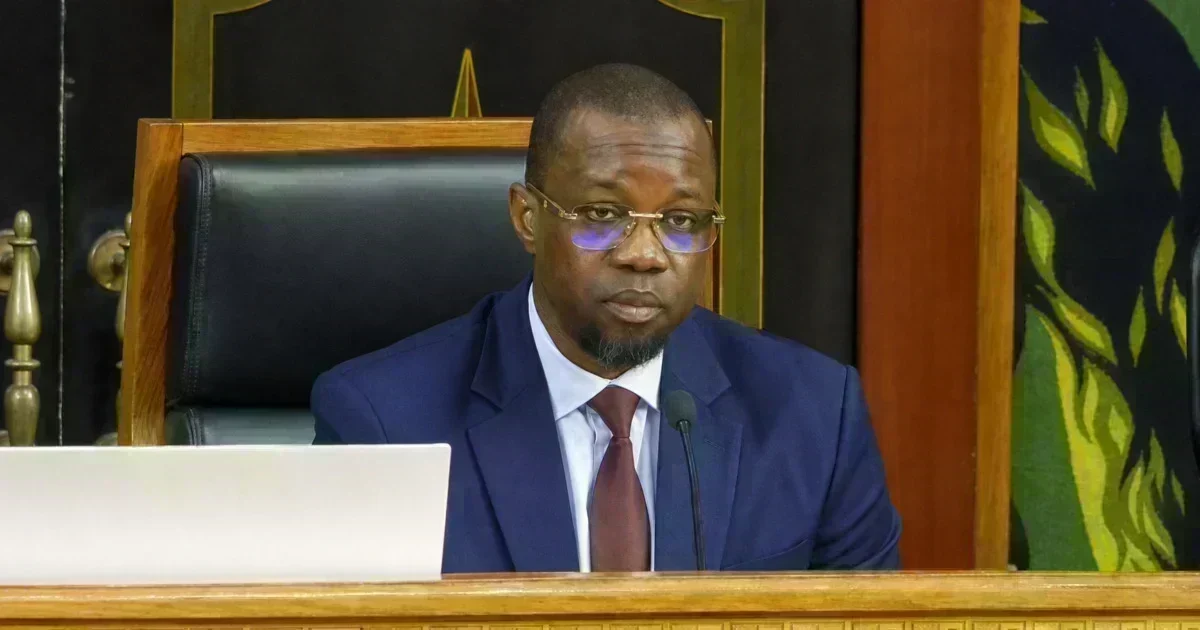
During a diplomatic briefing, Malian Foreign Minister Abdoulaye Diop categorically ruled out any negotiations with what he termed “lawless terrorist organizations” responsible for years of suffering among the population. “We will not engage in dialogue with these groups,” Diop stated, emphasizing that military action remains the only viable strategy.
The government has recently bolstered its military capabilities with new shipments of Russian equipment, according to regional correspondent Serge Daniel. This military reinforcement aims to reclaim strategic zones, particularly in the northern region of Kidal, currently under jihadist control.
Humanitarian catastrophe deepens as blockade tightens
The blockade imposed by jihadist factions has paralyzed critical supply routes, leaving communities stranded. In Diafarabé (Mopti region), residents have endured nearly a year of complete isolation since May 12, 2025. Food stocks are exhausted, medical supplies are critically low, and healthcare services have collapsed. A local resident described the situation as “total famine,” with families surviving on sheer desperation.
“No one can enter or leave. The blockade is absolute. Our food reserves are gone. Famine is setting in.” The witness recalled previous attempts to smuggle supplies via river routes, despite extreme risks. “I was shot and lost the use of my arm during one attempt. Now, it’s a fight for survival.”
International appeals fall on deaf ears
Local leaders have repeatedly urged authorities to intervene, but their pleas have gone unanswered. Social media videos showing starving children and desperate families have failed to prompt immediate action from the transitional government. The lack of humanitarian corridors exacerbates the crisis, with aid convoys delayed indefinitely.
Military strategy intensifies but civilians pay the price
In the north, Malian forces—backed by Russian mercenaries—have redeployed to Aguelok, a key location near Kidal, after abandoning two nearby towns. The objective is clear: retake Kidal and restore government control. Meanwhile, in southern Mali, efforts to reopen blocked highways remain stalled, leaving thousands of vehicles stranded.
The government’s uncompromising approach, while aimed at defeating armed groups, has left civilians in a state of acute vulnerability. With no end to the blockade in sight, the humanitarian toll continues to rise, raising urgent questions about the government’s strategy and its impact on the most vulnerable populations.

 Boureima Amadou