Boureima Amadou
Evaluating pathways to political resolution in Mali’s escalating crisis
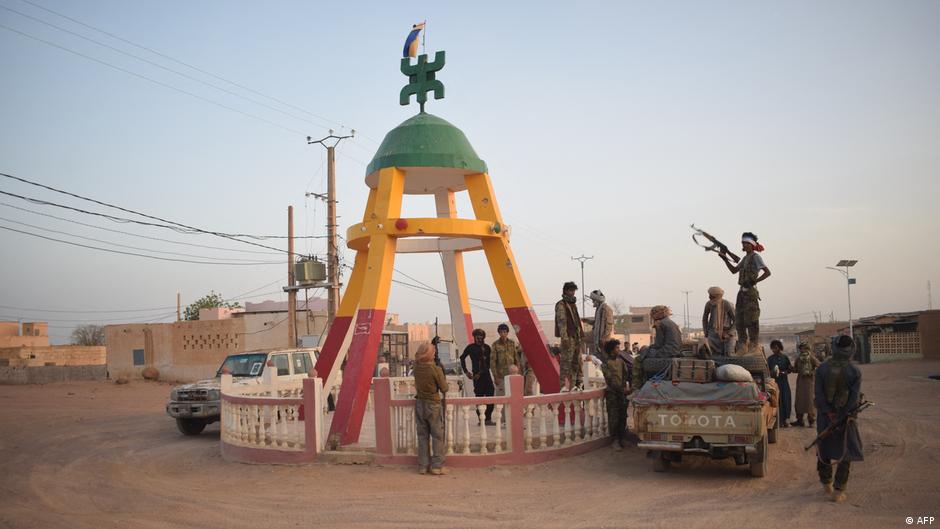
The recent surge in coordinated attacks across Mali has intensified debates over whether a political solution can restore stability. From Bamako to Kidal, Gao to Sévaré, simultaneous offensives have reshaped the security landscape, prompting urgent discussions among analysts and policymakers.
The Front de Libération de l’Azawad (FLA) and the Groupe de soutien à l’islam et aux musulmans (JNIM) have claimed responsibility for the assaults, targeting key military and civilian hubs. Meanwhile, the transitional government, led by General Assimi Goïta, has re-emerged following three days of silence, reaffirming its strategic alignment with Moscow. The Malian leader publicly praised “the strength of cooperation with the Russian Federation”, a partnership that continues to draw international scrutiny.
However, behind the diplomatic rhetoric lies a stark reality: the Africa Corps mercenaries, previously deployed in Kidal, are now negotiating their withdrawal. The FLA has demanded their complete exit from Mali, signaling a deeper confrontation over territorial control and sovereignty.
Amidst the turmoil, Mali paid tribute to Defense Minister General Sadio Camara, killed in a jihadist raid on his residence. The loss underscores the persistent threats facing the country’s leadership and the civilian population alike.
As the nation grapples with these challenges, experts are weighing in on the feasibility of political solutions. The conversation, moderated by Éric Topona, brought together voices from across Mali’s intellectual and civil society spectrum:
- Étienne Fakaba Sissoko, economist and spokesperson for the Coalition des forces pour la République (CFR), whose works dissect governance challenges in post-coup regimes.
- Tiambel Guimayara, journalist and editor-in-chief of LaVoix du Mali, offering on-the-ground perspectives.
- Frederic Samy Passalet, writer and conflict prevention researcher, known for his analysis of foreign influence in African politics.
- Teehl Loé Konaté, project coordinator and Pan-African affairs analyst, bridging historical and geopolitical insights.
Can diplomacy overcome the deep-rooted divisions tearing Mali apart? The debate remains open, but one thing is clear: the path forward demands more than military posturing—it requires genuine political will and inclusive dialogue.

 Mariama Hamani