Boureima Amadou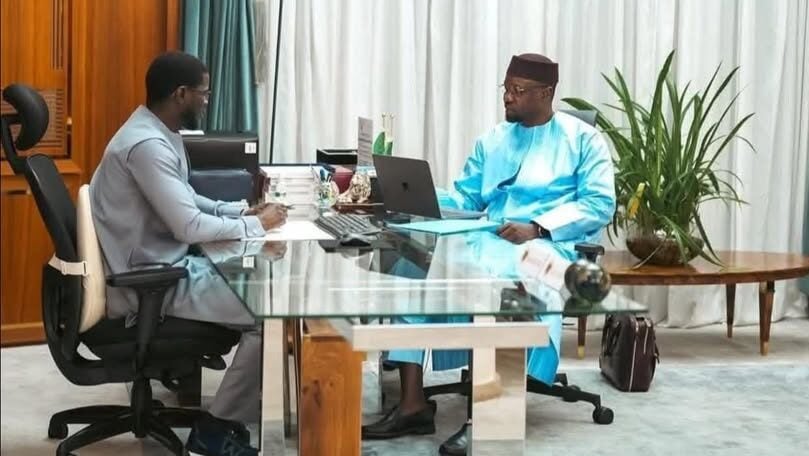
Senegal’s 2029 Election: President Faye’s Reforms Pave Way for Sonko’s Bid
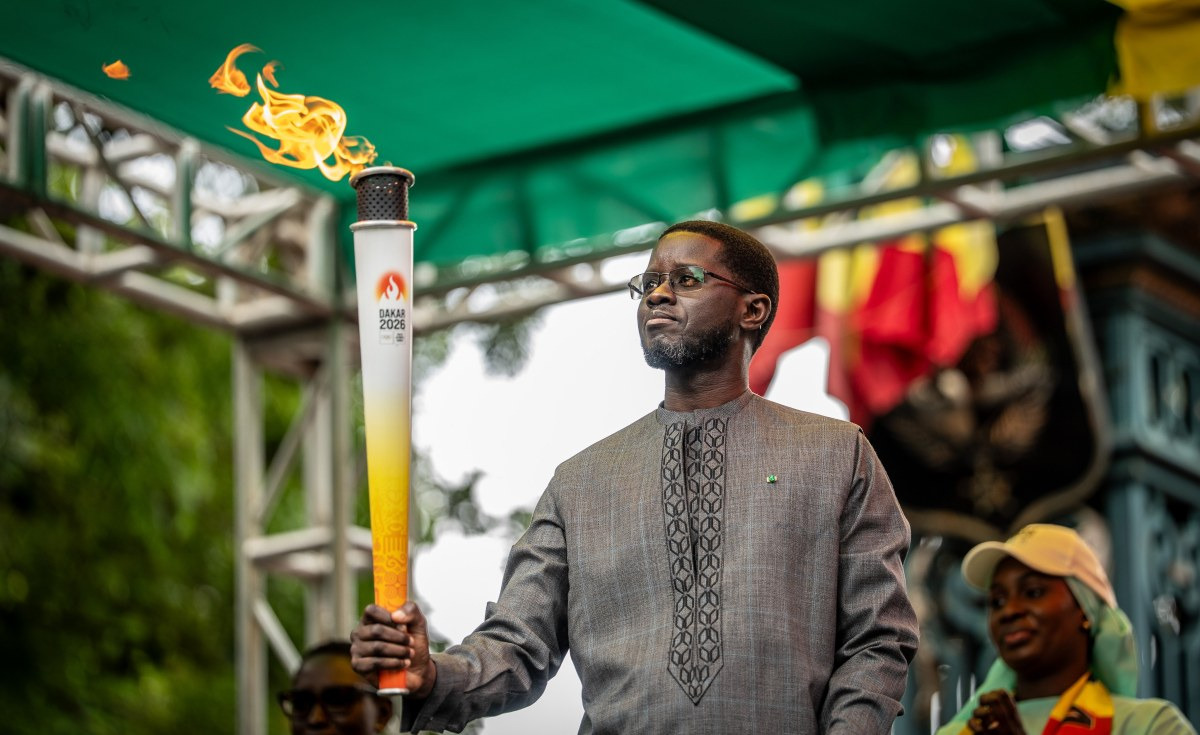
President Bassirou Diomaye Faye of Senegal has signed a contentious electoral reform bill into law, sending shockwaves through the Pastef party and positioning Prime Minister Ousmane Sonko as a potential frontrunner for the 2029 presidential race. The move, confirmed by a presidential decree, arrives amid rising internal tensions and raises questions about the future of the ruling party.
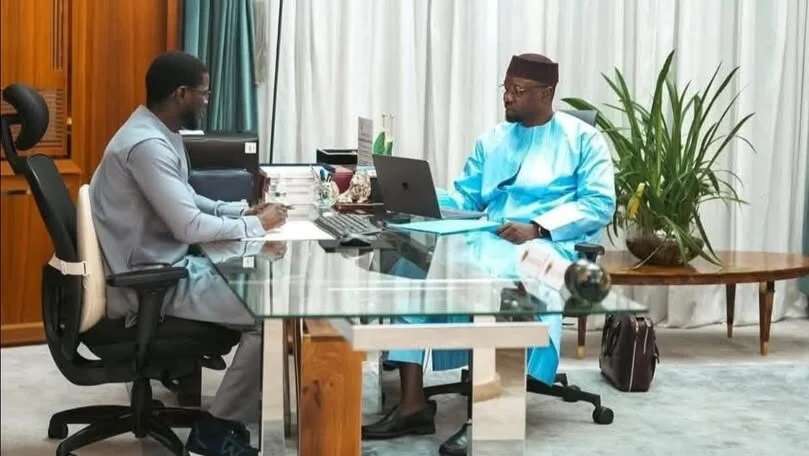
The presidential decree, issued over the weekend, follows months of heated debate over the electoral code revision. While proponents argue the changes clarify civil rights restoration, critics—including some within the Pastef—see a calculated move to secure Sonko’s eligibility. The reform shortens the period of civic ineligibility from ten years to five, with a potential retroactive application that could benefit Sonko directly.
Sonko’s political future has been a lingering question since his 2023 defamation conviction, which barred him from running in the 2024 election. After his ally Bassirou Diomaye Faye assumed the presidency, Sonko was appointed Prime Minister, bypassing the electoral setback. His recent election to parliament—later forfeited to retain his government role—further fueled speculation about his ambitions for 2029.
Internal Party Divisions Deepen
The law’s adoption has exposed fractures within the Pastef, with some members accusing President Faye of manipulating the process. The bill, first passed on April 28, was sent back for a second reading after Faye raised technical concerns. Critics allege the delay was a strategic maneuver to reshape the law in Sonko’s favor.
On May 9, the National Assembly approved the revised version, paving the way for the president’s signature. The final text introduces stricter but time-limited rules for civic rights revocation, a provision that could retroactively restore Sonko’s eligibility. His 2023 conviction, upheld by the Supreme Court in early 2024, had previously seemed insurmountable—until now.
What’s Next for Ousmane Sonko?
With the electoral landscape shifting, Sonko’s path to the 2029 ballot appears increasingly viable. The reform’s retroactive clause—one of its most controversial aspects—could erase the legal barriers that once derailed his candidacy. Meanwhile, President Faye’s decision to champion the bill despite internal dissent underscores the high stakes for Senegal’s political future.
As the Pastef grapples with these divisions, observers are left to wonder: Is this a bold step toward democratic reform, or a calculated play to consolidate power before the next election?