Mariama Hamani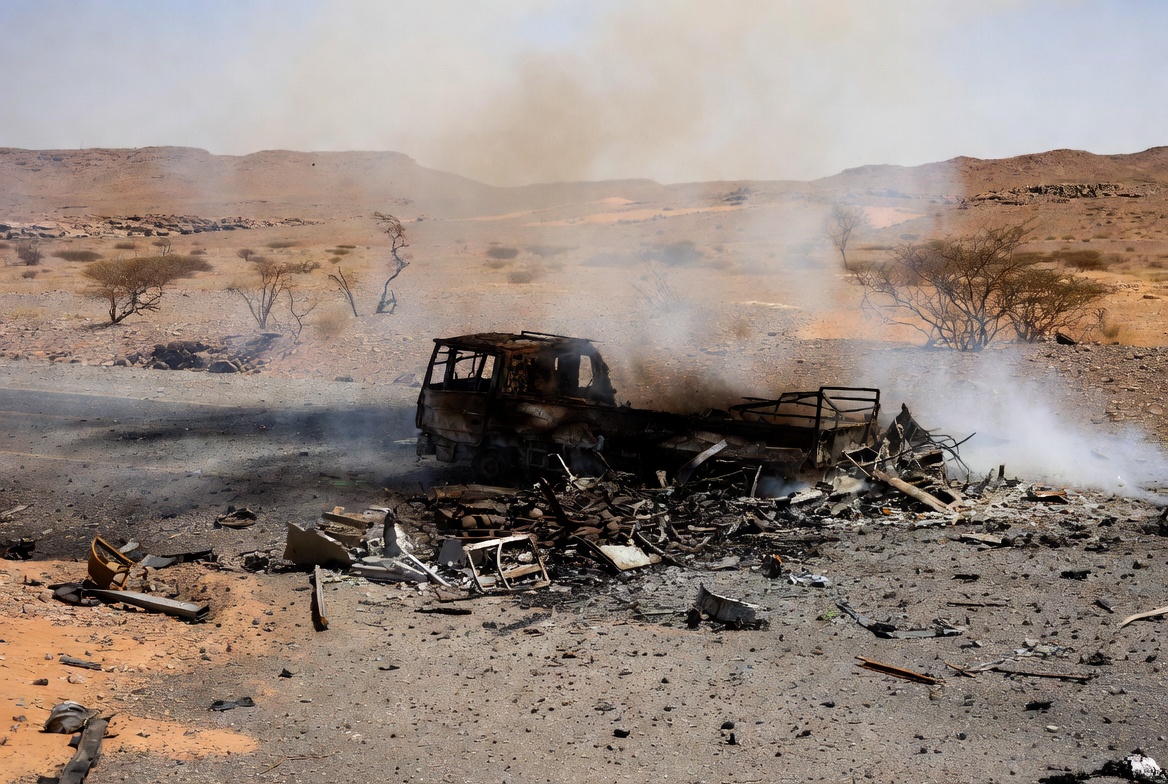
The Kidal region has once again been shaken by violence. On Tuesday, April 14, 2026, a civilian transport truck fell victim to an improvised explosive device (IED) in the vicinity of Aguelhok, highlighting the persistent insecurity in northern Mali.
The blast, characterized by its extreme force, underscores the daily dangers faced by local inhabitants. The vehicle, carrying both passengers and essential goods, was devastated by the explosion. Initial field reports indicate the following:
- Several travelers sustained critical injuries and were transported to local clinics, despite the limited medical infrastructure available in this isolated sector.
- The truck was rendered a total loss, with its cargo scattered and consumed by the fire triggered by the detonation.
Although the act has not been officially claimed, authorities and regional observers point toward the armed terrorist groups operating in the territory. The deployment of landmines and IEDs has become a standard tactic to hinder security forces, yet it is the civilian population that continues to suffer the most significant losses.
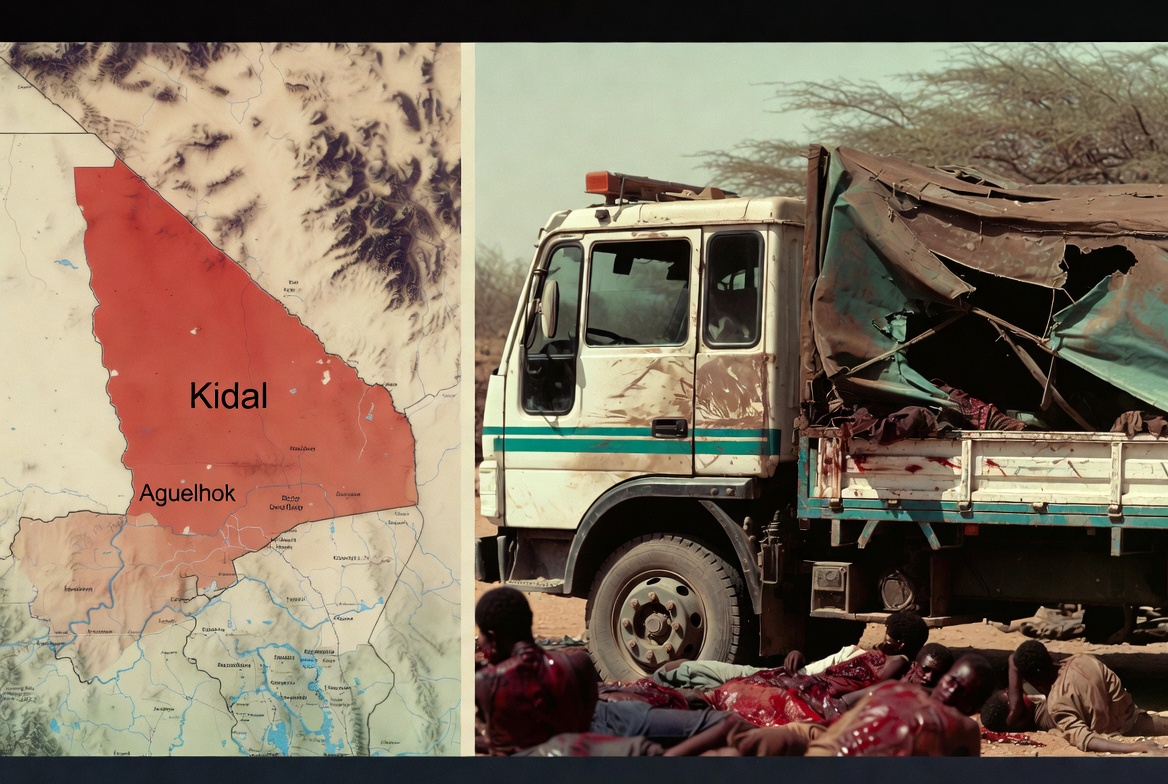
“Navigating the Kidal region is like playing a lethal game of chance,” remarked a local resident who wished to remain anonymous. “Every trip could be the last because the threat is hidden beneath the desert sand.”
The economic and human toll on the Gao-Kidal-Tessalit axis
This tragic event underscores the permanent threat looming over the Gao-Kidal-Tessalit route. In addition to the human suffering, these explosions are paralyzing the local economy. Transport companies are increasingly reluctant to supply remote northern towns, fearing for the safety of their drivers and vehicles.
Despite ongoing demining initiatives and surveillance efforts, the vastness of the desert landscape allows attackers to plant these deadly devices undetected. For the community of Aguelhok, this latest incident serves as a grim reminder that stability remains an elusive goal on the dusty roads of northeastern Mali.


 Boureima Amadou