Boureima Amadou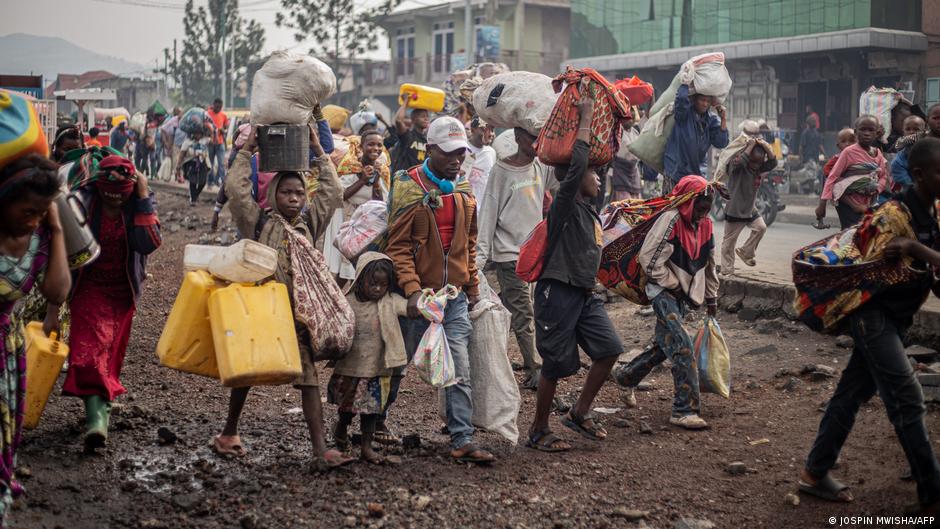
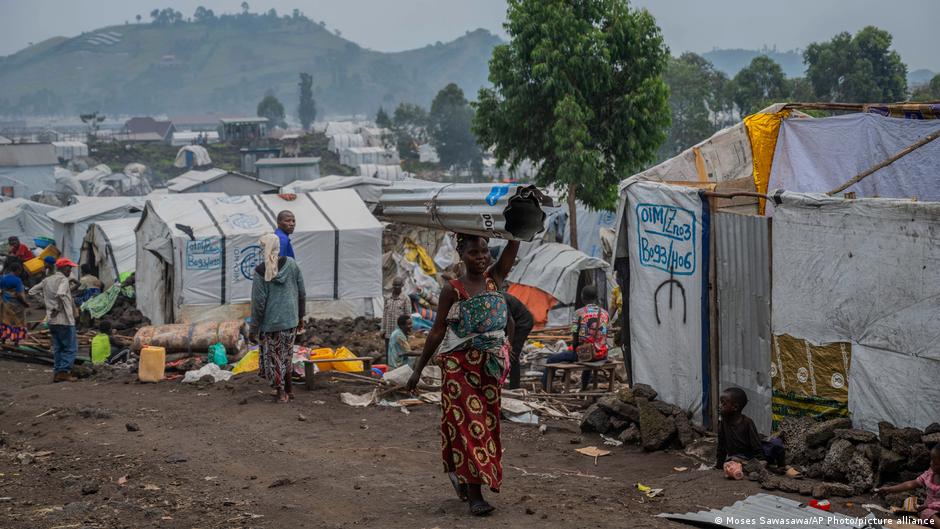
Thousands of people who fled the war in the eastern Democratic Republic of Congo are now living in dire humanitarian conditions in the capital, Kinshasa. Several deaths have already been recorded due to a lack of assistance.
Most of these internally displaced persons came from North Kivu and South Kivu provinces, escaping the advance of AFC-M23 rebels more than a year ago. Others fled the neighbouring province of Ituri following attacks by armed groups, including the Cooperative for the Development of Congo (Codéco) and the Allied Democratic Forces (ADF).
Abandoned to their fate
Over 2,600 households are facing a deeply worrying humanitarian situation. Many are now homeless after being forced to leave the churches and mosques that had been sheltering them.
What is most concerning is that among these displaced people are many vulnerable individuals.
“Among the vulnerable, we have pregnant women, people living with disabilities, children, students, and the elderly. They are here with no access to healthcare, housing, or food. They are in total distress,” says Jordan Mulikuza, president of the displaced from the East in Kinshasa.
The ordeal of displaced students
Regarding students, some fled the war while others arrived before the conflict began to pursue their studies in Kinshasa. They now live in difficult conditions, far from parents who have had to flee or, in the worst cases, have been killed. Jacques Chiza is the representative of these students.
“We are going through very tough times. We have nothing to eat. Most students spend the night outside because they have nowhere to sleep. We have no assistance at all. We appeal to anyone of goodwill to help us because the situation is alarming,” he warns.
State expected to provide immediate response
Sixteen people have died due to a lack of access to healthcare in the Congolese capital. The internally displaced have repeatedly appealed to authorities and humanitarian organisations, but so far without significant results. They are demanding state intervention.
“We have cases of illness every day. I am sounding the alarm to the international community, United Nations organisations, and the government to see how they can intervene,” stresses their president, Jordan Mulikuza, before warning: “We ask the authorities to act before the worst happens. We are sounding the alarm to the head of state to act urgently.”
While the displaced express their wish to be gathered on a single site to facilitate access to humanitarian assistance, Théogène Nkundiye, advisor to the Ministry of Social Affairs, Humanitarian Action and National Solidarity, stated that “their situation is known and is being studied for a sustainable solution. It is still too early to discuss it today. More will be known at the appropriate time.”
This means no decision has yet been made to assist these thousands of internally displaced people who are surviving as best they can in the Congolese capital.