Mariama Hamani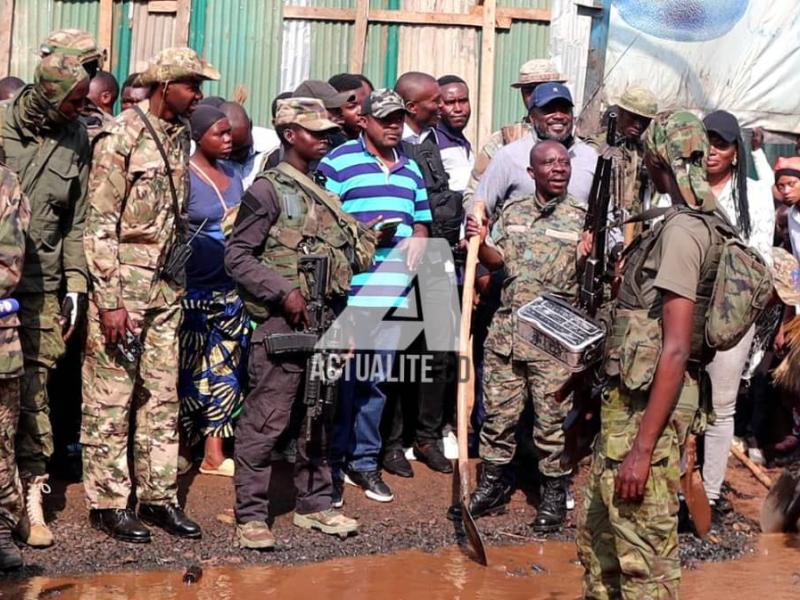
José Makila blames Félix Tshisekedi for M23’s return to Kinshasa
During a live broadcast on Space, hosted by journalist Stanis Bujakera Tshiamala, opposition leader and former Vice Prime Minister José Makila Sumanda delivered sharp remarks on the security situation in eastern Democratic Republic of the Congo (DRC) and the role of former President Joseph Kabila in this crisis.
No evidence of Kabila’s ties with M23
Addressing claims that former President Kabila had a relationship with the M23 rebel group, Makila dismissed these accusations outright. “No one in the M23 protected Kabila,” he stated, emphasizing that all civilians in North and South Kivu under M23 control are subject to the same local authorities. He argued that during Kabila’s presidency, he merely defended national territorial integrity without personal disputes with rebel leaders such as Makenga or Nanga.
Tshisekedi’s policies fuel M23 resurgence
Makila went further, shifting blame to President Félix Tshisekedi. “It is not Kabila who brought the M23 back to Kinshasa; it is Tshisekedi,” he asserted. He contended that Tshisekedi’s normalization of relations with the rebel movement has undermined efforts to counter the group’s influence, making it illogical to criticize his predecessor.
Conflict nature debated
On the nature of the conflict, Makila drew a sharp distinction: between a declared interstate war and an externally backed rebellion. Rejecting comparisons to the Russia-Ukraine conflict, he highlighted a critical point—DRC has not launched airstrikes on Rwanda. “We possess Sukhoi jets and drones. Why aren’t they being used to strike Rwanda if this is a state-to-state war?” he questioned. This absence of direct strikes on Rwandan soil, he argued, proves the conflict is not formally between states.
José Makila concluded by reaffirming his political stance, stating, “I am 100% political. I will only comment on what I know in politics.”
- Security

 Boureima Amadou