
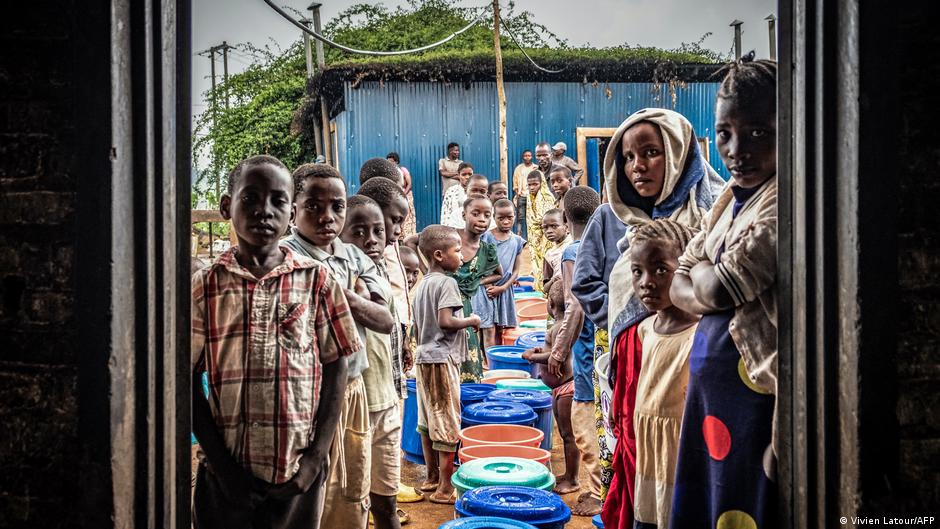
Humanitarian law violations surge in eastern DRC as armed groups multiply
In the eastern regions of the Democratic Republic of the Congo, civilians remain trapped in a relentless cycle of violence as international humanitarian law continues to be systematically violated. Despite repeated pledges from national authorities and international partners, armed groups have intensified their operations, exposing local populations to grave dangers.
The International Committee of the Red Cross, or ICRC, has renewed its appeal for stricter adherence to these critical legal frameworks. On July 23, the organization convened a high-level conference in Kinshasa to address the growing crisis and advocate for stronger protective measures for civilians caught in conflict zones.
Why civilian protection laws are failing in eastern DRC
In conflict-affected areas, awareness and respect for international humanitarian law remain alarmingly low. Civilians bear the brunt of this neglect, caught between shifting alliances of armed factions. The consequences are devastating—especially for women and children, who face widespread sexual violence.
“Sexual violence has reached staggering levels. Every minute, women, girls—and yes, even some men—suffer these horrific crimes,” says Julienne Lusenge, a prominent human rights advocate. She emphasizes that impunity must end, calling for swift international sanctions against perpetrators of sexual violence.
“To date, not a single case has been prosecuted at the international level. It is high time that perpetrators face consequences for these atrocities,” she adds.
Military justice steps up to curb abuses
Julienne Lusenge also stresses the urgent need to strengthen security forces and dismantle armed groups to better safeguard civilians. Meanwhile, military justice in the DRC reports ongoing prosecutions of soldiers accused of human rights violations. General Jean-Paul Tshayikolo, a military magistrate at the High Military Court, highlights the dual role of these trials: punishment and deterrence.
“There are good soldiers and bad soldiers. Our military society strives for excellence, yet zero impunity remains an ideal we are still chasing,” he explains. “When a soldier is convicted, it sends a powerful message to others. Military justice not only punishes but educates. The records speak for themselves.”
The complexity of enforcing humanitarian law amid fragmented armed groups
Over 200 armed factions operate across eastern DRC, particularly in North Kivu, South Kivu, Ituri, and parts of Tanganyika. Their constantly shifting alliances make it difficult to identify those responsible for breaches of international law. This fragmentation further complicates accountability, dialogue, and enforcement mechanisms.
The core principle of international humanitarian law—that civilians must be protected and distinguished from combatants—is often ignored on the ground. This disregard not only fuels impunity but also obstructs justice, leaving victims without recourse.

Mariama Hamani
Analyst
Boureima Amadou
- Top Stories
- October 1, 2026
- 129 views
Moussa Kaka’s month-long disappearance in Niger: the widening toll on citizens, commerce and public trust
One month of silence, and a country left guessing In Niger, the pressure on independent journalism has now stretched past the one-month mark, and the consequences are rippling far beyond…

Mariama Hamani
- Top Stories
- October 1, 2026
- 41 views
Is Barrick Gold’s Loulo-Gounkoto truce a strategic blunder for Mali’s mining future
A truce built on silence: what is Barrick Gold really hiding at Loulo-Gounkoto? The suspension of the strike notice at the Loulo-Gounkoto gold complex conceals a financial pact of a…





