Mariama Hamani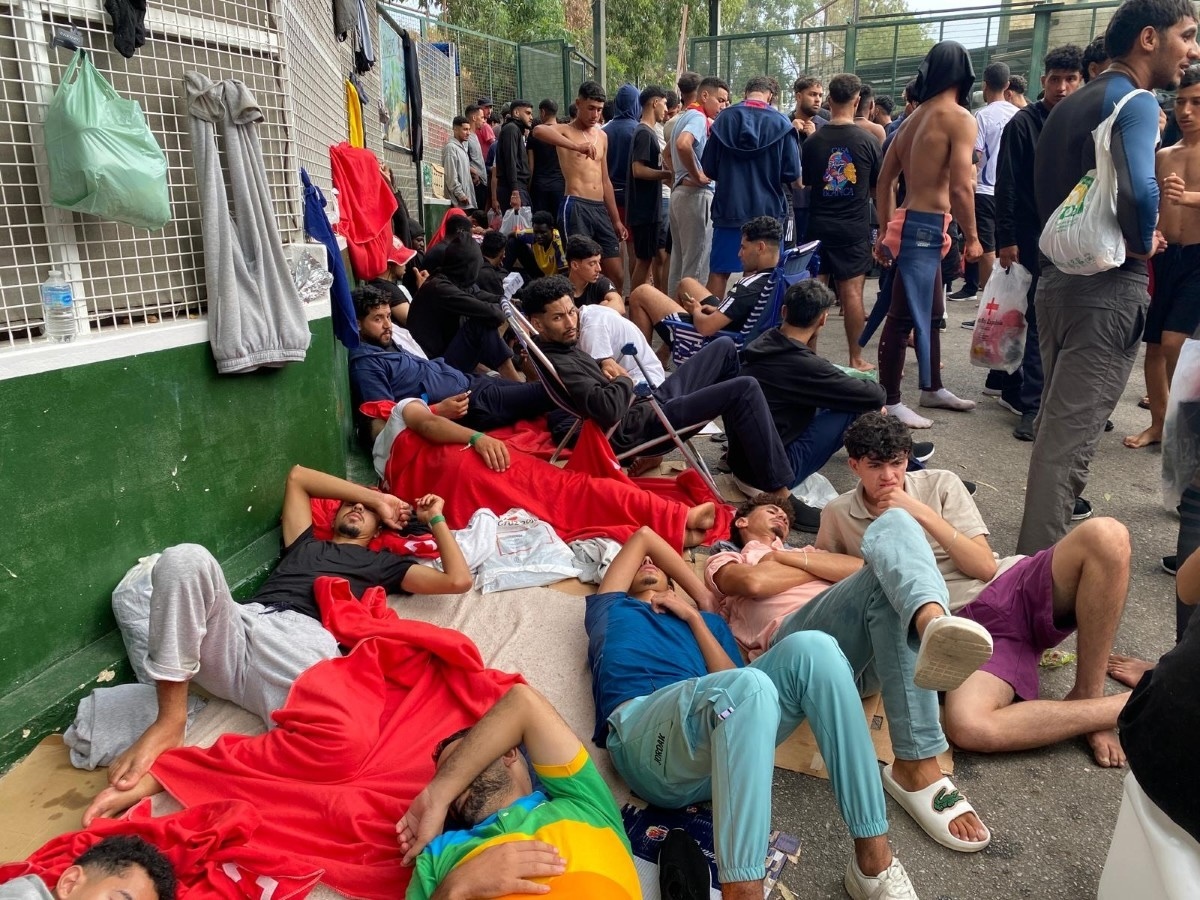
Spain and Morocco agree to return irregular migrants at Ceuta and Melilla
In response to the escalating migration crisis in Ceuta, Spain and Morocco have swiftly strengthened diplomatic and security ties to facilitate the immediate return of all irregular migrants who entered the Spanish enclaves. This coordinated effort will also apply to Melilla, as authorities in both countries activate existing collaboration mechanisms to address the situation.
The surge in irregular entries—both by sea and land—has prompted Madrid and Rabat to intensify coordination, focusing on border management and countering human trafficking networks that allegedly exploit recent legal developments to facilitate illegal crossings.
Both governments have pointed to human trafficking networks as the primary drivers behind the recent surge in migration flows, particularly after a Supreme Court ruling restricted immediate repatriations of migrants arriving by swimming to Ceuta and Melilla.
With growing pressure at Ceuta’s borders, the European Union has pledged support through Frontex and called on Morocco to take urgent measures to stabilize the situation. EU officials emphasize their commitment to assisting Spain in managing the migratory pressure while maintaining continuous dialogue with Moroccan authorities to prevent further irregular entries.
Rabat and Madrid deepen bilateral cooperation
Ceuta, facing an unprecedented influx of migrants—many arriving through the Tarajal border crossing—has prompted Spanish and Moroccan authorities to reinforce bilateral cooperation. The two nations have agreed to accelerate the return of all irregular migrants through established collaboration frameworks.
Spain’s Interior Minister, Fernando Grande-Marlaska, is set to visit Ceuta to oversee the crisis response on the ground, maintaining close contact with his Moroccan counterpart, Abdelouafi Laftit. The intensified cooperation aims to address the unexpected surge in migration while safeguarding the strategic partnership between Morocco, Spain, and the EU.
Sources within Morocco’s Interior Ministry have expressed concerns that the crisis could undermine trust in the long-standing cooperation between the two countries, particularly within the strategic triangle of Morocco, Spain, and the EU.
Madrid has firmly denied any connection between the migration surge and Spanish Prime Minister Pedro Sánchez’s visit to Algeria on July 20. The Foreign Ministry emphasized that migration cooperation with Morocco remains robust within the framework of their strategic partnership.
Spanish Prime Minister Pedro Sánchez has vowed to restore normalcy in Ceuta, mobilizing all available resources and coordinating with Moroccan authorities and international partners. In a statement on X, Sánchez assured that the government is preparing the necessary measures to normalize the situation as quickly as possible, highlighting the critical role of close cooperation with Morocco in addressing the current migratory pressure.
Spanish authorities, alongside Moroccan counterparts, attribute the crisis to human trafficking networks that have capitalized on a recent Supreme Court ruling prohibiting immediate repatriations of migrants swimming into Ceuta and Melilla. This legal decision has been exploited by criminal organizations to encourage irregular border crossings.
Emergency response in Ceuta
Following the devastating migration crisis of May 2021, Ceuta is once again experiencing an unprecedented influx of migrants, with authorities recovering the bodies of eleven young people who drowned at sea. While official figures remain pending, irregular entries by swimming and through the Tarajal border continue unabated, overwhelming emergency and security services.
In the early hours of Thursday, swimmers continued attempting to reach Ceuta, pushing the Civil Guard beyond its operational limits. Amid the arrival of hundreds of individuals—including minors—a new body was recovered, according to local reports.
Ceuta’s local authorities have called for a state of emergency, rejected by Sánchez’s government, alongside demands for increased police resources and military deployment to regain control. Security forces stationed along the breakwater separating Ceuta from Morocco are stretched to their limits, while reception centers are operating at full capacity.
The migration waves have intensified as misinformation on social media fuels false hopes of a “better life” in Spain. Many migrants, upon arrival, set up makeshift camps while awaiting placement in assistance centers.
Ceuta’s crisis: a challenge for Morocco
The unprecedented influx of predominantly young migrants has reignited debates in both Moroccan and Spanish media about the country’s ability to address the root causes driving migration, including unemployment and precarity. The crisis also calls for a reassessment of social integration programs for vulnerable youth.
New arrivals in Ceuta celebrate their entry into Spanish territory, shouting slogans like “Viva España” and waving flags, giving the impression of reaching a promised land. Yet behind these scenes of triumph lie harsh realities: many more fail in their attempts, risking or losing their lives at sea, far from the public eye.
The situation raises critical questions: Are these young people merely seeking rights without the willingness to contribute to nation-building, or are systemic issues—youth unemployment, regional inequalities, and institutional distrust—pushing them toward desperation?
Labeled by many as a “collective exodus,” this crisis is more than an individual phenomenon. It reflects deep structural challenges, including widespread youth unemployment, regional disparities, and waning faith in institutions. As Morocco mobilizes significant resources for the recent Throne Day celebrations, questions arise about the lack of urgency in detecting and preventing gatherings before they reach the border with Ceuta. Reports highlight the involvement of Algerians and Sub-Saharan Africans, suggesting that organizers possess resources and financing far exceeding local discontent—potentially aiming to destabilize Morocco and strain its relations with Spain and the EU. Beyond the immediate crisis, the timing raises suspicions of attempts to undermine the Throne Day celebrations and challenge the positive narrative presented in King Mohammed VI’s speech.
The human cost of these perilous journeys is staggering. For every person who succeeds in reaching Ceuta, many more perish or face life-threatening risks at sea. The sight of young migrants celebrating their arrival, waving flags and shouting slogans, speaks volumes more than any commentary ever could.

 Boureima Amadou