Boureima Amadou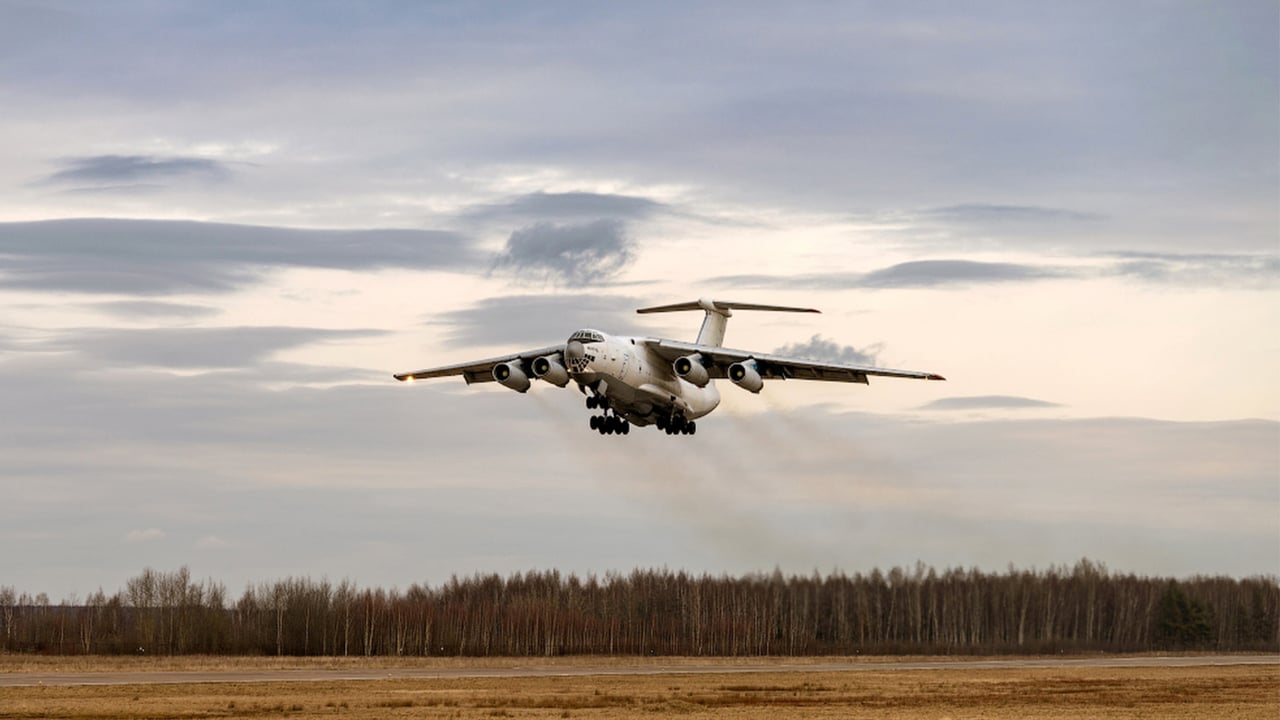

Russia’s growing military footprint in the Sahel
The Sahel region, grappling with persistent security challenges, has become a focal point for Russia’s expanding military influence. At the heart of this strategy lies the Africa Corps airline, a crucial logistical backbone facilitating the movement of troops and military equipment across some of Africa’s most volatile zones.
Over recent years, Moscow has intensified its engagement with governments in the Sahel, leveraging historical ties and modern security partnerships. The deployment of the Africa Corps—officially replacing the Wagner Group in certain operations—has allowed Russia to deepen its presence without the overt use of traditional state military forces.
How Africa Corps airline operates in the region
Central to this operation is a fleet of heavy transport aircraft, including the IL-76, operated by Russian contractors such as Zitotrans. These aircraft, known for their long-range capabilities and large cargo capacity, have become indispensable in transporting personnel, weapons, and logistical support to remote operational zones in the Sahel.
The Africa Corps airline does not operate in isolation. It works in close coordination with local allies, particularly the Alliance of Sahel States, whose member nations—Burkina Faso, Mali, and Niger—have openly embraced Russian security assistance. This collaboration has streamlined the flow of military assets, ensuring rapid deployment and sustained operations.
Key logistical hubs and routes
While the exact locations of these operations remain discreet, several transit points have been identified in West Africa and Central Africa. These include airfields in Mali and Niger, where Russian-operated flights frequently land under the guise of commercial or humanitarian missions. The use of civilian aircraft for military purposes underscores the covert nature of these logistics.
Implications for regional stability
The increasing reliance on Russian military logistics via the Africa Corps airline raises significant concerns about long-term stability in the Sahel. While some governments view this support as a necessary counter to jihadist threats, critics argue it could exacerbate existing tensions and undermine local governance.
The Africa Corps’ operations highlight a broader trend: Russia’s strategic pivot toward Africa, where it seeks to challenge Western influence while securing resource-rich partnerships. The Sahel, with its porous borders and fragile institutions, presents an ideal testing ground for this approach.
Challenges and controversies
Despite its operational success, the Africa Corps airline faces scrutiny over transparency and accountability. The use of private military contractors and civilian aircraft for military logistics blurs the lines between state and non-state actors, complicating oversight and fueling speculation about Moscow’s true intentions.
Additionally, the alliance between Russia and the Alliance of Sahel States has drawn criticism from international observers, who warn of potential human rights abuses and the erosion of democratic norms in exchange for security guarantees.
What’s next for Russia’s Sahel strategy?
As the Africa Corps airline continues to expand its footprint, the coming months will be critical in determining the long-term impact of Russia’s military presence in the Sahel. Will this strategy stabilize the region, or will it further destabilize it amid rising geopolitical rivalries?
The answers may well shape the future of African security—and the balance of power on the continent.


 Mariama Hamani