Mariama Hamani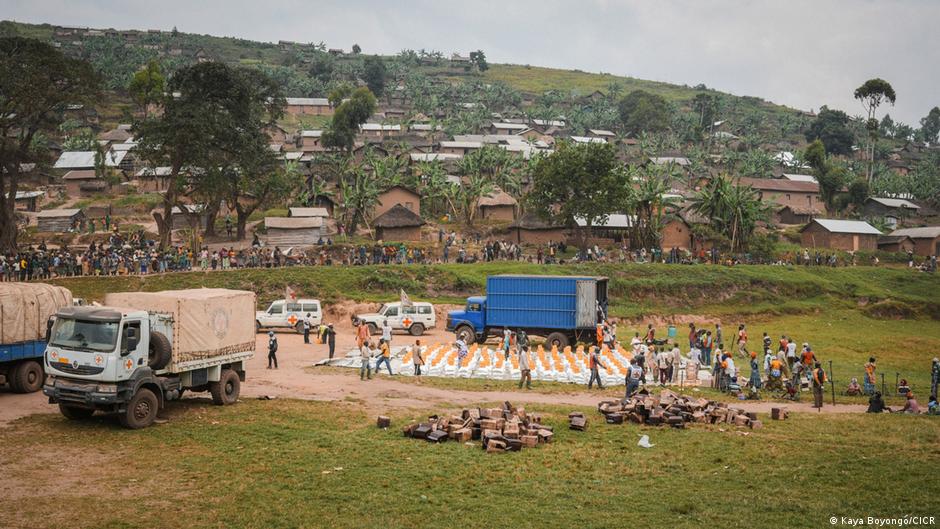
Ebola and conflict compound suffering in eastern DRC
Tens of thousands in eastern Democratic Republic of the Congo are caught in a deadly crossfire—not just between armed groups, but between disease and hunger. The International Committee of the Red Cross has resumed critical food and seed distributions, reaching over 80,000 people amid overwhelming challenges. But how can aid reach those trapped between the fear of Ebola and the terror of starvation?
Confronting the dual threat: how Ebola intensifies food insecurity in a war zone
The eastern DRC has endured decades of conflict, displacement, and broken livelihoods. Now, a new Ebola surge is deepening an already desperate situation. Families who were barely holding on are seeing their coping strategies collapse under the weight of disease and violence. Restrictions on movement and disrupted markets—common responses to outbreaks—further squeeze access to food and income.
From farmlands to survival: the hidden cost of displacement and disease
Many households have lost access to their farmlands due to insecurity, forcing them to concentrate cultivation in safer but limited areas. This overuse threatens soil fertility and future harvests. Agricultural support services, already weakened by years of conflict, are struggling to reach displaced communities. Border closures and trade restrictions—meant to control Ebola—are cutting off vital income sources for families who once relied on cross-border commerce. The result? A spiral of vulnerability where the poorest bear the heaviest burden.
With health systems strained and markets in flux, the people of eastern DRC are being forced to make impossible choices—between protecting themselves from a deadly virus and securing the next meal for their children.

 Boureima Amadou