
 Boureima Amadou
Shenzhen 2026: a pivotal moment in global diplomacy
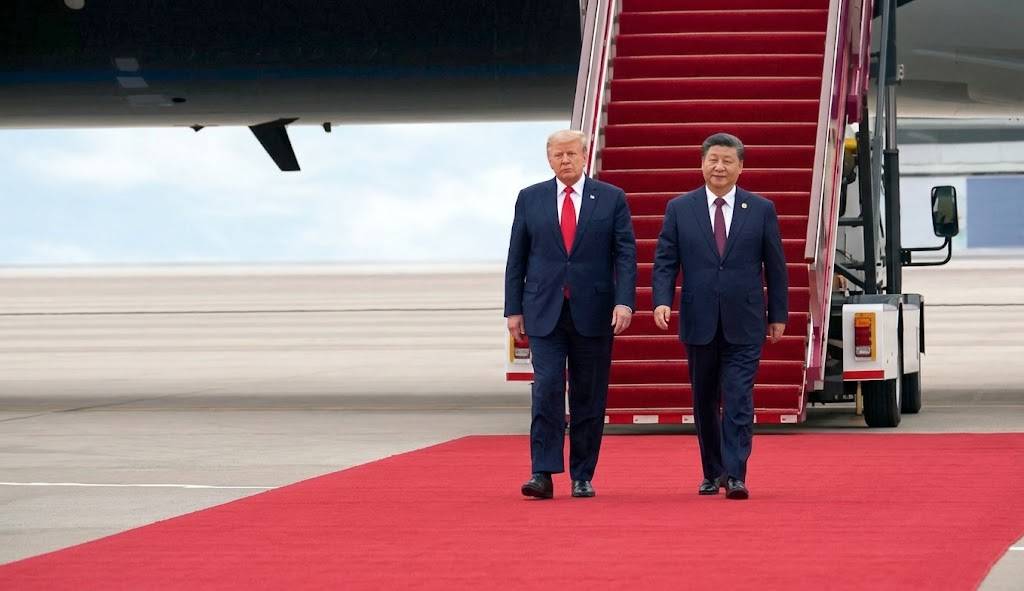
The air was thick with anticipation as Air Force One touched down in Shenzhen, China, on November 18, 2026. President Donald Trump arrived on Chinese soil for the Asia-Pacific Economic Cooperation (APEC) summit, but the world’s focus was on what would unfold the next day: a unprecedented trilateral meeting with Chinese President Xi Jinping and Russian President Vladimir Putin. The stakes couldn’t be higher—a historic gathering that could redefine the balance of global power.
Three powerhouses at the negotiating table
For the first time in modern history, the leaders of the United States, China, and Russia sat down together in a single diplomatic forum. The meeting wasn’t just symbolic—it represented a seismic shift in geopolitical dynamics. Each leader arrived with distinct objectives and strategic priorities, setting the stage for high-stakes negotiations.
Donald Trump used the platform to advance American interests, aiming to strengthen dialogue with both Beijing and Moscow while pushing for progress on international security issues. His agenda included nuclear disarmament talks, a topic fraught with sensitivity given the combined might of the three nations’ nuclear arsenals.
Xi Jinping seized the opportunity to solidify China’s position as a global powerhouse. By hosting his counterparts, he signalled Beijing’s intent to play a central role in shaping international governance and diplomatic negotiations—a move that underscored China’s growing clout on the world stage.
Vladimir Putin arrived amid a backdrop of Western sanctions and escalating tensions over Ukraine, seeking to leverage the summit as a platform to reaffirm Russia’s global standing. For Putin, the meeting was a chance to reset diplomatic relations and project influence despite ongoing isolation from Western allies.
Critical issues shaping the agenda
The discussions in Shenzhen weren’t confined to pleasantries. Behind closed doors, the leaders tackled some of the most pressing challenges of the 21st century:
- Nuclear proliferation: Trump pushed for discussions on reducing global nuclear arsenals, a highly sensitive topic given the scale of the stockpiles held by all three nations.
- Middle East conflicts: The escalating crisis involving Iran dominated conversations, with the leaders weighing in on regional stability and diplomatic solutions.
- Ukraine war: Though their positions remained starkly divided, the trio addressed the conflict’s global implications, with calls for a diplomatic resolution echoing through the halls of the summit.
- Trade and technology restrictions: The meeting also cast a spotlight on advanced technology exports, semiconductor bans, and the control of strategic resources—key economic flashpoints in U.S.-China and U.S.-Russia relations.
Can three leaders rewrite the rules of global engagement?
The Shenzhen summit raised a pivotal question: Could these three powers find common ground on global challenges without sidelining the rest of the international community? Historical comparisons to the 1945 Yalta Conference were inevitable, but caution was warranted. The post-WWII era bore little resemblance to today’s complex geopolitical landscape, where no single agreement could dictate the future of global governance.
The outcomes of Shenzhen will ripple across Europe, Asia, and beyond. While no trilateral deal could resolve international conflicts single-handedly, the summit marked a turning point in how Washington, Beijing, and Moscow choose to engage—or disengage—with one another. And for the millions watching from outside the negotiating rooms, the answers emerging from Shenzhen could redefine the rules of the game for generations to come.
From handshakes to hard decisions: measuring the summit’s true impact
The world watched as the leaders posed for photographs, exchanged diplomatic niceties, and delivered carefully crafted statements. But the real test of Shenzhen’s success lay in what happened behind closed doors—and whether those conversations translated into tangible commitments. Would the three powers move beyond rhetoric to address the existential threats facing humanity?
The stakes were monumental. Nuclear security, regional conflicts, and economic instability weren’t just abstract concerns—they were challenges that directly impacted billions of lives. The question now: Could this summit catalyze a new era of cooperation, or would it merely underscore the deep divisions that continue to fracture the global order?
As the dust settled in Shenzhen, one thing was clear: The decisions made in those meeting rooms carried weight far beyond the headlines. The world held its breath, waiting to see if this historic gathering would mark the beginning of a new chapter—or the continuation of an old one.



 Mariama Hamani



