
 Mariama Hamani
Unprecedented military response shifts the balance in Iran-US standoff
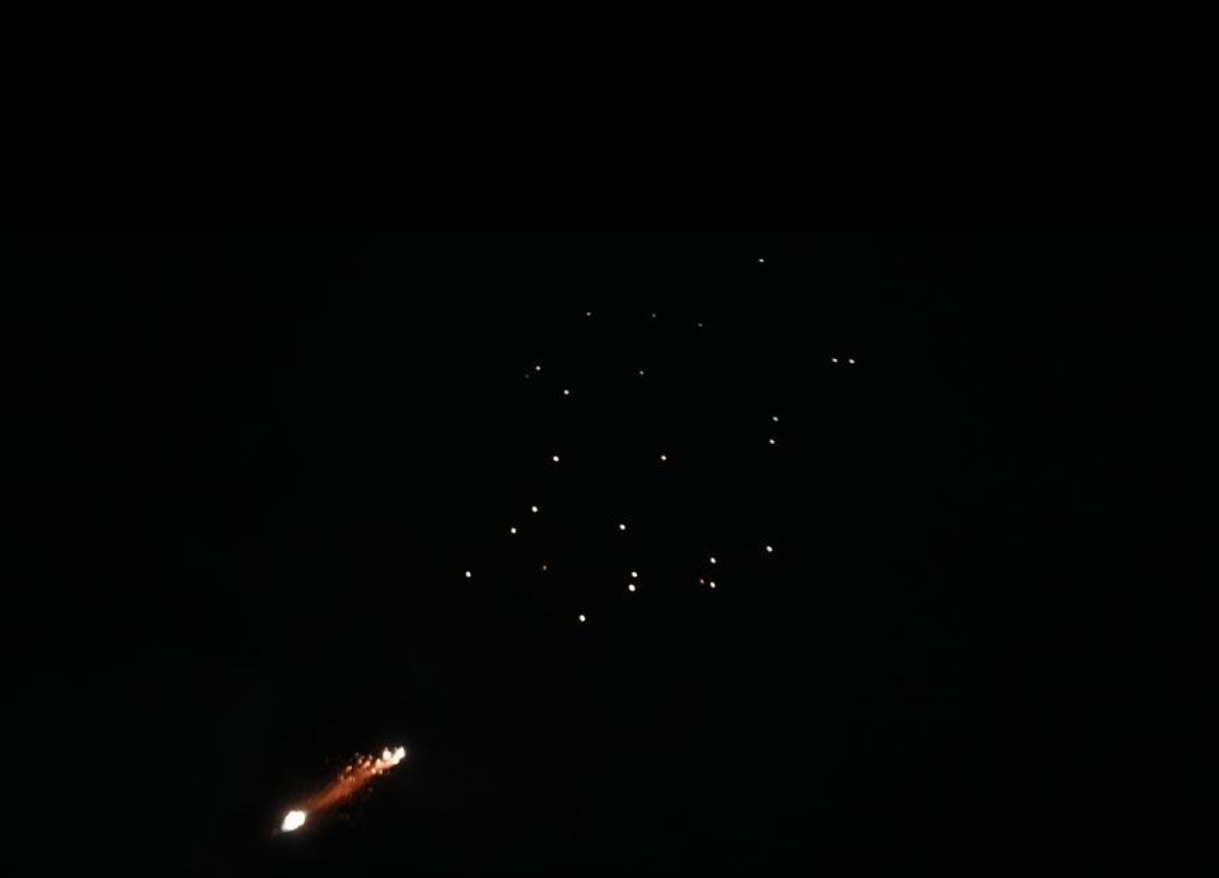
The long-simmering tensions between Tehran and Washington have reached a decisive moment with Iran launching targeted strikes on key US military installations in Bahrain and Kuwait. These operations mark a significant escalation, prompting immediate concerns over regional stability and the potential for a broader Middle Eastern conflict.
The November 18, 2026 attacks—reported across multiple intelligence channels—saw Iranian forces hitting the Ali Al Salem Air Base in Kuwait, a critical logistical hub for American operations in the region. Simultaneously, Bahrain’s military infrastructure came under fire, with radar systems at Sheikh Isa Airbase sustaining damage. While authorities in both nations confirmed intercepting hostile drones, the full extent of the attacks remains under assessment.
Bahrain’s Fifth Fleet headquarters emerges as new flashpoint
The strategic value of Bahrain in this confrontation cannot be overstated. Home to the US Navy’s Fifth Fleet—tasked with overseeing maritime security across the Persian Gulf and Arabian Sea—the island nation has become a primary target in Iran’s retaliatory campaign. Reports indicate multiple aerial threats were neutralized, but conflicting accounts persist regarding whether the fleet’s headquarters sustained direct hits.
Local defense systems intercepted several drones before they could reach high-value targets. However, social media claims of a devastating strike on the Fifth Fleet’s command center remain unverified. Military analysts warn that such misinformation risks further inflaming an already volatile situation.
Kuwait’s Ali Al Salem Air Base faces direct Iranian retaliation
Kuwait’s strategic importance stems from its geographic location and decades-long military cooperation with the United States. The Ali Al Salem Air Base—used extensively for American operations in the region—became the focal point of Iran’s latest offensive.
Kuwaiti defense systems successfully intercepted incoming drones, but the attack has raised urgent questions about the vulnerability of allied military infrastructure. The incident demonstrates how regional partners are increasingly drawn into the crossfire of US-Iran tensions.
From regional tensions to global economic risks
The stakes extend far beyond military installations. The Persian Gulf’s waterways handle nearly 20% of the world’s oil supply, with the Strait of Hormuz serving as a critical chokepoint. Any sustained disruption to shipping lanes could trigger:
- Sharp increases in global energy prices
- Severe supply chain disruptions
- Instability in international financial markets
Energy analysts caution that even limited military engagements could have outsized economic consequences, particularly if oil fields or refining facilities become collateral damage.
Diplomatic paralysis in face of military escalation
With each retaliatory strike, the prospects for de-escalation grow dimmer. Traditional mediators like Oman and Qatar—long seen as neutral brokers—now face an uphill battle in restoring dialogue between Washington and Tehran.
Washington’s immediate priorities include protecting its 25,000 deployed troops and securing military assets across the Gulf. Iran, meanwhile, appears determined to demonstrate its ability to strike back against perceived American aggression. The dangerous tit-for-tat dynamic leaves little room for diplomatic maneuvering.
What’s at stake for Gulf nations
The region’s Arab states find themselves in an impossible position—allied with Washington while sharing borders with Iran. Leaders must now balance:
- Maintaining strategic partnerships with the US
- Avoiding direct confrontation with Iran
- Protecting critical infrastructure from spillover violence
The coming 72 hours will be critical in determining whether these attacks represent a temporary intensification of tensions or the beginning of a new, more dangerous phase in Gulf security.
Uncertainty shrouds next moves as world watches
In the absence of official confirmations regarding the extent of damage at key installations, global observers can only speculate about the next phase. Military experts highlight several potential scenarios:
- A calibrated response from Washington to avoid further escalation
- Additional Iranian strikes to demonstrate continued capability
- Secret backchannel negotiations to prevent miscalculation
One thing remains clear: the Persian Gulf stands at a precipice, with the actions of the next few days likely to determine whether this confrontation spirals into a full-blown regional crisis.


 Boureima Amadou




