
 Mariama Hamani
With terror threats spreading from the Sahel into West Africa’s coastal nations, Germany has made a decisive shift in its military cooperation with Benin. No longer confined to equipment donations and short-term training, Berlin is now laying the groundwork for a long-term strategic partnership aimed at strengthening Cotonou’s defense capabilities and stabilizing the Gulf of Guinea.
From equipment aid to strategic defense cooperation
The evolution in German-Beninese military ties reflects a broader regional urgency. In late 2026, Berlin delivered over 1,266 mobile respirators and 550 helmets to Benin’s armed forces, complementing earlier shipments of night-vision gear and protective equipment worth €3 million. These tangible contributions mark a clear step beyond temporary assistance, signaling a deeper commitment to long-term security collaboration.
Beyond hardware, Germany has intensified human capital investments. Since the 1980s, more than 350 Beninese soldiers have undergone advanced training in Germany, a foundation that Berlin now seeks to build upon with expanded expertise-sharing initiatives.
Expert deployment and institutional strengthening
In a landmark development, German military advisors are slated to arrive in Benin by the end of 2027. While their role will focus on advisory support—rather than combat involvement—these experts will play a crucial part in enhancing Beninese military engineering and logistics through specialized training and equipment provision.
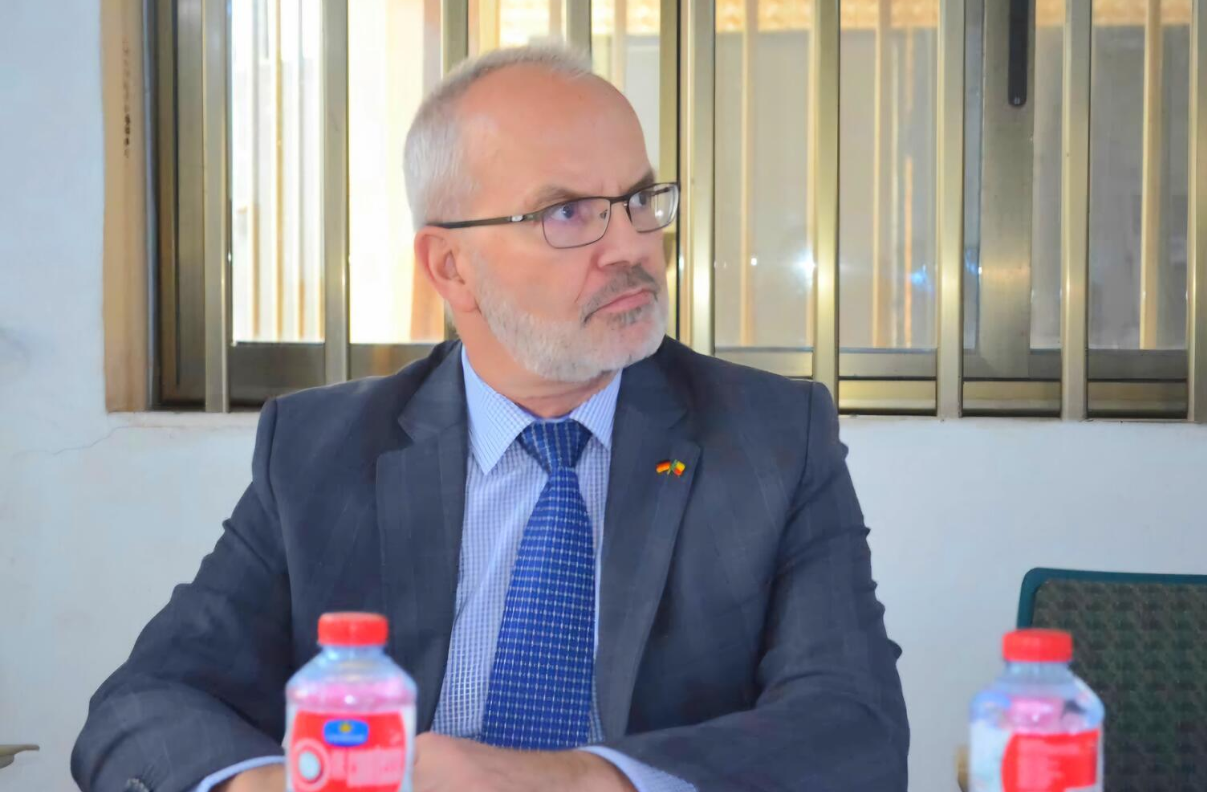
The German ambassador to Benin, Stefan Buchwald, confirmed in October 2026 that strategic-level joint staff talks were being planned at the highest levels. This dialogue could soon culminate in a new bilateral defense agreement, further formalizing the partnership and expanding the scope of cooperation.
Regional context: when Sahel instability spills into the Gulf of Guinea
The northern regions of Benin—Atacora and Alibori—have faced mounting incursions from armed extremist groups, particularly along porous borders with Burkina Faso and Niger. Rising spillover violence has pushed Cotonou to prioritize border security, intelligence sharing, and rapid-response logistics. Germany’s intensified engagement aligns with this national imperative while reinforcing broader European efforts to prevent instability from spreading southward.
European Union’s role in Benin’s defense modernization
Germany’s partnership with Benin is not operating in isolation. The European Union has already contributed €35 million through its European Peace Facility, with additional funding allocated under the EU’s Gulf of Guinea Security and Defense Initiative. This initiative, which includes Benin, Togo, Ghana, and Côte d’Ivoire, seeks to harmonize security responses across the region—a strategic alignment that Berlin appears keen to integrate into its bilateral approach.
Looking ahead: what’s next for German-Beninese security cooperation?
Three key developments will define the trajectory of this partnership:
- Finalization of a new bilateral defense agreement: Expected to define the legal and operational framework for joint activities.
- Arrival of German military advisors in late 2027: Their deployment will focus on technical training and institutional capacity building within Benin’s armed forces.
- Increased EU-Germany coordination: Synergies between bilateral and European defense funding could amplify the impact of both initiatives.
Why this matters for Benin’s future and regional security
For Benin, this evolving partnership offers a chance to diversify its security alliances and access advanced training and technology. For Germany, the engagement strengthens its footprint in a strategically critical region where coastal stability is increasingly tied to Sahel developments. Together, these efforts aim not only to counter immediate threats but to build enduring defense institutions capable of sustaining long-term peace.


 Boureima Amadou





