Mariama Hamani
The turning point no parent or student expects
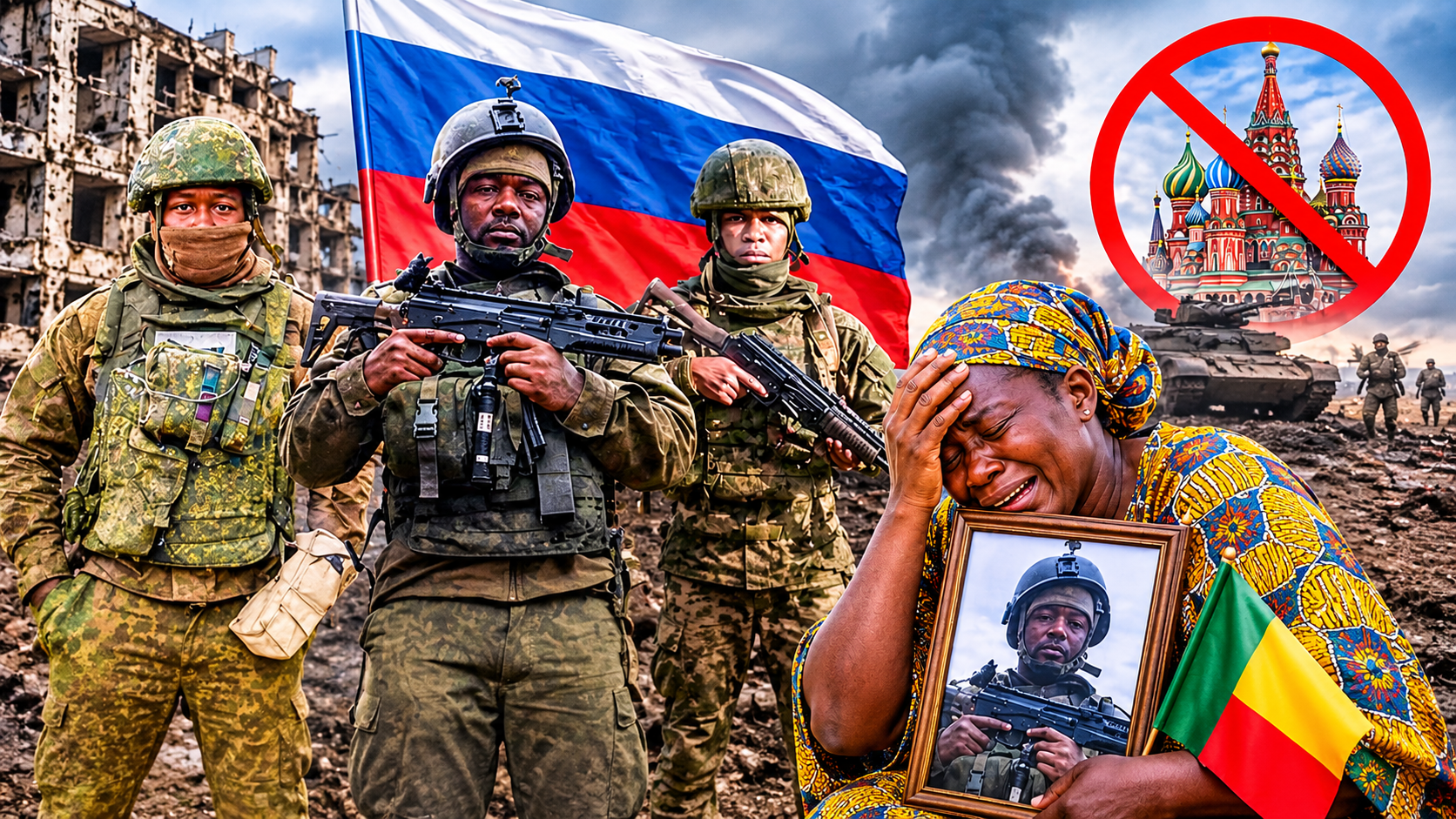
For thousands of African students, studying abroad in Russia has long represented a pathway to technical excellence, affordable tuition, and international career prospects. Yet when a young Beninese student lost his life on the front lines in Ukraine, the dream of academic advancement collided with the brutal reality of war a collision no family could have foreseen.
From classroom ambition to battlefield sacrifice: the untold circumstances
The tragic death of a Beninese national while participating in military operations in Ukraine has thrust a harsh spotlight on the vulnerabilities of African students abroad. Once seen as a sanctuary for study and growth, Russia now sits at the center of a growing dilemma: how does educational ambition intersect with wartime risk, and who is ultimately accountable when a student’s journey ends in tragedy?
Risks masked by opportunity: the hidden contract behind study abroad
Many African students arrive in Russia with valid student visas, only to face unspoken pressures financial strain, language barriers, and limited access to support networks. These conditions can make seemingly attractive offers such as part-time work or internships difficult to refuse. But when such opportunities blur the line between employment and military service, the consequences become irreversible.
Reports from consular services across Africa indicate that foreign students, particularly from West African nations, have been approached with propositions promising financial stability or career advancement. Yet too often, the full scope of obligations including potential combat duty remains undisclosed until it is too late.
The mechanisms of recruitment: promises, contracts, and coercion
Testimonies from returnees and families suggest a pattern: intermediaries or employers may present lucrative contracts or training programs that, upon closer inspection, include clauses requiring military readiness or active participation in hostilities. These arrangements are frequently communicated in vague terms, with key risks omitted from formal agreements.
Once signed, such contracts can strip students of their civilian status, exposing them to direct involvement in warfare. The absence of clear legal protections for foreign students in Russia during wartime further compounds the danger, leaving them without recourse in the event of abuse or coercion.
A continent at a crossroads: protecting students in wartime zones
The death of a Beninese student in Ukraine is not an isolated incident. It reflects a systemic vulnerability affecting students from Senegal, Nigeria, Côte d’Ivoire, and beyond—all of whom have pursued education in Russia under similar circumstances. Governments across Africa are now grappling with a pressing question: how can they ensure that the pursuit of knowledge does not become a death sentence?
What families must demand before departure
Verification of enrollment and visa status: Confirm that the student’s visa explicitly states “student status” with no military-related conditions.
Written clarity in contracts: Any employment or training offer must specify job duties, location, compensation, and duration without vague references to “national duty” or “patriotic service.”
Direct communication with consular offices: Before departure, students and families should register with their country’s consulate in Russia to receive real-time advisories and emergency support.
Background checks on intermediaries: Research agencies, employers, or recruiters offering placements in Russia especially those promising high wages or quick visas should be vetted through official channels.
No scholarship is worth a soldier’s life
The narrative of “study abroad equals success” must now be balanced with a stark truth: in times of war, education can become a Trojan horse. While many students complete their degrees safely in Russia, the risk of exploitation remains real and often invisible until it’s too late.
For African governments, the responsibility extends beyond diplomacy. It demands proactive measures public awareness campaigns, mandatory pre-departure briefings, and bilateral agreements with Russian authorities to monitor the welfare of African students. Failure to act not only endangers lives but erodes public trust in international education pathways.
Honoring a life cut short: the call for transparency
The loss of this young Beninese student demands more than silence it demands answers. How did he become involved in military operations? Were deceptive practices used to lure him? Did his student status facilitate his recruitment? Until these questions are addressed with transparency, families across Africa will remain in the dark about the true cost of studying abroad in a war-torn region.
This tragedy must serve as a turning point. It is a moment to reevaluate the promises made to students, the safeguards in place for their protection, and the ethical obligations of educational institutions and governments alike. The dream of education should open doors not lead to graves.
A shared responsibility for change
Protecting students requires collaboration: governments must enforce stricter oversight, universities must strengthen student support, and families must insist on full disclosure. Together, these efforts can help ensure that no young African’s future ends in a warzone.
The death of one student must not become the silent cost of opportunity.
By Mariama Hamani — Journalist

 Boureima Amadou