Gabon’s national parks set to become global conservation benchmarks
Libreville, Wednesday, July 1, 2026 — As climate change reshapes global economic and environmental priorities, Gabon is taking bold steps to position its national parks as leaders in conservation. The country has initiated the Forest Stewardship Council (FSC) certification process for all 13 of its national parks, a move that underscores its commitment to sustainable governance and environmental stewardship.
This initiative, spearheaded by the National Agency for National Parks (ANPN), reflects a broader ambition: to transform Gabon’s protected areas into a model of ecological governance. By aligning conservation with sustainable development and green financing, the country aims to set new standards for environmental protection on the continent.
The FSC certification process is traditionally associated with sustainable forest management. Extending this to national parks sends a powerful message about Gabon’s dedication to upholding rigorous international standards in governance, natural resource management, and ecosystem preservation. The criteria include transparency, community involvement, and adherence to strict environmental protocols.
Elevating conservation through global recognition
Recent consultations between ANPN representatives and FSC Africa experts outlined the framework for this certification. The discussions focused on aligning with international benchmarks, clarifying operational responsibilities, and establishing clear pathways for implementation on the ground. This preparatory phase ensures that Gabon’s parks will meet the highest standards of environmental integrity.
For Gabon, FSC certification is more than a badge of honor—it is a strategic asset. As global investors and financial institutions increasingly prioritize Environmental, Social, and Governance (ESG) criteria, certified natural spaces offer a competitive edge. They unlock access to international funding mechanisms designed to support conservation efforts and climate resilience initiatives.
From biodiversity to economic opportunity
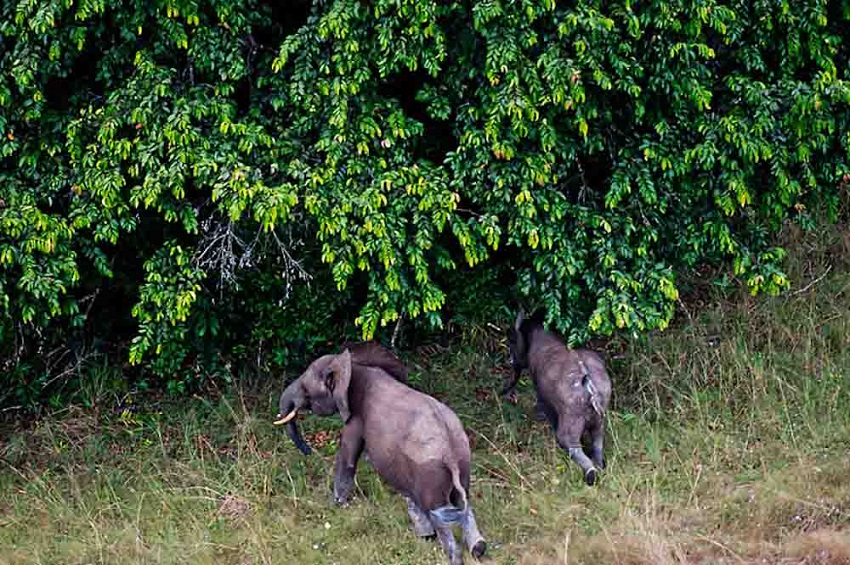
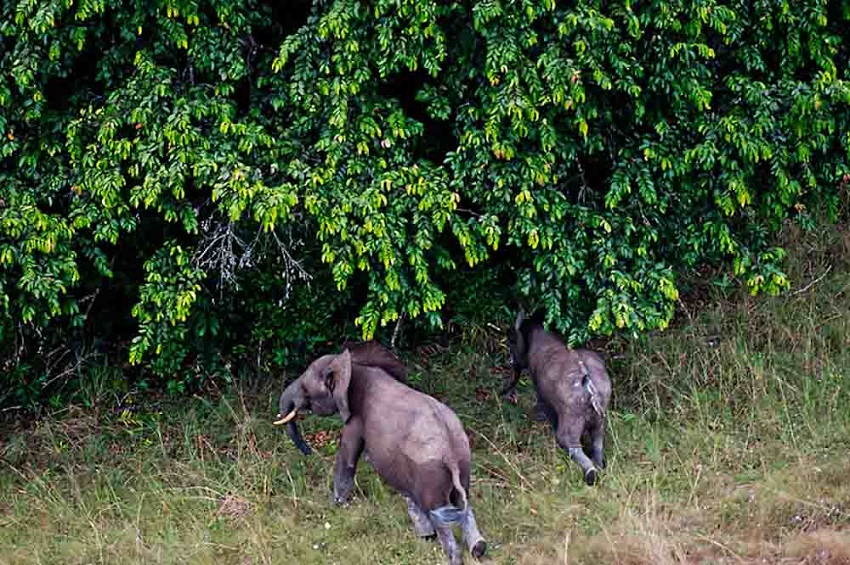
Gabon’s national park network spans nearly 11% of the country’s land, safeguarding some of Africa’s most critical biodiversity hotspots. From forest elephants to critically endangered gorillas, the parks are home to countless species, many of which are endemic. However, the certification process goes beyond protection—it seeks to harness the economic potential of these ecosystems.
Key discussions have centered on ecosystem services, which recognize the tangible benefits provided by protected areas. These include carbon sequestration, climate regulation, water resource protection, and ecotourism. By quantifying these services, Gabon can tap into new revenue streams and financing opportunities, reinforcing the financial viability of its conservation model.
A regional leader in conservation innovation
Gabon’s certification drive is not just a national endeavor—it is part of a larger African movement. As countries across the continent modernize their environmental governance frameworks to meet international commitments like the Paris Agreement and the Kunming-Montreal Global Biodiversity Framework, Gabon is positioning itself at the forefront.
The partnership between ANPN and FSC Africa marks a turning point in the management of Gabon’s protected areas. It reflects a strategic shift toward more effective, transparent, and internationally aligned conservation practices. In an era where natural resources are increasingly a geopolitical currency, Gabon is leveraging its biodiversity as a pillar of sustainable development and diplomatic influence.
The country’s vision is clear: to build a future where conservation is not just a moral imperative but a driver of economic growth, social progress, and global leadership.

Boureima Amadou
Reporter
Boureima Amadou
- Top Stories
- October 1, 2026
- 129 views
Moussa Kaka’s month-long disappearance in Niger: the widening toll on citizens, commerce and public trust
One month of silence, and a country left guessing In Niger, the pressure on independent journalism has now stretched past the one-month mark, and the consequences are rippling far beyond…

Mariama Hamani
- Top Stories
- October 1, 2026
- 40 views
Is Barrick Gold’s Loulo-Gounkoto truce a strategic blunder for Mali’s mining future
A truce built on silence: what is Barrick Gold really hiding at Loulo-Gounkoto? The suspension of the strike notice at the Loulo-Gounkoto gold complex conceals a financial pact of a…