Mariama Hamani
Gabon’s commitment to its seniors: a national day of recognition
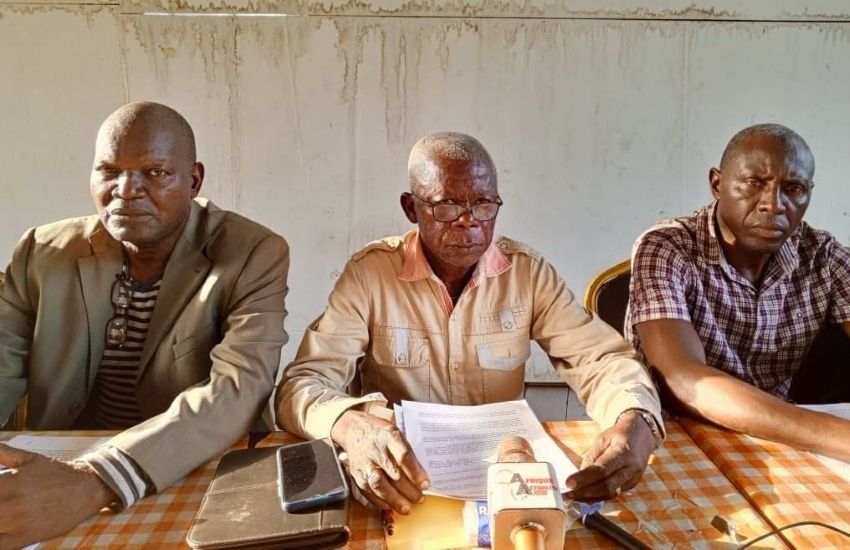
Libreville, Friday, June 26, 2026 – For countless decades, the invaluable contributions of retirees and elderly citizens have underpinned our societies. They have been the pillars of administration, the architects of institutions, ensuring state continuity and generously passing on their wisdom to successive generations. Yet, in many nations, these venerable individuals often find themselves overlooked in public policy, frequently lauded in rhetoric but seldom positioned at the forefront of national priorities.
Gabon has now taken a decisive step, officially instituting a National Day for Retirees and Elderly Persons, to be observed every October 1st. This choice firmly embeds the recognition of its seniors within its republican calendar. The decision transcends mere symbolism, revealing a profound commitment to social cohesion and robust intergenerational transmission.
Formally adopted during the Council of Ministers on June 25, 2026, this measure dedicates a specific day to a demographic whose role in national development remains immense. This initiative emerges within a global landscape where demographic aging is increasingly becoming a strategic concern for states, compelling governments to re-evaluate their approaches to experience, solidarity, and comprehensive social protection.
Upholding national memory
In adherence to Article 95 of the Constitution, the government’s adopted decree now establishes an annual day entirely devoted to retirees and the elderly. The selection of October 1st is highly significant, coinciding with the International Day of Older Persons as designated by the United Nations. This alignment ensures Gabon’s initiative resonates with a global movement dedicated to valuing its third-age population.
Beyond simply honoring those who have dedicated their lives to public service, private enterprises, local communities, and various administrations, this day serves to underscore a fundamental truth often neglected. A nation’s strength is not solely built upon its future aspirations; it is equally solidified by acknowledging and appreciating those who actively participated in its foundational construction.
In a world increasingly driven by rapid change, innovation, and immediate performance, retirees represent an exceptional human capital. They embody institutional memory, professional expertise, and vital social stability. Their collective life experiences form a strategic resource for emerging generations navigating ever-accelerating economic, technological, and cultural transformations.
A strategic social imperative
This governmental initiative also responds to a demographic reality that is progressively asserting itself across all modern societies. Population aging is no longer a phenomenon exclusive to developed economies; it is steadily becoming a central issue for African states themselves, influencing African governance and current affairs.
By officially dedicating a day to this critical issue, authorities aim to draw heightened attention to the challenges faced by older individuals. Key concerns accompanying this demographic shift include access to healthcare, living conditions, social protection, isolation, mobility, maintaining family ties, and integration into collective life.
Planned activities will bring together public administrations, local authorities, associations, community organizations, and families. These collaborative efforts will focus on awareness campaigns, recognition events, and dialogue sessions. The overarching goal is to reinforce the respect due to elders while actively fostering the transmission of knowledge and values between generations.
This comprehensive approach addresses a necessity often underestimated. In many African societies, where familial solidarity has historically served as a fundamental pillar, the rapid modernization of lifestyles can sometimes strain traditional support mechanisms for the elderly. In this context, the state emerges as an essential actor in preserving this delicate balance.
A human-centric development vision
Through this significant decision, Gabon affirms a philosophy of development that extends beyond mere infrastructure, investments, or economic growth. A nation’s modernization is equally measured by its capacity to protect its most vulnerable citizens and to honor those who have devoted their lives to serving the collective good.
The establishment of this National Day for Retirees and Elderly Persons therefore signifies a clear political will: to reposition the human element at the core of public action and to recognize that experience constitutes a national asset, as valuable as economic or natural resources.
The inaugural celebration, scheduled for October 1, 2026, will be more than a simple commemoration. It will open a vital new space for reflection on the role of seniors in contemporary Gabonese society. For a nation that respects its memory strengthens its cohesion, and a state that honors its elders more serenely prepares for its future.


 Boureima Amadou