Mariama Hamani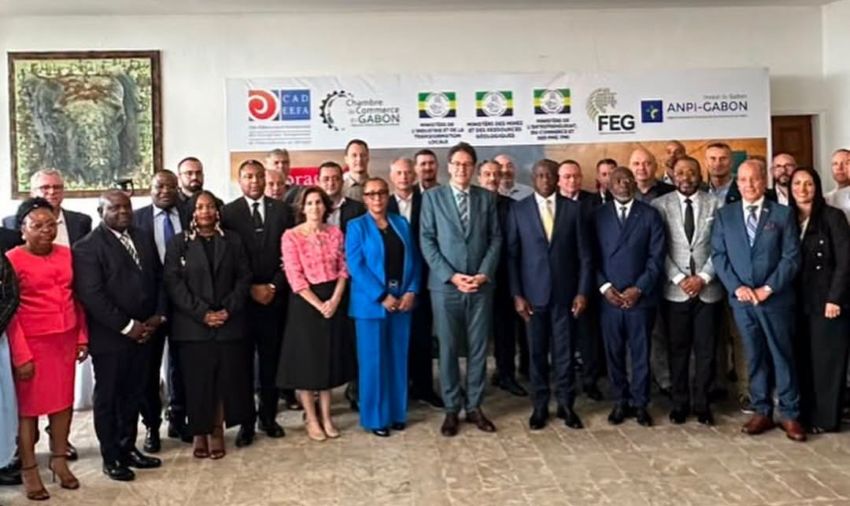
Gabon’s bold push to shift from raw exports to industrial powerhouse
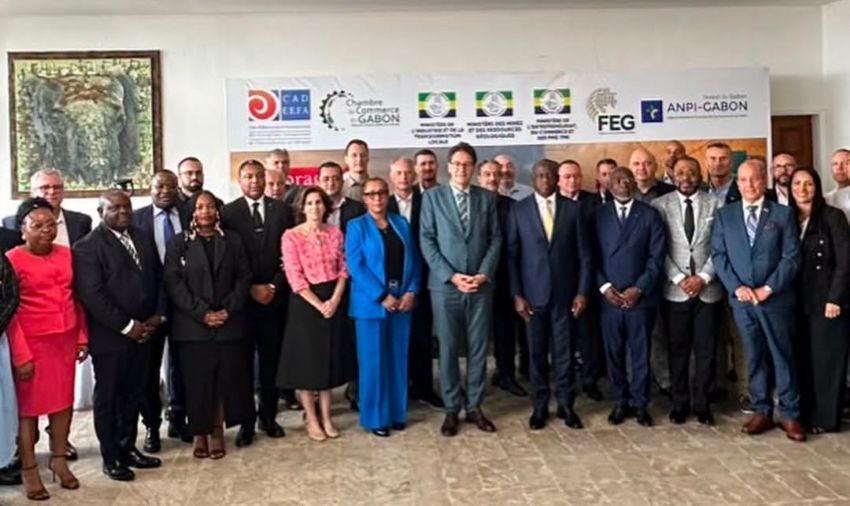
Libreville — Wednesday, June 24, 2026 — Gabon is determined to break free from its traditional role as a mere exporter of oil, manganese, and unprocessed timber. The country is now charting a new course toward industrialization, with the recent Gabon Industry Meetings in Libreville marking a pivotal moment in this transformation.
The event, inaugurated by Vice-President of the Government Hermann Immongault, brought together over two dozen European investors, public officials, industrialists, and international partners. The message was clear: Gabon is no longer content to be a supplier of raw materials. It aims to become a hub for production, local processing, and value creation.
This shift places Gabon at the forefront of a continental conversation: how can African nations convert natural wealth into industrial strength? For decades, resource-rich countries have exported commodities only to reimport finished goods at a premium, limiting economic gains and stifling job creation.
The push for industrial self-reliance
Hermann Immongault’s address left no room for doubt: industrialization is no longer optional but a strategic imperative. The government’s commitment is reflected in its ongoing reforms, including a thorough review by the High Investment Council to dismantle barriers to productive investment. Key priorities include enhancing legal security, improving the business climate, and accelerating the establishment of industrial units.
Gabon’s potential is undeniable. Its mineral reserves rank among Africa’s largest, its timber industry is globally recognized, and its energy sector remains a regional backbone. The challenge now is to weave these assets into robust industrial value chains that retain wealth within the country.
Attracting investment to build a national industry
Minister of Industry Lubin Ntoumtoume outlined a roadmap built on several pillars: regulatory modernization, administrative simplification, energy accessibility, infrastructure upgrades, and workforce development. These efforts align with a global trend where supply chains are being reconfigured to favor proximity to emerging markets.
European investors present at the meetings signaled growing interest in Gabon’s industrial potential. The emphasis on co-development over traditional extraction models was underscored by diplomats and organizers alike, who stressed the need for a unified ecosystem linking state agencies, businesses, and educational institutions.
Industrial success, they argued, demands more than infrastructure—it requires skilled human capital, innovation, and educational systems that align with market demands.
From plans to execution: Gabon’s defining test
The Gabon Industry Meetings come at a critical juncture. For years, the country has pursued reforms to reduce dependence on raw material exports. A case in point is the timber sector, where a ban on log exports has spurred local processing, generating jobs and higher-value products. Authorities now aim to replicate this model in mining, metallurgy, agro-industry, and service sectors.
Site visits to Port-Gentil, Moanda, and Greater Libreville are part of this effort to showcase existing infrastructure and ongoing projects. However, the real test lies in execution. Many African nations have launched ambitious industrial plans that stalled due to bureaucratic, logistical, or financial hurdles.
Gabon’s success hinges on its ability to translate vision into tangible results. These meetings are more than an economic gathering—they are a credibility test for a nation redefining its global economic role. If successful, Gabon could emerge as Africa’s leading example of transforming natural resources into industrial might. If not, it risks remaining trapped in the same cycle that has long constrained resource-rich economies.

 Boureima Amadou