
 Mariama Hamani
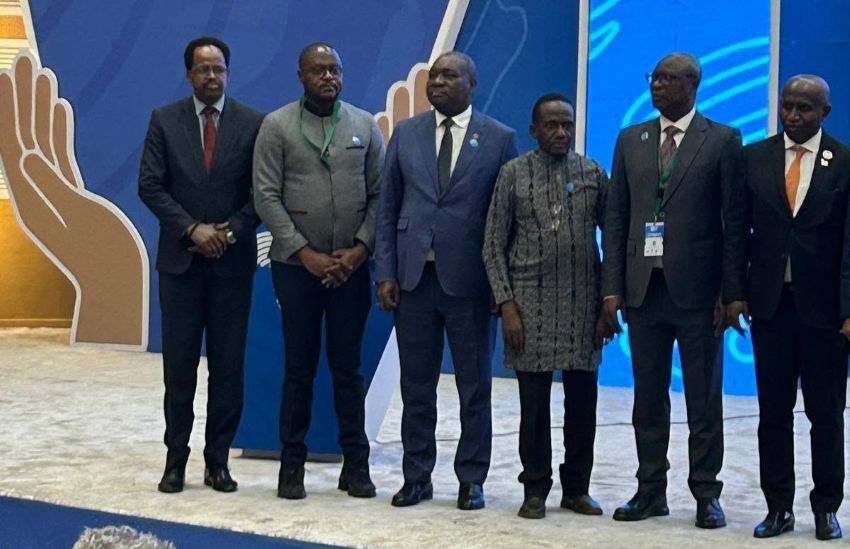
Libreville, November 2026 — Gabon’s bid to host the 2027 African Union summit is gaining decisive momentum as political allies rally behind Libreville’s historic diplomatic push. The Front Démocratique Socialiste (FDS), led by Anges Kevin Nzigou, has transformed this ambition into a nationwide political priority, forging alliances across Africa’s political landscape.
The campaign extends beyond traditional diplomacy, encompassing strategic political networks mobilized to position Gabon at the center of continental decision-making. Nzigou’s recent diplomatic mission to Addis Ababa during the African Political Parties Summit (APPS 2026) marked a turning point, with high-level meetings solidifying Gabon’s bid among key African institutions.
During the summit’s closed-door sessions focused on the African Political Parties Initiative (APPI) and Agenda 2040, FDS representatives engaged directly with continental leaders. Nzigou secured pivotal meetings with Dr. Fateh Boutbig, President of the Pan-African Parliament, and Ambassador Lilly Stella Ngyema Ndong, Gabon’s Permanent Representative to the African Union. These discussions underscored the depth of Libreville’s diplomatic engagement.
From presidential vision to continental strategy
This political mobilization aligns with President Brice Clotaire Oligui Nguema’s long-standing ambition, first articulated in January 2025. The proposal to host the summit carries historical significance, coinciding with the 50th anniversary of the 1977 OAU meeting in Libreville.
The timeline reflects deliberate strategy: July 2025 in Malabo saw the AU’s July 2027 coordination meeting proposed as Gabon’s host candidate. By May 2026, during the inauguration of the Omar Bongo Ondimba Congress Palace, the president renewed his commitment. The bid was officially launched in Nairobi the following month, followed by August’s high-level advocacy meeting with Congolese counterpart Félix Tshisekedi.
The 2027 target represents more than hosting a summit—it symbolizes Gabon’s potential to restore its diplomatic influence while demonstrating capacity to organize a continental event of this magnitude. The bid combines historical resonance with contemporary institutional credibility.
Political unity as a strategic asset
The FDS’s involvement elevates this campaign from presidential initiative to cause nationale. By participating in continental party forums, the party is positioning Gabon’s bid as a unifying national priority transcending political divisions. Vice-presidents Jean-Pierre Antchoue and Deidre Nehemy Moukandza contributed to discussions on the APPI framework, reinforcing the bid’s institutional backing.
Yet challenges remain. Competing bids from Liberia and Zimbabwe persist, prompting the AU to request negotiations toward a consensus candidate. While political alliances strengthen Gabon’s position, ultimate success depends on institutional negotiations among member states.
For Nzigou and the FDS, the effort represents dual progress: securing national diplomatic victory while asserting Gabon’s role in shaping Africa’s political future. For Libreville, the stakes are existential—transforming a campaign pledge into continental trust requires demonstrating tangible capacity to host an event of this scale.
The 2027 summit bid thus emerges as Gabon’s opportunity to reclaim its place in African diplomacy. But this milestone demands persistent political will and a unified continental approach—where nostalgia for 1977 must give way to concrete institutional readiness.


 Boureima Amadou




