Boureima Amadou
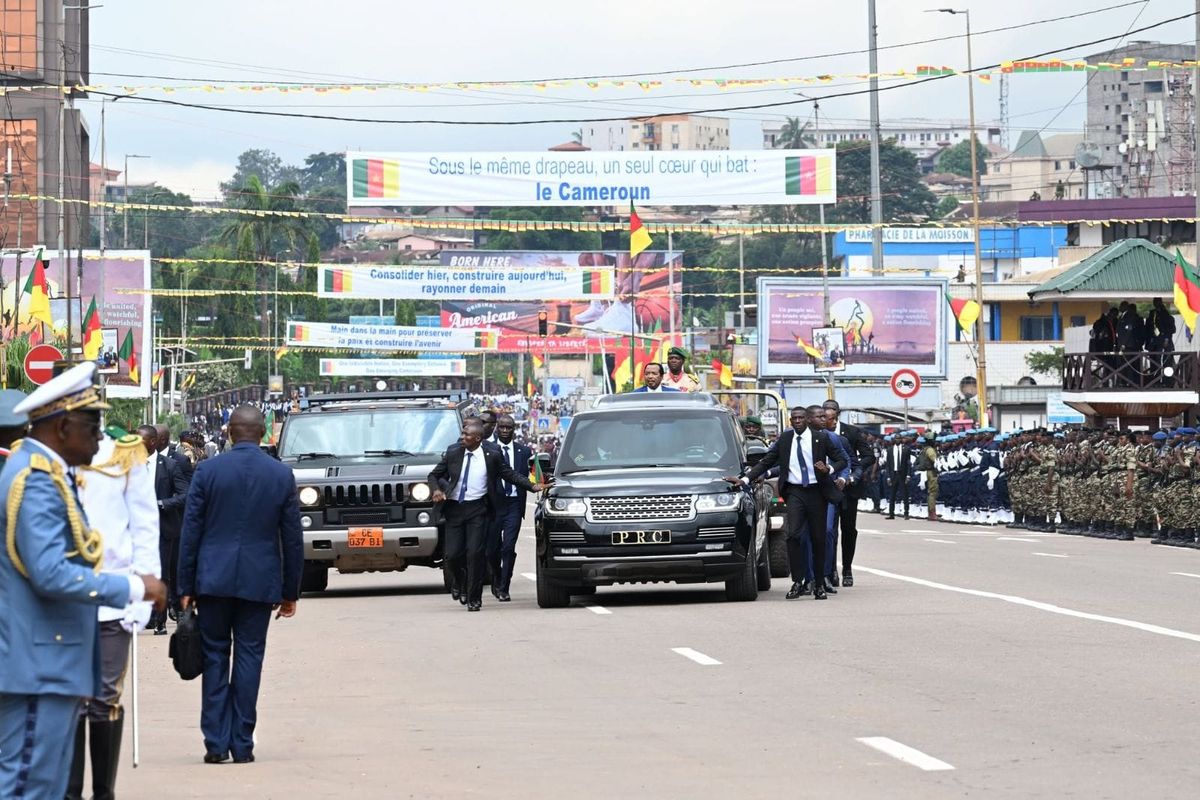
The Camerounian political landscape stands at a decisive turning point as President Paul Biya, in power since 1982 at the age of 93, remains largely absent from public view. This prolonged absence has intensified scrutiny over who truly wields executive authority in the country.
Constitutional gaps and institutional uncertainty
While the constitution mandates delegation of signing powers to the Secretary-General of the Presidency, Ferdinand Ngoh Ngoh, gaps in clarity persist. The government officially continues operations, yet the absence of a designated vice-president—despite a constitutional amendment reinstating the position in April—has fueled speculation over succession planning and institutional control.
A shifting power balance behind closed doors
The vacuum at the top has created an environment where influence is increasingly concentrated within the presidential inner circle. Behind-the-scenes maneuvering has raised concerns among analysts and opposition figures alike, who warn that prolonged ambiguity could undermine governance and exacerbate existing security challenges.
Security pressures and institutional paralysis
Cameroun faces mounting internal challenges. The ongoing crisis in the Anglophone regions and continued threats from Boko Haram have intensified pressure on state institutions. Observers fear that without decisive leadership, critical decisions may be delayed or mired in bureaucratic uncertainty, further straining an already tense national climate.
What lies ahead: leadership or paralysis?
With no clear successor or designated authority to step into a leadership role, the nation faces a critical juncture. The question remains: will Cameroun witness a coordinated transition, or will institutional paralysis deepen in the absence of firm direction? The coming months will reveal whether the country can navigate this uncertain period without destabilization.


 Mariama Hamani